
Last updated August 27, 2026
Free in-home measure and quote - PGT, CGI and CWS impact lines compared on your actual openings, style by style
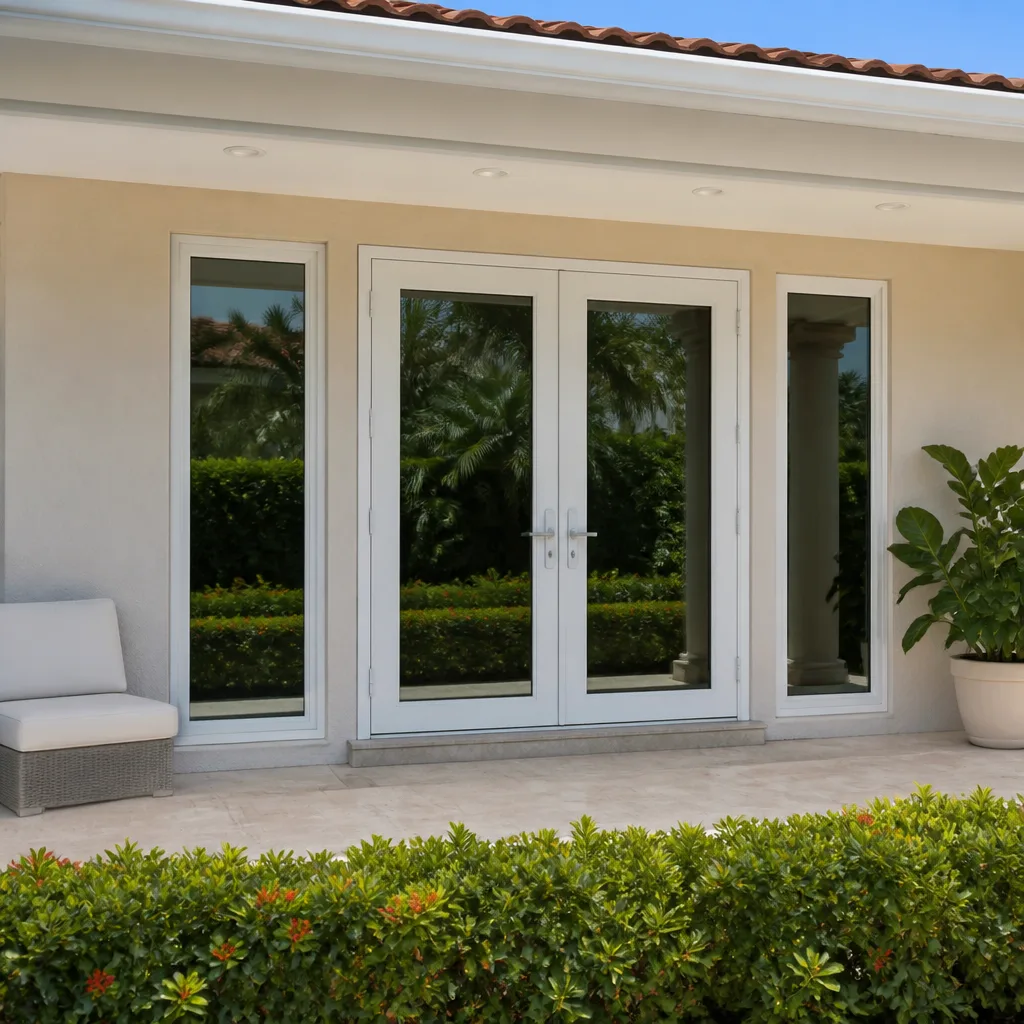
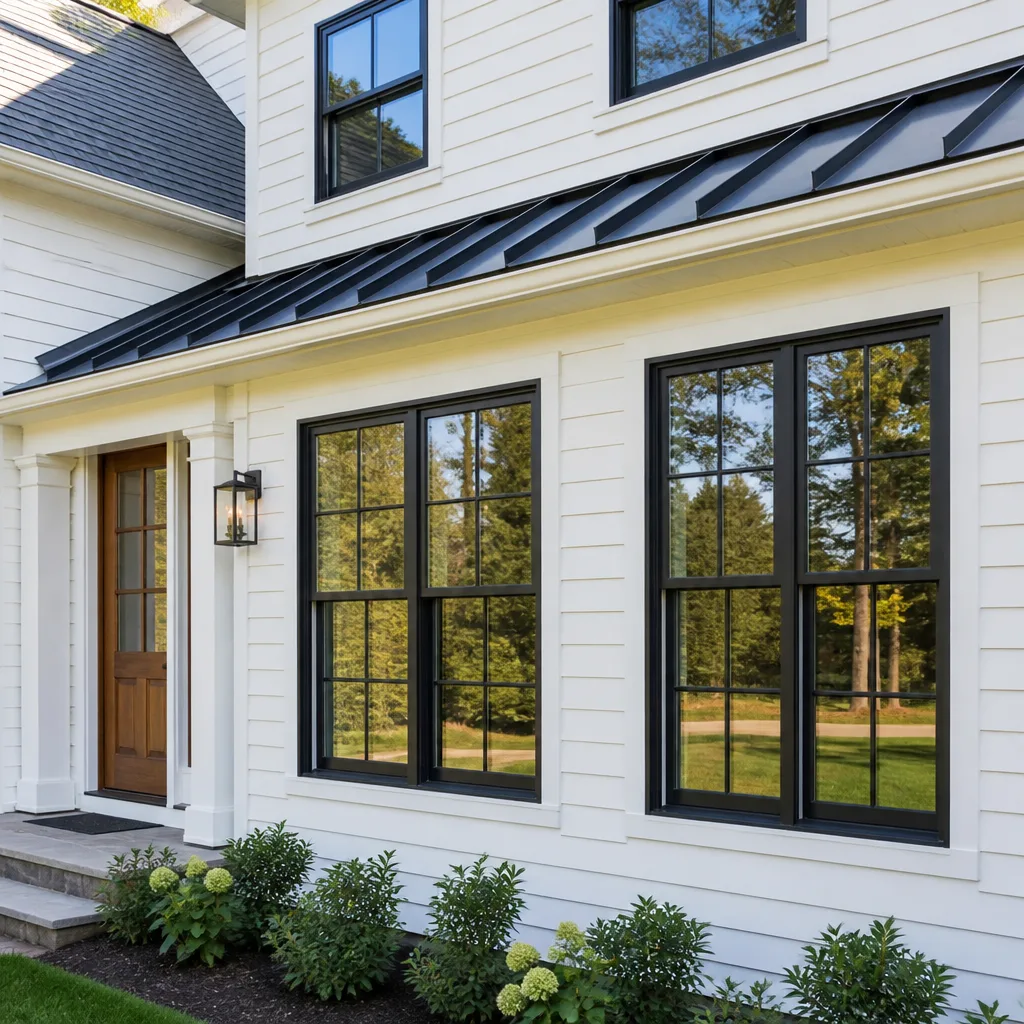
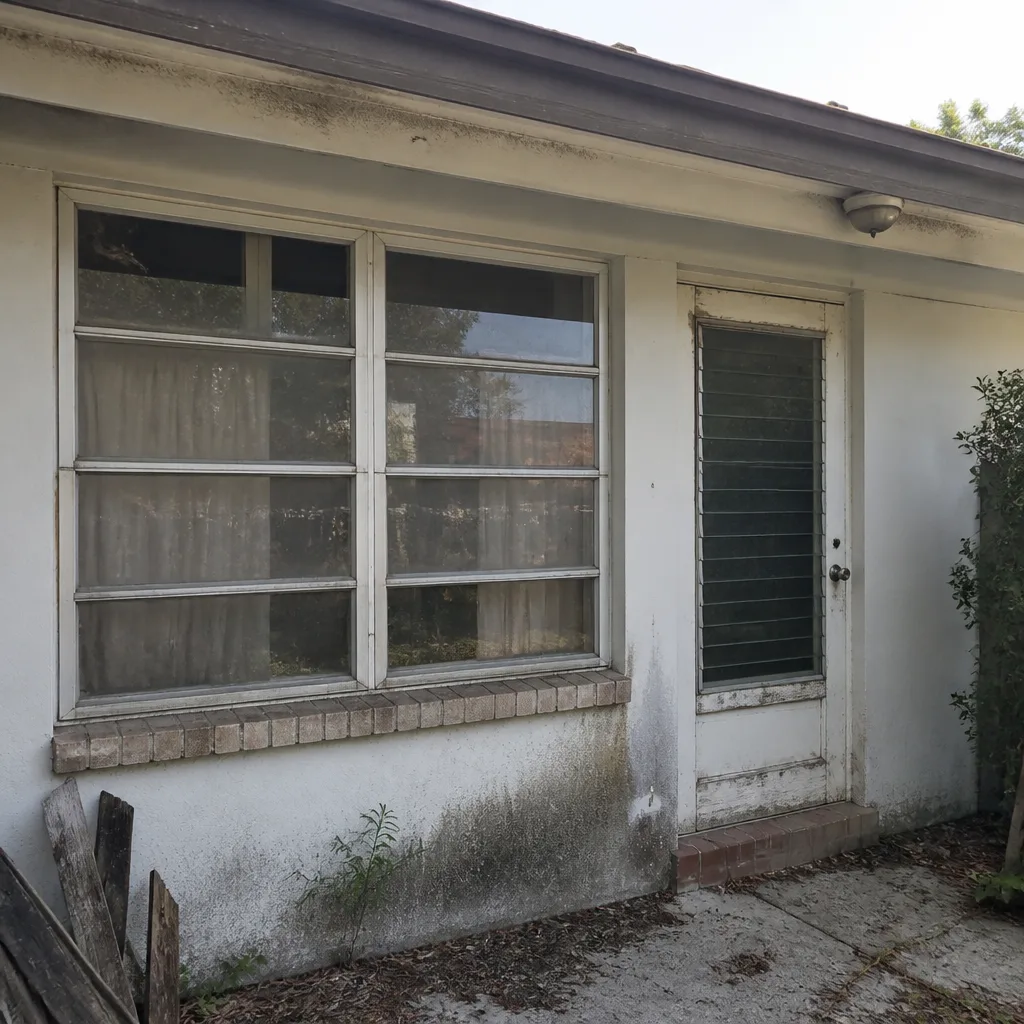 Before
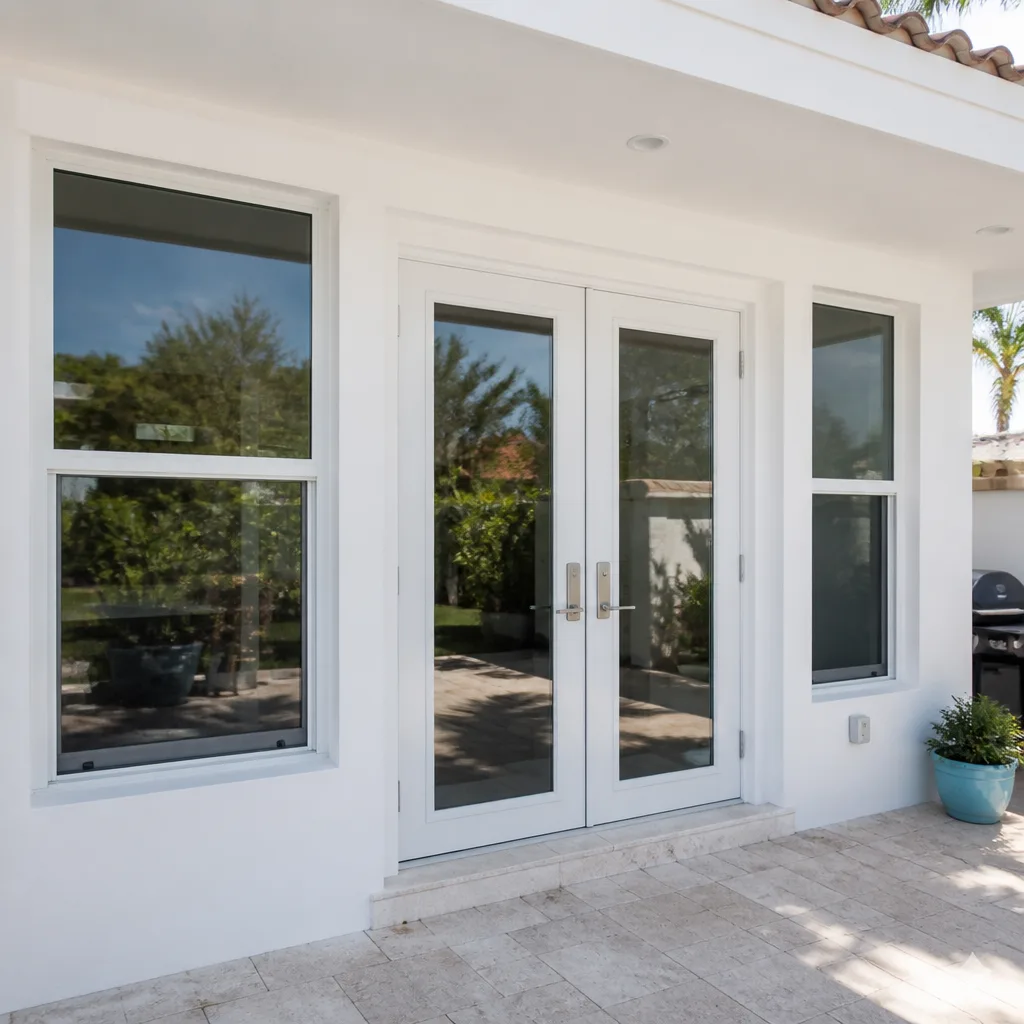 After
After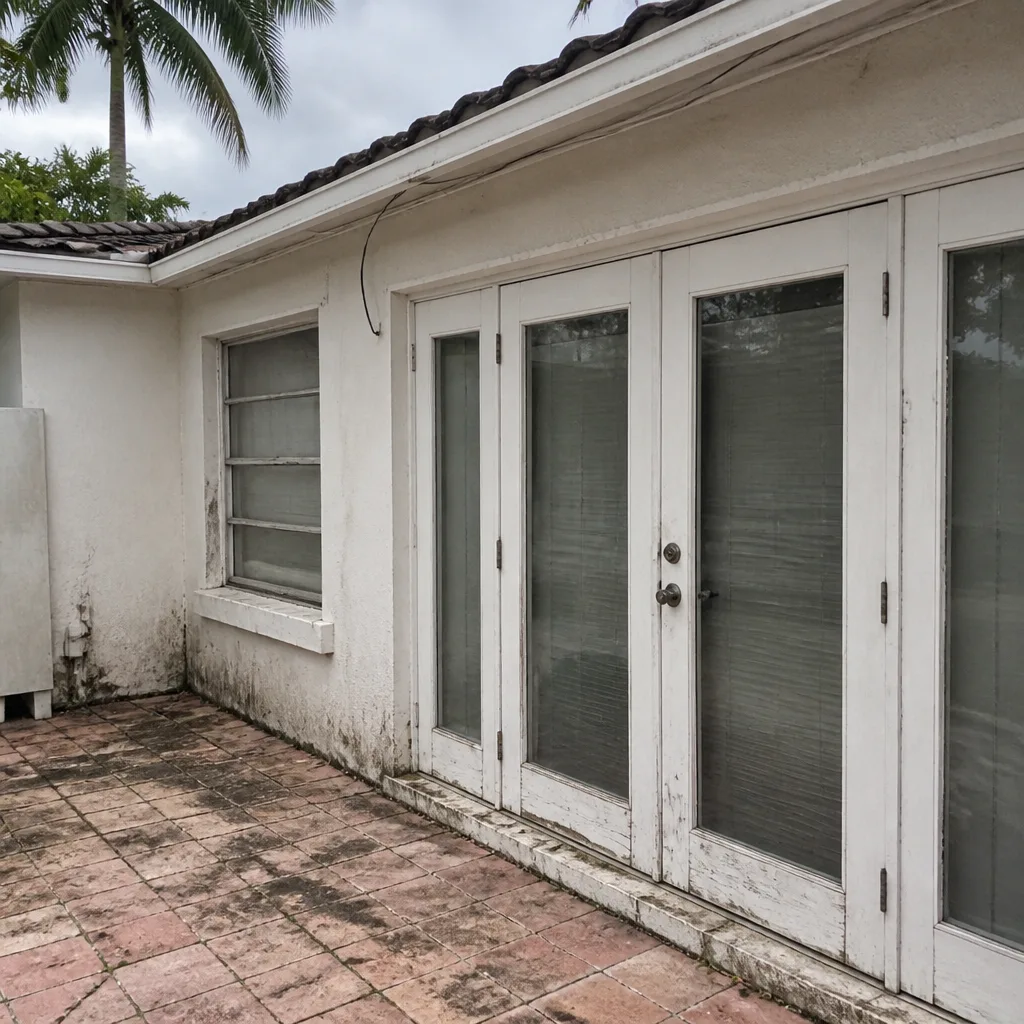 Before
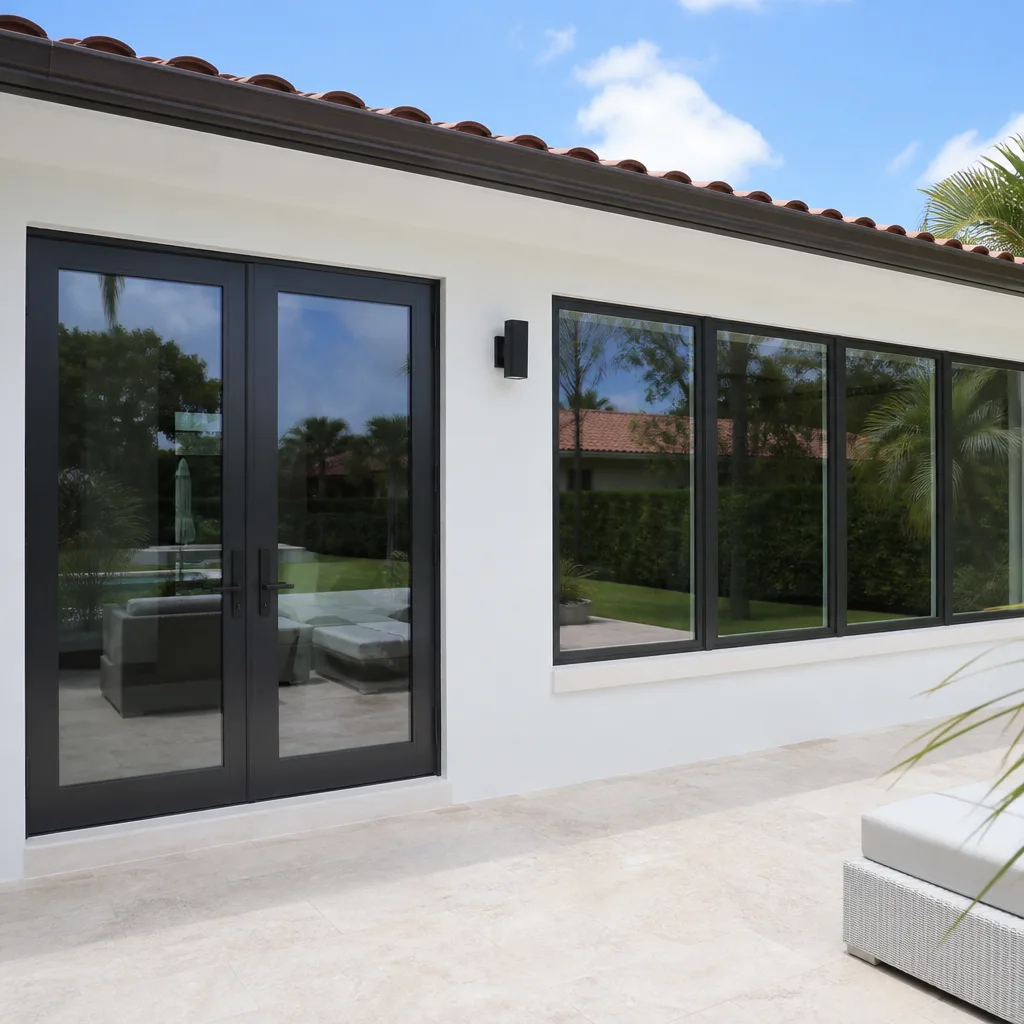 After
After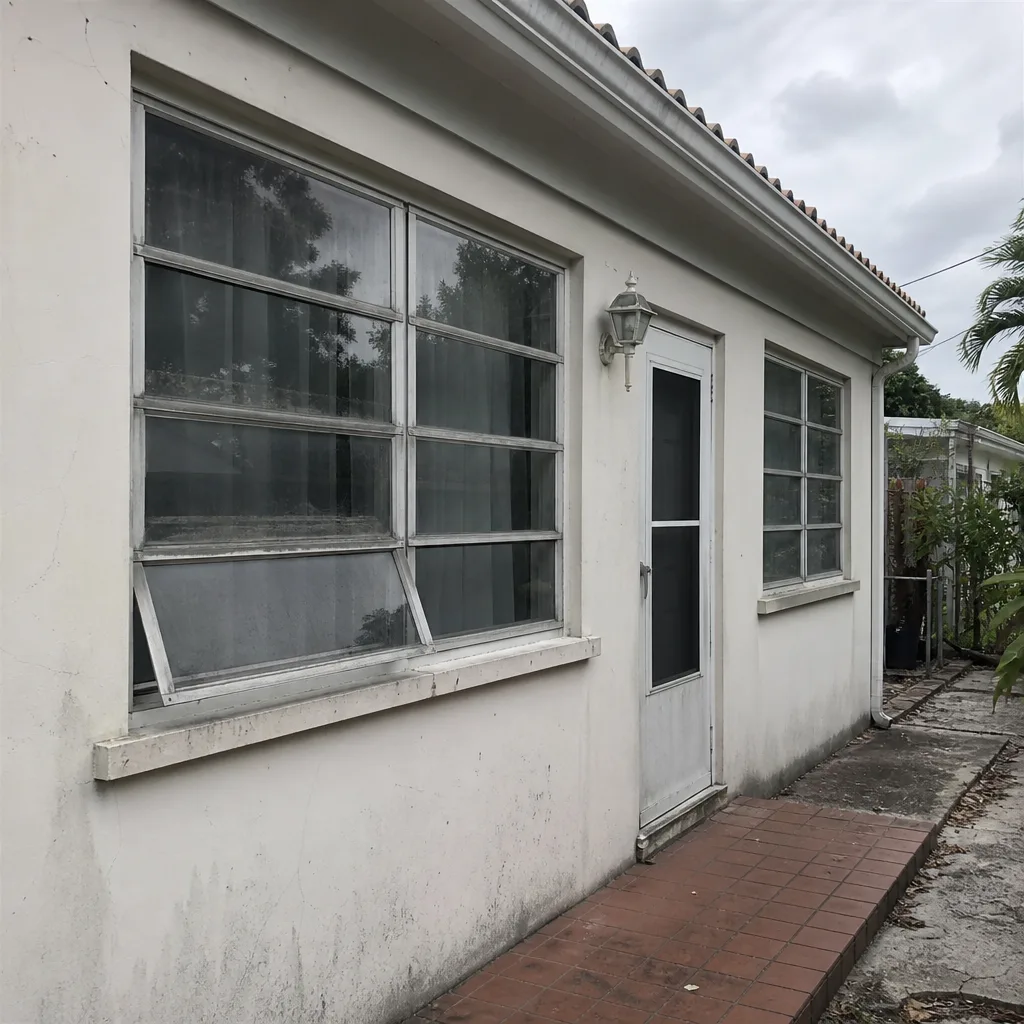 Before
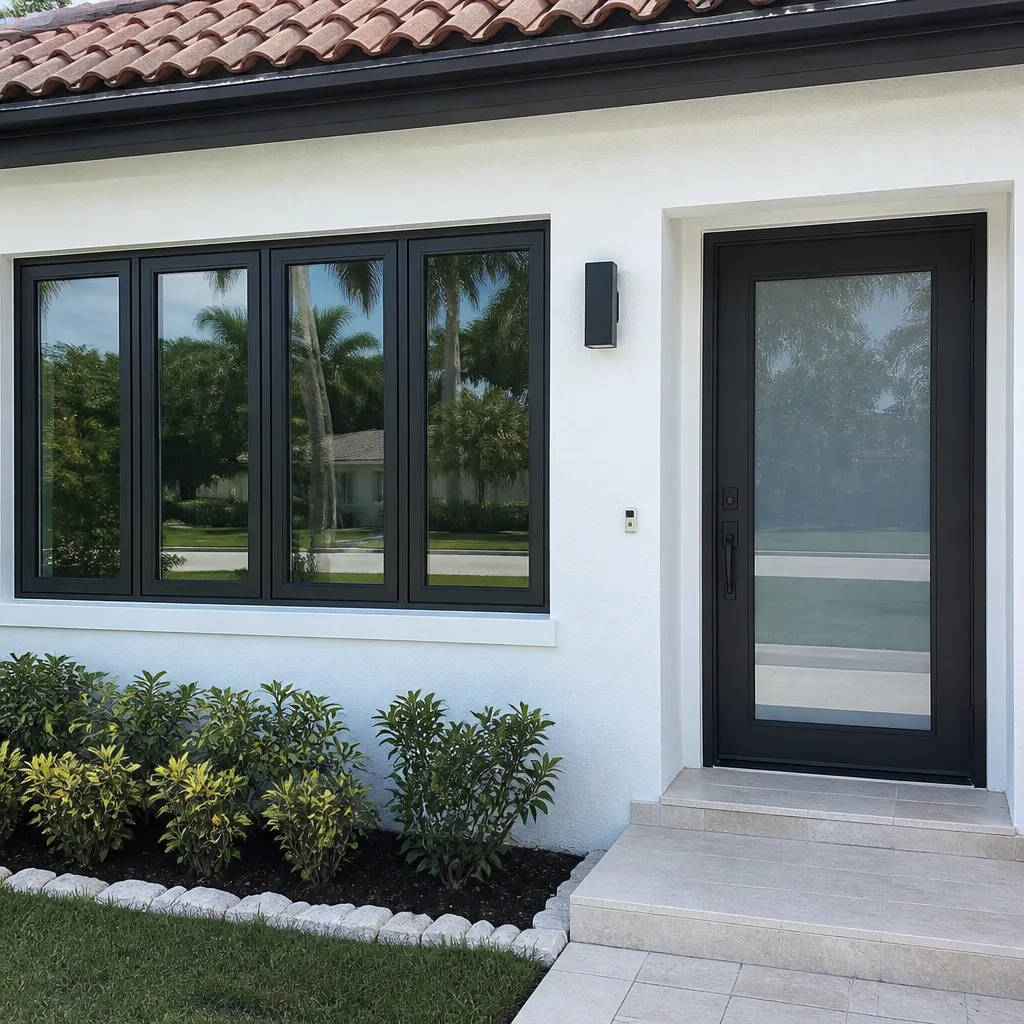 After
AfterWindows & Doors Permits, Codes & Inspections in FL: What You Need to Know
Here’s the counterintuitive truth most Florida homeowners learn too late: skipping a window or door permit isn’t just a fine risk. It becomes a recorded lien on your title that can kill a home sale years later. In Miami-Dade County, the building department actively catches unpermitted work through satellite aerial comparisons during re-roofing applications. If the roofline photo from 2019 shows three windows on the west elevation and today’s photo shows five, you’ll be getting a letter. This guide walks through the entire permitting process for windows and doors in Florida, with a specific focus on the rules that actually govern Miami Springs and the rest of Miami-Dade.
Quick Answer
Florida has two separate permitting tracks for windows and doors: the standard wind zone used in most of the state, and the High Velocity Hurricane Zone (HVHZ) that governs Miami-Dade and Broward counties. In Miami-Dade, every window and door replacement requires a permit, the product must carry a Miami-Dade Notice of Acceptance (NOA), and the work must pass both a rough-opening inspection and a final inspection. A state-level Florida Product Approval alone will not satisfy a Miami-Dade inspector.
Table of Contents
- The Two Tracks: Standard Wind Zone vs. HVHZ
- Florida Product Approval vs. Miami-Dade Notice of Acceptance
- Miami-Dade Submittal Requirements: A Plain-Language Walkthrough
- What the Inspector Is Actually Checking at Rough-Opening and Final
- How the 2023 Florida Building Code 7th Edition Changed Rough Opening Tolerances
- What If You Bought a House with Unpermitted Windows?
- Miami Springs-Specific Considerations
- Common Mistakes to Avoid
- When to Call a Professional
The Two Tracks: Standard Wind Zone vs. HVHZ
Florida’s building code splits the state into wind zones based on sustained wind speed risk. Most of the state falls under the standard wind zone governed by the Florida Building Code (FBC) provisions in Chapter 16 for wind loads. Miami-Dade and Broward counties, however, operate under the stricter High Velocity Hurricane Zone requirements in Chapter 44 and the separate Miami-Dade County Code. These are not cosmetic differences. They change what products you can install, how they must be anchored, what documentation the product needs, and what the inspector will look for during the walkthrough.
In the standard wind zone, a window in Orlando or Tampa is typically rated to withstand a design pressure calculated from the wind speed map for that area. The permit office accepts a Florida Product Approval (FPA) showing the product meets the FBC for the applicable wind zone. The inspection focuses on verifying the product matches the approval documents and that the installation follows the manufacturer’s published instructions.
Miami-Dade operates on a different set of assumptions. The HVHZ code originated after Hurricane Andrew exposed systemic failures in how windows and doors were designed, tested, and attached in South Florida. The county developed its own testing protocols that are widely considered the strictest in the United States. Products must pass missile impact testing with a nine-pound 2×4 launched at 34 miles per hour, followed by thousands of positive and negative pressure cycles. The county maintains its own approval database separate from the state’s.
What this means for a homeowner in Miami Springs is straightforward: if you’re reading a guide written for Jacksonville or Tampa or even Naples, parts of it will be wrong for your project. The permitting path, the documentation requirements, and the inspection checklist are all different in HVHZ territory. In our experience, this is where homeowners get into disputes with contractors who do the work but never pull the right permit or submit the right product documentation. The work gets done, the check gets cashed, and six months later the homeowner gets a notice from the county.
Florida Product Approval vs. Miami-Dade Notice of Acceptance: Why Only an NOA Satisfies HVHZ Inspectors
A Florida Product Approval confirms that a window or door has been tested and certified to meet the structural and wind load requirements of the Florida Building Code. The approval is issued by the Florida Department of Business and Professional Regulation under Rule 61G20-3. A Miami-Dade Notice of Acceptance is a separate document issued exclusively by the Miami-Dade County Building Department, certifying that the product has passed the additional HVHZ testing protocols that exceed state requirements.
Here’s the distinction that matters for your project: a product with only an FPA cannot be legally installed in a residential structure in Miami-Dade County, even if the FPA lists a high wind speed rating. The HVHZ requires that the product carry a valid NOA that matches the exact product line, model, size range, and design pressure rating being installed. The NOA is product-specific, not brand-specific or product-category-specific. A PGT window line with an NOA does not mean every PGT window carries an NOA. The inspector will check the NOA number against the product documentation submitted with the permit.
An NOA includes the testing data, the approved installation method, the required anchor type and spacing, the approved structural substrate, and the allowable frame materials. The inspector verifies that the installation actually matches what the NOA specifies. If the NOA calls for #12 pan-head anchors at six inches on center and the installer used #10 flat-heads at eight inches on center, the installation fails.
The practical consequence for homeowners is that you need to verify the exact product being quoted carries a current NOA before you sign anything. The NOA database is public and searchable online through the Miami-Dade County website. You can enter the NOA number and check the product line, the approved configurations, and the expiration date. Some NOAs lapse and get renewed; if the contractor is quoting a discontinued product line, the NOA may no longer be valid. This is one of the most common reasons a window or door inspection in Miami-Dade fails at the paperwork stage, before the inspector even looks at the installation.
For homeowners in Miami Springs doing a window replacement in Miami Springs, the NOA requirement is non-negotiable. If you’re considering impact-rated products from PGT or CGI, both brands maintain current NOA coverage for many of their product lines, but you should still verify the specific model and size.
Miami-Dade Submittal Requirements: A Plain-Language Walkthrough
The Miami-Dade Building Department has one of the most detailed submittal checklists for residential fenestration replacement in the state. The process is document-heavy, and the county reviews submittals twice: first for administrative completeness, then for technical code compliance. Here’s the sequence as it applies to a typical window or door replacement project.
- Product Selection and NOA Verification. Before anything gets submitted, you need to know the exact products you’re installing. Each product must have a current NOA. The NOA number goes on the permit application and the plans.
- Shop Drawings or Fenestration Layout Plan. You need a floor plan or elevation drawing showing every opening being modified, labeled with the product type, the NOA number, the design pressure rating, and the anchor schedule. For simple replacements with no structural changes, a fenestration layout plan from the manufacturer or contractor is usually sufficient.
- Product Approval Documents. Each NOA referenced on the plans must be included in the submittal package. The reviewer checks that the product sizes on the plans fall within the approved size ranges on the NOA.
- Wind Load Calculations. For most residential projects, the wind load is determined by the ASCE 7 map adopted by the FBC, and the product must meet or exceed the design pressure for the specific location and building height. If the structure is within a wind-borne debris region (all of Miami-Dade is), the product must also be impact-rated.
- Permit Application and Fees. The application is filed online through the county’s portal. Fees are based on the valuation of the work. The county uses a minimum valuation schedule, so your project’s valuation cannot be artificially lowered to reduce the permit fee.
- Plan Review. The county assigns the submittal to a plans examiner. Review times vary, but simple window and door replacements in residential structures typically clear review within a few weeks. If the examiner issues comments, the contractor must respond to every comment and resubmit.
- Permit Issuance. Once the drawings are approved and fees are paid, the permit is issued. The approved plans must be on-site during all inspections.
The permit is not a formality. It’s the document that ties the product documentation, the installation method, the anchor schedule, and the inspection checklist together. When we handle a window installation in Miami Springs, the permit package is part of what we’re installing. If the inspector asks for the NOA documents, we’re holding them.
What the Inspector Is Actually Checking at Rough-Opening and Final
Most homeowners picture the inspector glancing at the new window, nodding, and signing the card. Miami-Dade inspections are not that. The inspector is working through a specific checklist tied to the approved plans and the NOA. Here’s what gets checked at each stage.
Rough-Opening Inspection. This happens before the new window or door goes in. The inspector checks the condition and dimensions of the rough opening, the substrate the anchors will embed into, the condition of the framing, and whether any structural damage is present that would prohibit proper anchoring. For masonry walls common in Miami Springs, the inspector verifies the wall construction matches what the NOA assumes, typically concrete block with full grouted cells at anchor locations. For wood-frame construction, the inspector checks that the framing is sound and that the header configuration supports the load. If the rough opening is oversized beyond the tolerance the NOA allows, the inspector can require shimming, packing, or reframing before the product is set.
Buck Attachment. In many Miami-Dade installations, especially replacement of original aluminum windows in older Miami Springs homes, a buck frame must be installed to receive the new window. The inspector checks how the buck is attached to the surrounding structure. The attachment method and fastener spacing must match the approved details on the plans. Undersized fasteners, missing anchor points, or a buck that’s not plumb and square will fail.
Flashing and Weatherproofing. The inspector checks that the perimeter of the rough opening is properly flashed and sealed before the window is set, and that the sill is properly sloped or pan-flashed. Miami Springs gets heavy seasonal rain, and leaks around window frames are among the most common long-term defects inspectors see.
Final Inspection. Once the product is installed and trimmed, the inspector returns to verify the completed installation. The checklist includes anchor type and spacing (often visually checked where accessible), operation of the window or door, latching and locking hardware on impact-rated products, sealant continuity around the perimeter, and the presence of the permanent product labeling required by the HVHZ code. The inspector also verifies that the installed product matches the permit documents and the NOA. If the product label is removed or painted over, the inspection can fail on documentation grounds alone.
The inspection is not a rubber stamp, and it shouldn’t be treated as one. It’s the county’s verification that the product on your wall is the product that was tested, approved, and permitted for that opening.
How the 2023 Florida Building Code 7th Edition Changed Rough Opening Tolerances
The 2023 Florida Building Code 7th Edition, which took effect December 31, 2023, tightened the allowable tolerances for rough openings in HVHZ residential fenestration. The change matters in older Miami Springs homes because original framing is rarely square, true, and dimensioned to modern tolerances.
Under the prior code edition, the allowable gap between the rough opening and the window frame was generous enough that installers could accommodate typical framing drift in 1950s and 1960s masonry and wood-frame construction without corrective work. The 7th Edition reduced the allowable tolerance and clarified the requirement that the rough opening be verified against the product’s structural calculations before installation proceeds. If the rough opening is out of tolerance, the installer must correct it with code-compliant methods (shimming, packing, or structural repair), not by using extra sealant to fill the gap.
For Miami Springs specifically, this change affects older homes in the neighborhoods east of Curtiss Parkway and south of Morningside Drive, where original wood-frame construction has settled over decades. A frame that was plumb in 1958 is not necessarily plumb in 2026. The practical consequence is that replacement window projects in these older homes take more prep work, and the rough-opening inspection has become a more meaningful checkpoint than it used to be.
The change also affects replacement doors. Sliding glass door rough openings in settled frames can be out of level by a quarter inch or more. The 7th Edition tolerance language requires that the opening be verified level and square before the door is set, and that the installation method account for any remaining deviation within the allowed range.
What this means for your project is that the installer needs to be measuring, checking, and documenting the rough opening condition before the product goes in. A contractor who quotes a flat per-window rate without knowing the rough opening condition is guessing. In our experience, the older the home, the more likely it is that some corrective work will be required.
What If You Bought a House with Unpermitted Windows?
This situation is more common in Miami Springs than most homeowners realize. A previous owner replaces the windows without a permit, the work looks fine, the sale closes, and five years later the current owner discovers the problem during a re-roofing permit application, a refinance appraisal, or a pre-listing inspection. The Miami-Dade property record does not list a permit for the fenestration work, and the aerial photo comparisons the county uses show a discrepancy.
Your exposure breaks into three categories. First, there’s the code compliance issue: the windows may or may not meet current HVHZ requirements, and you have no documentation that they do. Second, there’s the title issue: unpermitted work can be flagged as a defect in a real estate transaction, and some lenders will refuse to finance a home with known unpermitted improvements. Third, there’s the legal exposure: if an unpermitted window fails during a storm and causes damage, your insurance company may deny the claim on the grounds that the work was not permitted and inspected.
The correction sequence matters. Do not start by calling the building department and confessing. The first step is to determine what you actually have. Find the window labels, identify the manufacturer and product line, and check whether the products carry a current or expired NOA. Second, have a qualified contractor assess whether the installation appears to meet current code. If the products are NOA-listed and the installation looks sound, the path forward is usually a “permit after the fact” or “as-built” permit through the Miami-Dade Building Department, which involves submitting the product documentation, describing the existing installation, and scheduling an inspection. If the products do not carry an NOA or the installation is deficient, the windows must be replaced with code-compliant products under a new permit.
The homeowner who bought the house is generally not criminally liable for the previous owner’s failure to permit, but the correction burden falls on the current owner. This is one of the reasons we recommend that anyone buying a Miami Springs home with replacement windows have the fenestration work verified during the inspection period. The Winslow Windows & Doors home page has more information on what a fenestration inspection covers.
Miami Springs-Specific Considerations
Miami Springs sits entirely within the HVHZ, so every window and door replacement in the city follows the Miami-Dade track described above. But the city has its own characteristics that shape how fenestration projects play out.
The housing stock in Miami Springs is predominantly mid-century, with a large share of homes built between the 1940s and the 1970s. Original wood windows, louvered jalousie windows, and single-pane aluminum frames are common. These original products typically do not meet any modern wind or energy standard, and many have no NOA coverage because they’ve been out of production for decades. Replacing them is not optional for safety in a hurricane; it’s a deferred correction. The question is when, not if.
The city’s tree canopy is another factor. Miami Springs has a dense live-oak canopy throughout neighborhoods like the Country Club Estates area and along Curtiss Parkway. That canopy is part of the city’s character, but it also means windows and doors face a higher debris impact risk during a storm than openings in a clearcut subdivision. Impact-rated products are not just a code requirement; they’re a practical necessity here. Brands like PGT, CGI, and Therma-Tru all maintain NOA coverage for the impact-rated product lines commonly installed in Miami Springs.
Permitting for window and door work in Miami Springs goes through the Miami-Dade County Building Department’s Miami Springs district office and follows the county submittal and inspection process described above. The city does not maintain a separate building code for fenestration. The approval path is county-level, but the inspector dispatched to your property is assigned based on the district office, and inspection availability is typically better than in denser parts of the county.
Because Miami Springs is a small residential city with an active community culture, unpermitted work gets noticed. Neighbors talk. The satellite aerial comparison the county uses is a real enforcement tool, and a re-roofing permit application in Miami Springs has, in our experience, led to county inquiries about window replacement work on the same property. If you’re doing a roof and windows as part of the same improvement, the permits should reference each other.
Common Mistakes to Avoid
- Assuming a Florida Product Approval is enough. In Miami-Dade, it isn’t. If the product doesn’t have a current NOA, the permit application will be rejected or the inspection will fail. Verify the NOA before you pay for anything.
- Hiring an installer who suggests skipping the permit to save time or money. The savings is small relative to the risk. Unpermitted window work gets discovered, and the correction path is more expensive than doing it right the first time.
- Painting over or removing the permanent product label on the window frame. The HVHZ inspector verifies that label at final inspection. If it’s gone, the inspection fails and you’re ordering replacement labels from the manufacturer.
- Settling for a vague quote on an older Miami Springs home. Pre-1970s homes often have rough openings out of tolerance under the 2023 code. A flat per-window quote without a rough-opening check is a guess. Get the openings measured before the quote.
- Mixing product lines that don’t all carry NOAs. A quote that pairs an NOA-listed impact window with a non-NOA sidelight or transom will create a permitting problem. Every component in the assembly counts.
- Waiting to correct unpermitted windows until you’re selling the house. Once a buyer’s lender flags the issue, you’re negotiating under pressure. Correcting it now costs less than the sale-price concession you’ll make later.
- Assuming the contractor pulled the permit without verifying it. The permit number should be posted on the job site and searchable in the county system. If the contractor won’t provide it, ask again before the work starts.
When to Call a Professional
Some homeowners can replace a faucet or patch drywall, but window and door replacement in Miami-Dade is a different category of work. If your project involves impact-rated products, an HVHZ permit, an NOA-matched installation, and a rough-opening inspection, this is licensed-contractor territory. The consequences of getting the anchor schedule wrong are structural, not cosmetic. If you’re dealing with settled framing in an older Miami Springs home, a buck frame installation in a masonry wall, or a sliding glass door that’s out of level, the problems compound quickly when you’re mid-installation and the inspector is scheduled for Tuesday. Winslow Windows & Doors offers free estimates in Miami Springs. Call (239) 310-4121 to schedule yours. Ed Winslow will review your project, check the openings, and give you an honest read on what’s required before any work begins.
Frequently Asked Questions
Yes. In Florida, window and door replacement requires a building permit. In Miami-Dade County, the permit must be pulled through the Miami-Dade Building Department, and the product must carry a current Miami-Dade Notice of Acceptance. There is no exception for “like-for-like” replacement in the HVHZ. Call (239) 310-4121 if you’re not sure whether your project needs a permit and we’ll walk you through it.
A Florida Product Approval certifies the product meets the Florida Building Code for the standard wind zone. A Miami-Dade Notice of Acceptance certifies that the product has passed the additional missile-impact and pressure-cycling tests required by the High Velocity Hurricane Zone code. In Miami-Dade County, only an NOA satisfies the permit and inspection requirements. The NOA number must appear on your permit package and be verified by the inspector at final.
Permit fees in Miami-Dade are calculated from the valuation of the work using the county’s minimum valuation schedule. For a typical residential window and door replacement project, the fee is a small fraction of the total project cost, but the exact amount depends on the number of openings and the declared valuation. The permit fee is never the expensive part of the project; the product and installation cost is. For a line-item quote that includes all permit and inspection costs, call (239) 310-4121.
You can, but the unpermitted work will likely surface during the buyer’s due diligence or the lender’s review, and you’ll take the hit on price or be forced to correct it before closing. The better path is to correct the permit issue before listing, either through an as-built permit if the windows are NOA-compliant or through replacement if they’re not. The cost of correcting it now is almost always less than the sale-price concession.
If a rough-opening or final inspection fails, the inspector records the specific deficiency on the inspection report. Your contractor must correct the issue and schedule a re-inspection. Common failures include missing NOA documentation on site, anchor spacing that doesn’t match the approved details, missing or painted-over product labels, and rough openings out of tolerance. Re-inspections typically require an additional fee. The fix is usually straightforward when the contractor knows the code.
Yes. Miami Springs is within the High Velocity Hurricane Zone and the wind-borne debris region, so any new or replacement window and door must be impact-rated and carry a Miami-Dade NOA. There is no option to install non-impact products in a new installation, even if the existing windows are not impact-rated. For a free estimate on impact windows in Miami Springs, call (239) 310-4121.
The Bottom Line
The Florida window and door permitting process splits into two tracks, and the Miami-Dade track is the strictest in the state. If you own a home in Miami Springs, the rules that apply to you are the HVHZ rules: a permit for every replacement, an NOA for every product, and a rough-opening and final inspection for every job. The 2023 code tightened rough-opening tolerances, which makes older homes more complex than they used to be. The “one down the road” isn’t a slogan; it’s the reason to choose a local company with a published address, a real owner, and a Done Right Promise. If you’re planning window or door work in Miami Springs, call us at (239) 310-4121 for a free estimate. Ed’s name is on the door, and on every job we do. That’s the difference between a permit pulled and a problem deferred.
Written by Ed Winslow, Owner at Winslow Windows & Doors, serving Miami Springs since 2011.
Six Reasons Homeowners Choose Winslow Windows & Doors
Impact systems engineered to design pressures up to +/-100, matched to your wind zone - your openings hold when the storm arrives.
Low-E insulated impact glass from our manufacturer lines commonly cuts monthly cooling bills 20-30%.
Laminated impact glass shuts out up to 40% of outside noise - traffic, neighbors, weather.
Monitoring services run $30-90 a month. Laminated impact glass resists forced entry around the clock, with no subscription.
Florida homeowners average around 25% savings on the windstorm portion of their policy after protecting every opening - some homes qualify for more.
A full impact package upgrades curb appeal, buyer confidence and appraised value in one project.