
Last updated August 27, 2026
Free in-home measure and quote - PGT, CGI and CWS impact lines compared on your actual openings, style by style
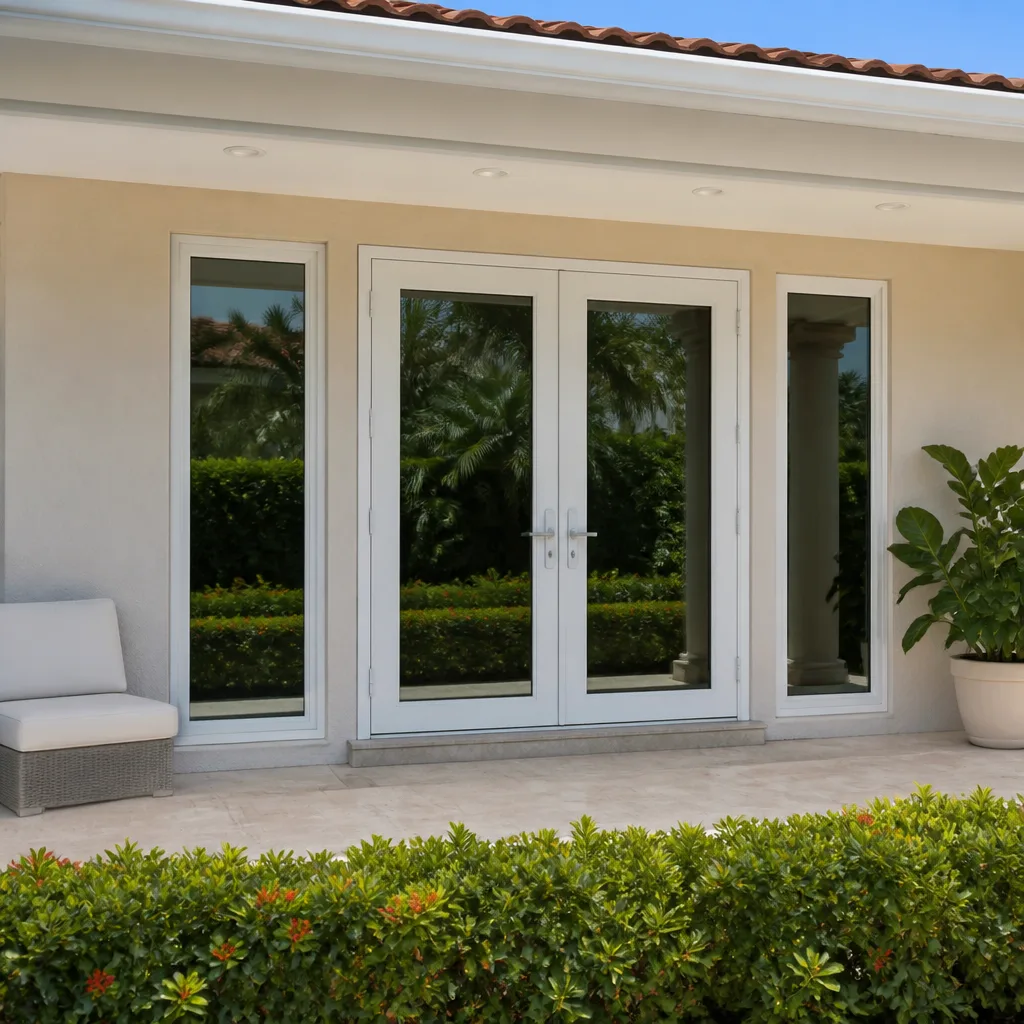
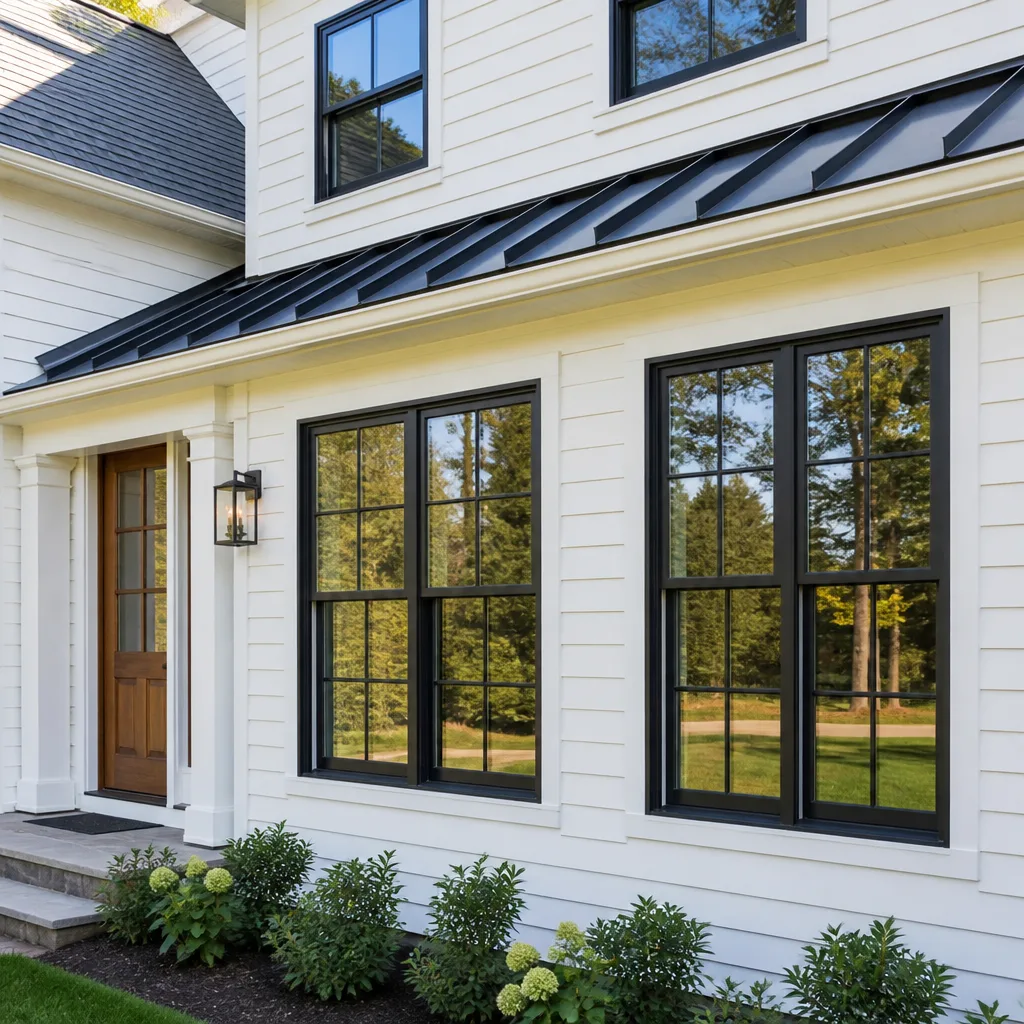
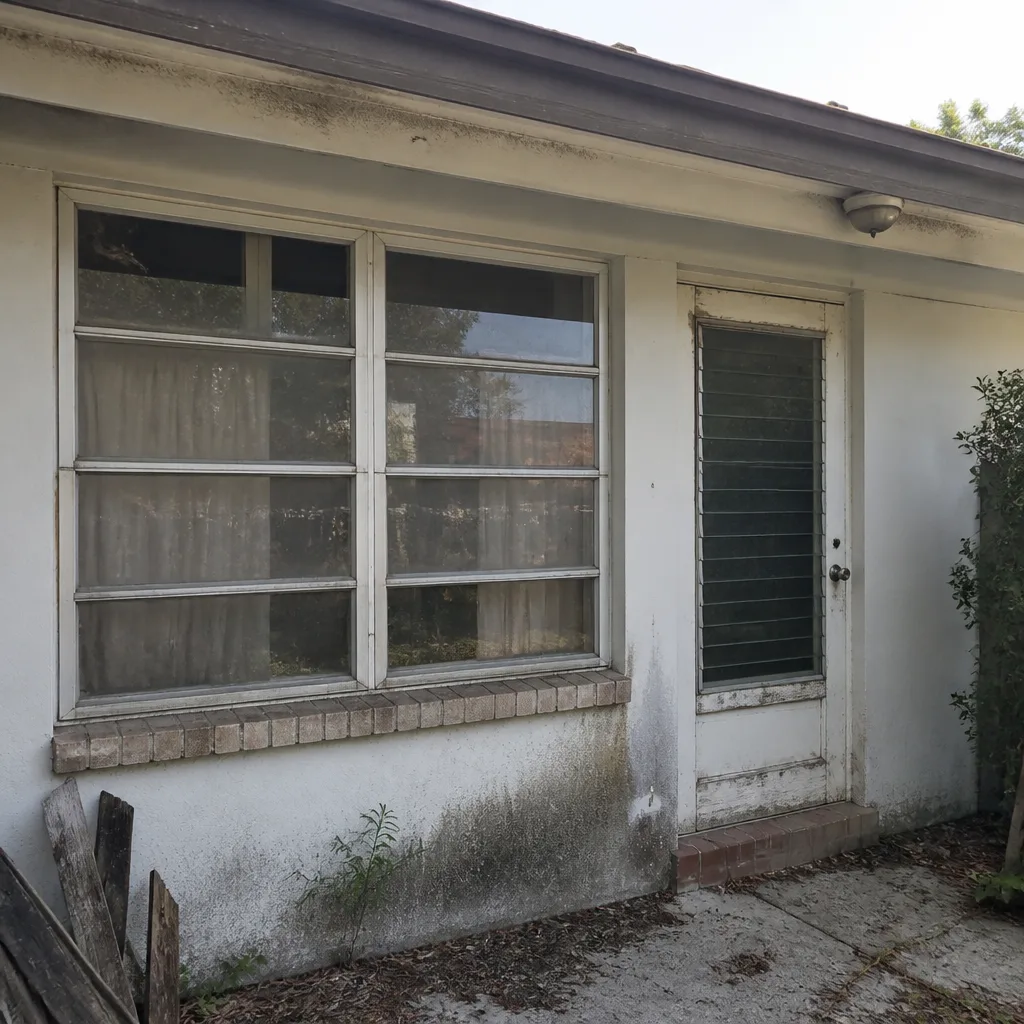 Before
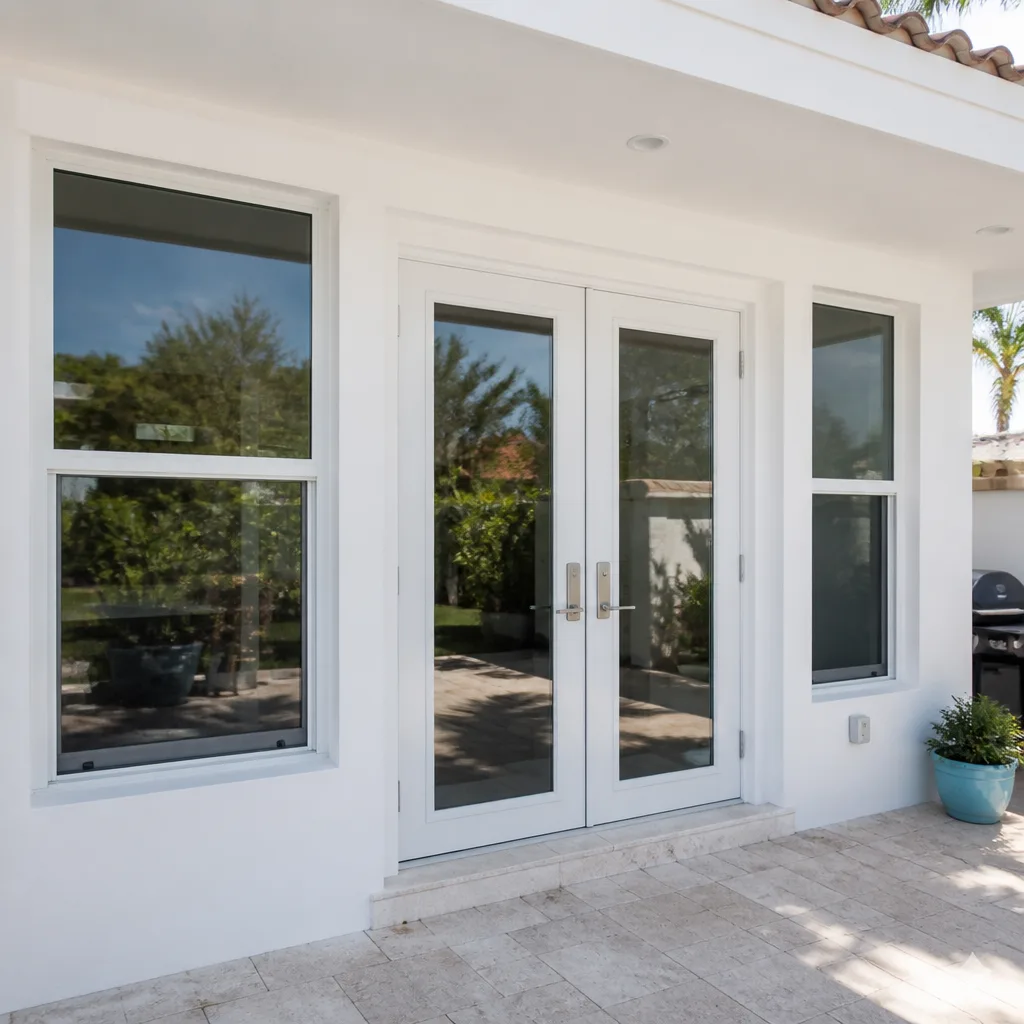 After
After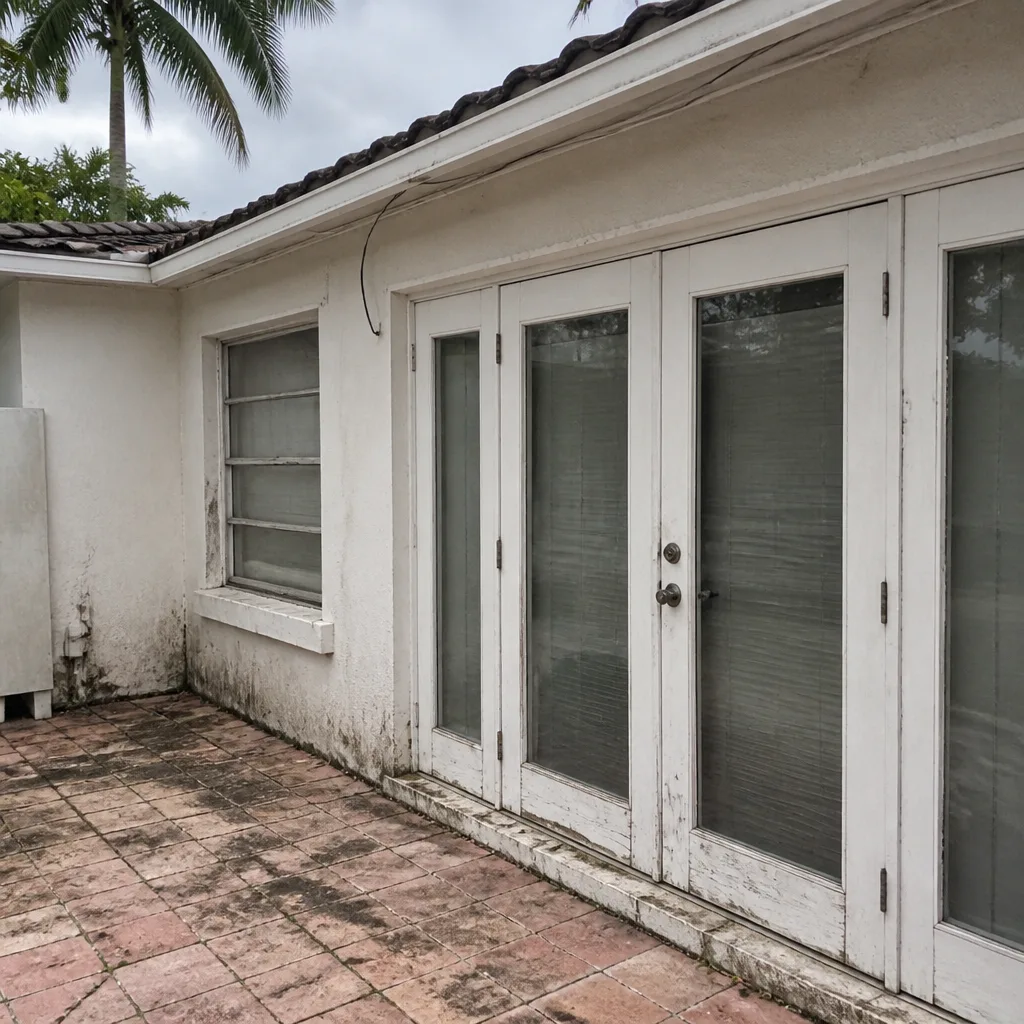 Before
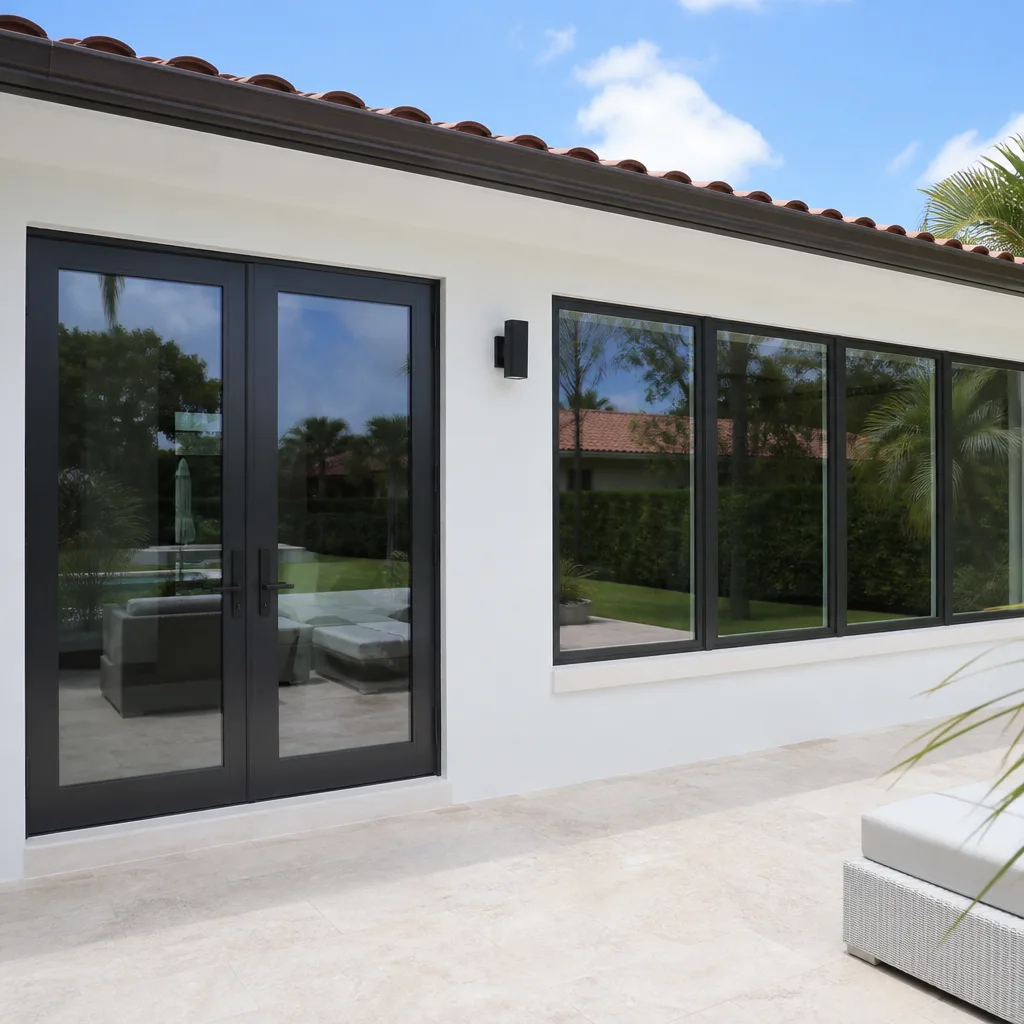 After
After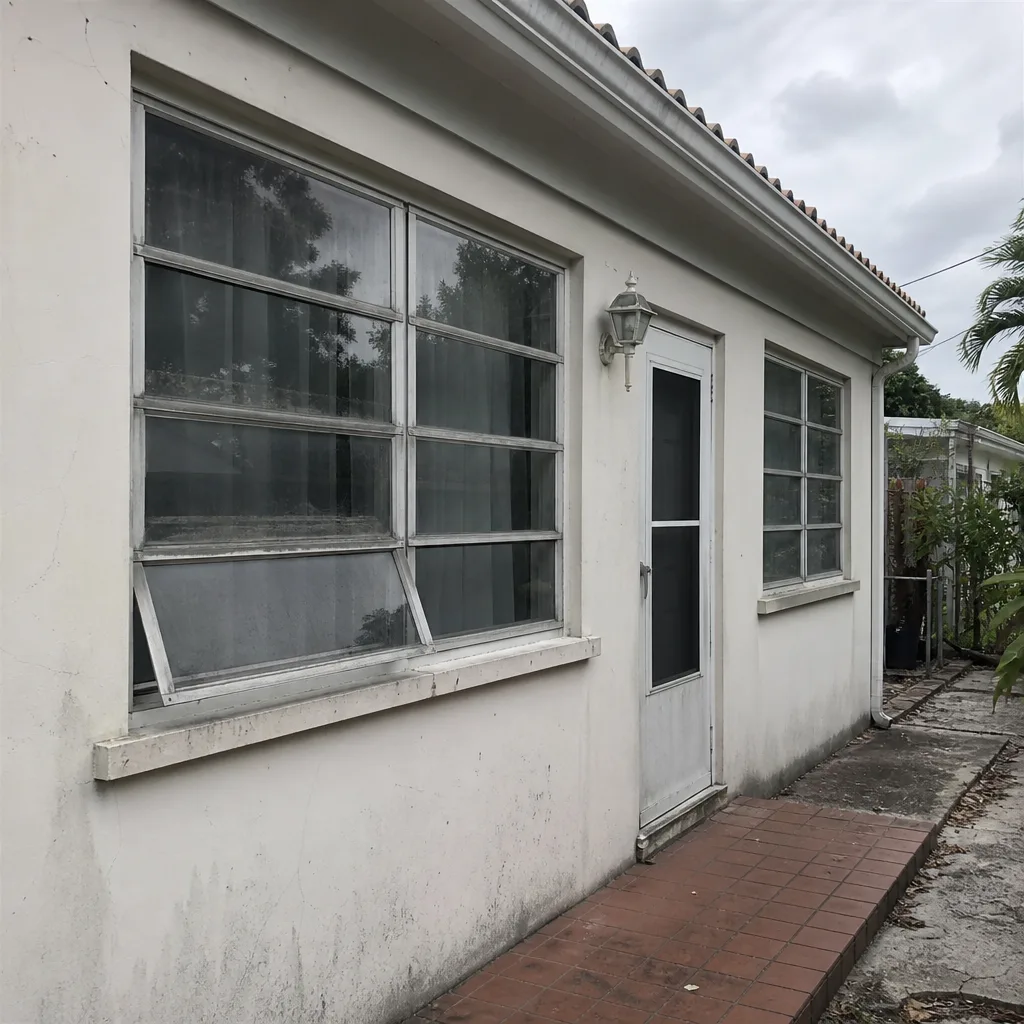 Before
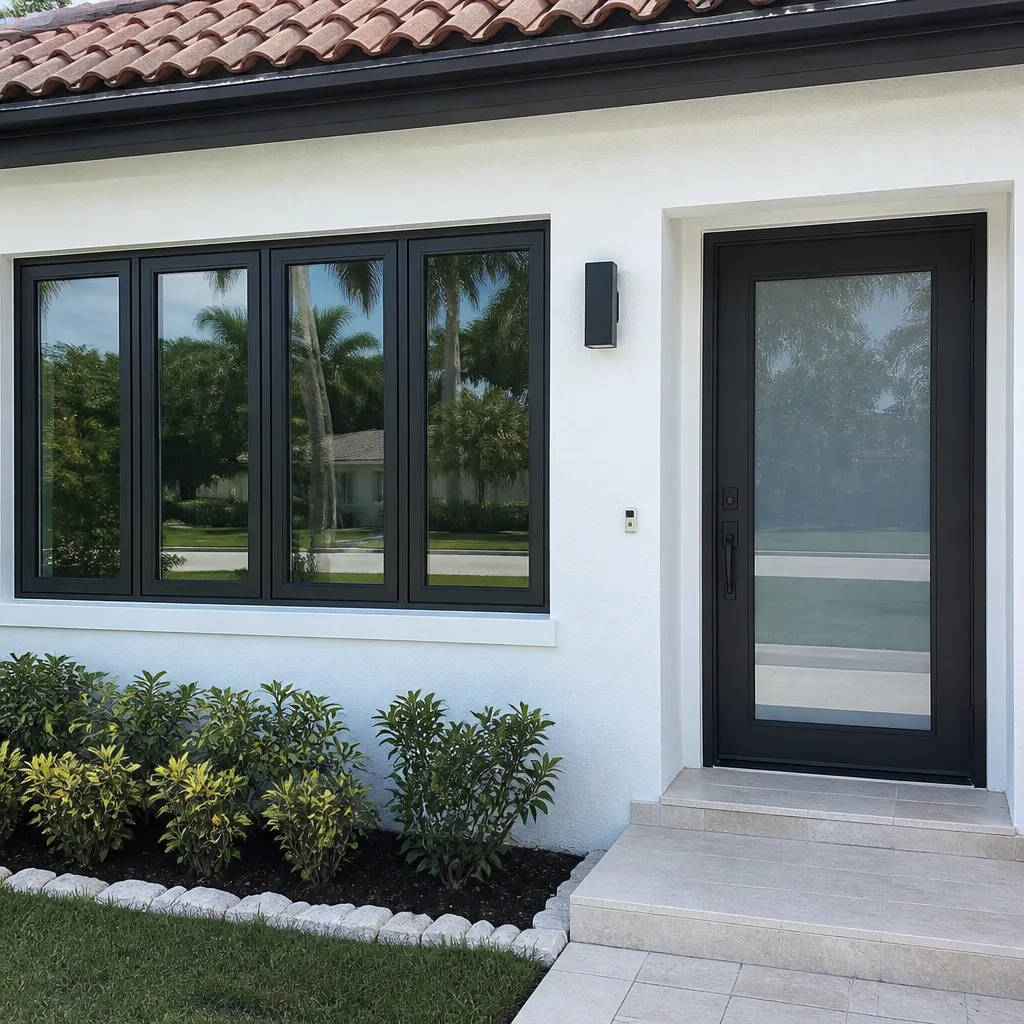 After
AfterWindows & Doors Warning Signs: A Miami Springs Homeowner’s Reference Guide
Here’s the uncomfortable truth most window and door guides won’t tell you: the warning signs that actually matter in Miami Springs are the ones you can’t see from your couch. A window that glides open smoothly and a door that locks with a satisfying click can both be structural liabilities hiding behind flawless cosmetics. In the salt-humid air of Miami Springs, where the Atlantic is never more than a few miles away, anchor bolts corrode inside wall cavities, aluminum frames oxidize at the buck interface, and multi-point lock mechanisms wear out from the inside. This guide ranks the warning signs by risk level, not by how obvious they look, so you know what threatens your family’s safety versus what merely annoys you on a humid July afternoon. For a deeper dive, see our Complete Guide to Windows & Doors in Miami Springs.
Quick Answer
The most serious window and door warning signs for Miami Springs homeowners are corroded anchor bolts at the frame-to-wall connection, glazing bead failure on impact windows, and soft spots under door thresholds indicating water intrusion. Foggy glass and sticking frames are usually cosmetic or minor mechanical issues, but anything involving the structural connection between your window or door and the rough opening demands professional evaluation before the next hurricane season.
Table of Contents
- Cosmetic Failure vs. Structural Failure: Why the Difference Matters
- Foggy Glass: Seal Failure or Something Worse
- Aluminum Frame Corrosion: The Bottom Rail Warning
- Door Threshold Soft Spots: What Your Feet Are Telling You
- Multi-Point Lock Testing: Beyond the Click Test
- Shifted Rough Openings in Older Miami Springs Homes
- Hurricane Readiness: Testing Your Impact Systems Before the Season
- Common Mistakes to Avoid
- When to Call a Professional
- Frequently Asked Questions
- The Bottom Line
Cosmetic Failure vs. Structural Failure: Why the Difference Matters
We’ve looked at hundreds of windows across Miami Springs, from the 1950s ranch homes near the golf course to the newer construction along Curtiss Parkway, and we see the same pattern year after year. Homeowners worry about what they can see and ignore what they can’t. A scratched frame catches the eye immediately. A corroded anchor bolt buried inside the wall cavity goes unnoticed until the window gets tested by a storm it was supposed to survive.
Here’s how to think about the difference. Cosmetic failures affect how your window or door looks and feels. They include faded finishes, minor surface scratches, worn weatherstripping, and hardware that’s lost its shine. These issues don’t compromise the structural integrity of the opening and can usually be addressed with simple repairs or ignored until they worsen. Structural failures affect whether the unit stays in the wall when wind pressure builds against it. These include corroded anchor bolts, failed glazing beads, deteriorated frame corners, and threshold rot that extends into the subfloor.
The stakes in Miami Springs are higher than in most of the country. Our building code requires impact-rated openings for a reason: a window that blows out during a storm doesn’t just let in rain. It pressurizes the interior of the home, and that pressure differential is what lifts roofs off structures. A window that looks fine but has a compromised anchor system can fail catastrophically at exactly the moment you need it most. If you’re considering an upgrade, our Impact Windows in Miami Springs guide walks through what proper structural installation looks like.
The rule of thumb: if the problem exists on the surface, it’s probably cosmetic. If it involves how the unit connects to the house, it’s potentially structural. When in doubt, have it looked at.
Foggy Glass: Seal Failure or Something Worse
Foggy glass is the most common window complaint we hear from Miami Springs homeowners. It’s also the most misunderstood. That haze between the panes of an insulated glass unit (IGU) develops when the perimeter seal fails and moisture gets inside. In most cases, that’s a comfort and efficiency issue, not a safety one. The glass is still in the frame, and the frame is likely still anchored properly.
But here’s what the standard advice misses: foggy glass can also signal something more serious, especially on impact-rated windows installed within the last decade. If the seal has failed, you need to ask why. In some cases, the seal failed because the glazing bead, the strip that holds the glass into the frame, was installed with inadequate pressure or the wrong setting block placement. When the bead isn’t doing its job, the glass unit can shift within the frame over time. A shifted IGU stresses the seal, and a stressed seal fails early.
The distinction matters because the fix is different. A simple seal failure on an otherwise sound frame can often be addressed by replacing just the IGU. But if the glazing bead has failed structurally, meaning the glass is no longer held firmly in the frame, replacing the glass without addressing the bead means the new unit will fail the same way in a few years. Worse, on impact windows, a compromised glazing bead means the glass may not perform as designed under missile impact or wind pressure. The bead is part of the structural system, not just a trim piece.
How do you tell the difference from the outside? Look at the gap between the glass and the frame. On a properly installed IGU, that gap stays uniform all the way around. If you see the glass sitting closer to the frame on one side than the other, or if you can see the setting block pushed visibly out of position at the bottom, the bead may be failing. Press gently on the glass from inside. A properly retained unit won’t move. If it flexes or shifts, call a professional. This is not a DIY fix, and it’s not something to ignore through another hurricane season.
Aluminum Frame Corrosion: The Bottom Rail Warning
Aluminum frames corrode in Miami Springs differently than they do in drier climates. Our combination of salt air, high humidity, and frequent afternoon thunderstorms creates a specific corrosion pattern that experienced local inspectors look for first. It shows up along the bottom rail, especially at the corners where the vertical and horizontal frame members meet, and it doesn’t look like the rust you see on steel. It shows up as a white, chalky powder called aluminum oxide, often accompanied by bubbling or flaking of the factory finish.
Superficial oxidation is mostly an appearance problem. It’s ugly, but it doesn’t mean your window is about to fall out of the wall. The concerning pattern is when the corrosion appears at stress points: the bottom corners, around the weep holes, or anywhere you see the frame material flaking away in layers rather than just powdering on the surface. That’s called exfoliation corrosion, and it means the aluminum is losing cross-sectional thickness. When the frame loses material at the corner joints, the unit loses its ability to distribute wind loads to the anchors. This doesn’t just weaken the window; it changes how the whole opening performs under pressure.
In our experience working on Window Replacement in Miami Springs projects, we’ve removed windows that looked passable from five feet away but crumbled at the corners once the stucco was cut back. The homeowners were always surprised. Most had assumed corrosion was a paint problem, not a structural one.
The practical takeaway: if you can wipe the white powder off with your finger and the metal underneath is intact, it’s likely cosmetic. If the frame material flakes away in sheets, if you can push a screwdriver into the corner joint with light pressure, or if the weep holes have corroded shut so water can’t drain, that’s a structural concern. Water that can’t drain through the weep holes pools inside the frame, accelerates corrosion, and eventually works its way into the wall cavity where the anchors live. That’s the failure chain that turns a cosmetic issue into a life-safety one.
Door Threshold Soft Spots: What Your Feet Are Telling You
Every Miami Springs home with an exterior door eventually develops a threshold issue, especially entries that face east and catch afternoon thunderstorms. But not every threshold problem means what homeowners assume it means. Most people feel a slight give underfoot near the door and conclude the foundation is settling. That’s rarely the case. Settling homes crack drywall, stick doors at the top of the frame, and show gaps that widen over time. A soft threshold is almost always a water problem.
Here’s what’s happening underneath. Exterior door thresholds sit on the rough opening’s bottom plate, which is the piece of framing lumber that runs under the door. When the threshold seal wears out or the threshold itself develops a crack, rainwater and irrigation spray work their way under the sill. That water soaks into the bottom plate, the subfloor, and eventually the floor joists. The wood softens, compresses, and the threshold starts to feel spongy when you step on it.
The warning sign sequence usually goes like this: first, you notice the door drags slightly at the bottom or the sweep keeps wearing out faster than it should. Then you feel a faint bounce underfoot right at the threshold. Then the interior flooring near the door starts showing discoloration at the seams or a slight cupping. By the time you can feel the soft spot from across the room, you’re looking at structural wood replacement, not just a threshold replacement.
The good news is that caught early, this is a manageable repair. The threshold gets pulled, the damaged subfloor gets cut out and replaced, and a new threshold goes in with proper sealant and flashing. Caught late, it becomes a larger project involving joist repair and possibly framing work. The lesson: don’t ignore a soft threshold because you think it’s settlement. Settlement requires a foundation specialist. Spongy wood under a door is almost always water, and water problems in Miami Springs don’t fix themselves.
Multi-Point Lock Testing: Beyond the Click Test
Multi-point locks are common on mid-range and high-end doors in Miami Springs, and they’re a real security upgrade over a single deadbolt. Instead of one locking point, these systems throw shoots at the top, bottom, and middle of the door panel when you lift the handle. It’s a solid design, but the mechanisms have a weakness that most homeowners never check: the shootbolts wear in ways that aren’t obvious from a simple click test.
Here’s how most people test their multi-point lock. They close the door, lift the handle, hear a click, and assume the door is locked. That click tells you the gearbox engaged. It doesn’t tell you whether all three shootbolts actually extended into their keeps in the frame. Worn gears, bent shootbolts, and misaligned keeps can leave one or two of the three points unengaged while still producing the same click from the handle mechanism. Your door looks locked, and an intruder with a pry bar finds it behaves more like a single-point lock.
The proper test takes about thirty seconds. With the door closed and the lock engaged, push against the door near the top corner, then the bottom corner, then the center. You’re looking for movement. A fully engaged multi-point lock should hold the door firmly at all three positions. If the door flexes visibly at the top or bottom when you push, that shootbolt probably isn’t seating. You can also check from the outside: look at the gap between the door slab and the frame at the top and bottom. It should be uniform. A gap that widens at the top corner usually means the top shootbolt isn’t engaged.
Worn shootbolts don’t always need a full lock replacement. Often the issue is a misaligned keep that’s drifted out of position as the door settles, or a bent shootbolt that can be straightened with careful adjustment. But if the gearbox itself is worn, replacement is the honest fix. This is a case where Window Installation in Miami Springs standards for frame alignment apply equally to door hardware. A door that’s racked in its opening will keep eating lock mechanisms no matter how many times you replace them.
Shifted Rough Openings in Older Miami Springs Homes
Miami Springs has a distinctive housing stock. Much of the residential construction dates from the 1950s through the 1970s, built on the Coral Gables-modeled city plan that gave the town its character. Those homes have real charm, and they also have rough openings that were framed to a different standard than what modern impact windows require. The dimensional lumber has dried and shifted over sixty or seventy years. The stucco has moved. The openings that were square enough for single-pane aluminum windows are often out of square by a quarter inch or more today.
When a new impact window goes into an old opening, the installer has to compensate for that shift. Proper shimming and anchoring can pull a frame into square and hold it there, but the stress doesn’t disappear. It transfers into the new frame. Over time, that stress can reveal itself in warning signs that homeowners don’t connect to the installation: hairline cracks running diagonally from the window corners across the stucco, a new window that starts to stick within a couple of years of installation, or gaps that open up between the window frame and the interior trim.
The concerning signs in older Miami Springs homes are any changes that suggest the opening is moving after the new window went in. Fresh stucco cracks radiating from the corners are the most common. If the crack is wider at the top than the bottom, or if one side of the window is tight against its frame while the other side shows daylight, the rough opening may be shifting under the load. This doesn’t always mean the installation was bad. Sometimes the opening was already at the edge of what it could handle, and the stiffer new frame accelerated a movement that would have happened anyway.
What it does mean is that the window needs attention before the shifting damages the frame or compromises the anchor points. In severe cases, the fix involves pulling the window, reinforcing the rough opening with new framing, and reinstalling. That’s a bigger job than a typical replacement, but ignoring the warning signs means the window’s structural performance is an unknown heading into the next storm.
Hurricane Readiness: Testing Your Impact Systems Before the Season
June 1 comes every year, and every year we get calls from Miami Springs homeowners who waited until a named storm was three days out to check their windows and doors. Some of those calls end with “we can get you on the schedule next week,” which is too late if the storm doesn’t wait. Testing your impact systems before hurricane season isn’t complicated, but it does require knowing what you’re looking at and being honest about what you find.
- Start with the glass. Examine the inner pane for chips, cracks, or visible delamination of the laminate layer. A small chip on the outer pane is usually cosmetic. A crack that penetrates the inner laminate layer means the glass has already done its job once and won’t perform the same way again.
- Check the frame-to-wall connection. Look for new gaps between the outside of the frame and the stucco. Run a thin plastic card around the perimeter. It should meet resistance evenly. A spot where the card slides in freely indicates a gap that could let water behind the frame.
- Cycle every window and door. Open and close each one fully. Note any that stick, bind, or require unusual force. A properly installed impact unit should operate smoothly even years after installation.
- Inspect the weatherstripping. Compressed or missing weatherstripping allows wind-driven rain to penetrate around the sash even if the glass holds. Miami Springs storms drive rain horizontally.
- Test the locks. Every lock, every shootbolt, every latch. If a lock doesn’t engage fully, the sash may flex more than designed under pressure, changing the load path through the anchors.
Common Mistakes to Avoid
- Ignoring foggy glass because “it still works.” Foggy glass is a failed seal, and a failed seal on an impact window means the IGU is no longer performing to its rating. It might survive the next storm, but you’re betting your family’s safety on a maybe.
- Painting over corroded aluminum frames. Paint covers the symptom, not the cause. The corrosion continues underneath, and by the time it shows through the new paint, the frame has lost more material than it would have if you’d addressed it early.
- Assuming a soft threshold means foundation problems. Most threshold soft spots in Miami Springs are water damage, not settling. The fix is different, and waiting while you research foundation contractors gives the water more time to spread.
- Replacing a multi-point lock without checking the door alignment. If the door has sagged in its opening, the new lock will wear out the same way the old one did. Fix the door alignment first, then the hardware.
- Caulking around a window that’s pulling away from the opening. Caulk fills gaps; it doesn’t fix the structural problem that created the gap. If the frame is moving, the caulk will crack and you’ve lost time plus created a false sense of security.
- Waiting until June to test impact systems. In Miami Springs, the last two weeks of May are the worst time to discover you need a repair. Most experienced installers are already booked, and you’re competing with everyone else who waited.
When to Call a Professional
Some window and door issues genuinely can wait. A hairline scratch in the glass, a slightly worn handle, a screen that needs replacing. Those are projects for whenever it’s convenient. Other issues need prompt attention, and the distinction usually comes down to water, structure, or both. If you see water stains around the interior of a window or door after rain, if a window or door has become noticeably harder to operate over a short period, if you find corrosion that flakes away in layers, or if you feel softness underfoot near any exterior threshold, call someone who does this work full-time. These are the early warnings of bigger problems, and catching them early is always cheaper than waiting. Winslow Windows & Doors offers free estimates in Miami Springs. Call (239) 310-4121 and we’ll take a look, walk you through what we find, and give you honest recommendations whether that means a repair or a full replacement.
Frequently Asked Questions
Replacing a failed IGU in Miami Springs typically runs between $250 and $500 per window depending on size and whether the existing frame is sound. If the glazing bead has also failed, expect to pay more since the frame will need attention before the new glass goes in. Call (239) 310-4121 for an exact quote. Estimates are free, and we’ll tell you upfront whether the glass alone will fix the problem or if there’s a deeper issue.
In most cases, you can replace just the IGU in an impact window as long as the frame is still structurally sound and the glazing bead is intact. Once the frame has corroded at the corners or the bead has failed, a full unit replacement usually makes more financial sense. We’ll assess the frame before recommending anything, and we won’t sell you a new window if a glass replacement will do the job.
Properly installed impact windows from quality manufacturers like PGT, CGI, and ECO Window Systems typically last 20 to 30 years in Miami Springs before the frame or glass reaches the end of its service life. That number drops significantly if the windows weren’t installed with proper drainage or if the rough opening wasn’t flashed correctly. Installation quality determines lifespan more than anything else.
A door that sticks at the top of the slab usually means the hinge side has settled or the door slab itself has warped. It’s less often a foundation issue than homeowners assume. In Miami Springs’ humid climate, wood door slabs can absorb moisture and warp, especially on north-facing entries that don’t get direct sun. A professional can determine whether the fix is hinge adjustment, slab replacement, or something structural.
Yes, window and door replacements in Miami Springs require permits, and impact-rated installations must meet Florida Building Code requirements including Miami-Dade County product approval. Any reputable contractor will handle the permitting as part of the job. If someone offers to replace your windows without pulling permits, that’s a red flag about what else they’re cutting corners on.
The best time to schedule window and door replacement in Miami Springs is outside of hurricane season, typically October through April. You’ll have more scheduling flexibility, and the work gets done well before the next June 1. That said, if you’re seeing structural warning signs now, don’t wait for the calendar. A compromised opening is a risk every month of the year. Call (239) 310-4121 and we’ll get you a free estimate on your timeline.
The Bottom Line
Windows and doors are the only parts of your Miami Springs home designed from the start to be tested by extreme conditions. Cosmetic issues like foggy glass and surface oxidation matter, but they don’t threaten your safety the way failed anchor systems, corroded frame corners, and water-damaged thresholds do. The skill is in telling one from the other. When you can recognize the difference between a seal failure and a glazing bead failure, between a cosmetic blemish and a structural compromise, you can spend your repair budget where it actually protects the house. And when you’re not sure, that’s what a second opinion is for. Ed Winslow has been looking at Miami Springs windows and doors since 2011, and his name is on the door, and on every job we do.
Written by Ed Winslow, Owner at Winslow Windows & Doors, serving Miami Springs since 2011.
Six Reasons Homeowners Choose Winslow Windows & Doors
Impact systems engineered to design pressures up to +/-100, matched to your wind zone - your openings hold when the storm arrives.
Low-E insulated impact glass from our manufacturer lines commonly cuts monthly cooling bills 20-30%.
Laminated impact glass shuts out up to 40% of outside noise - traffic, neighbors, weather.
Monitoring services run $30-90 a month. Laminated impact glass resists forced entry around the clock, with no subscription.
Florida homeowners average around 25% savings on the windstorm portion of their policy after protecting every opening - some homes qualify for more.
A full impact package upgrades curb appeal, buyer confidence and appraised value in one project.