
Last updated August 27, 2026
Free in-home measure and quote - PGT, CGI and CWS impact lines compared on your actual openings, style by style
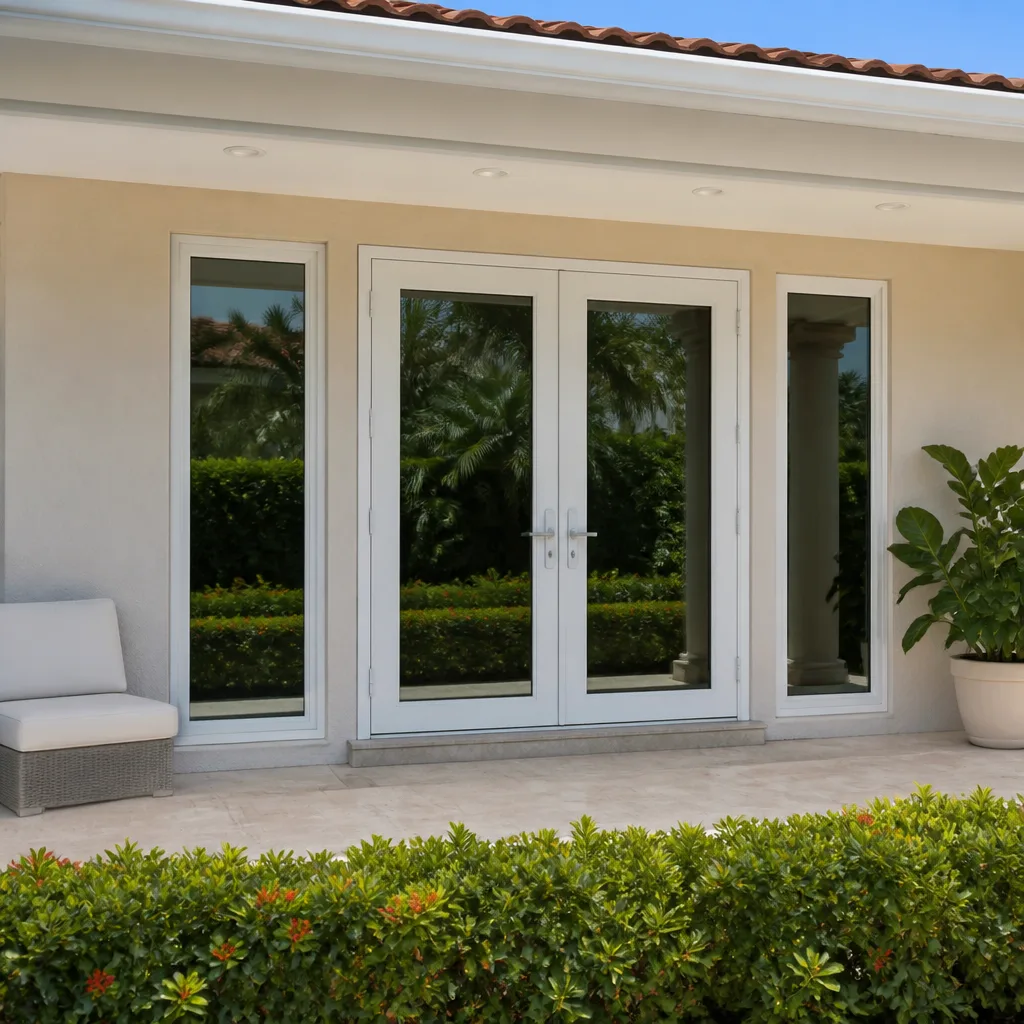
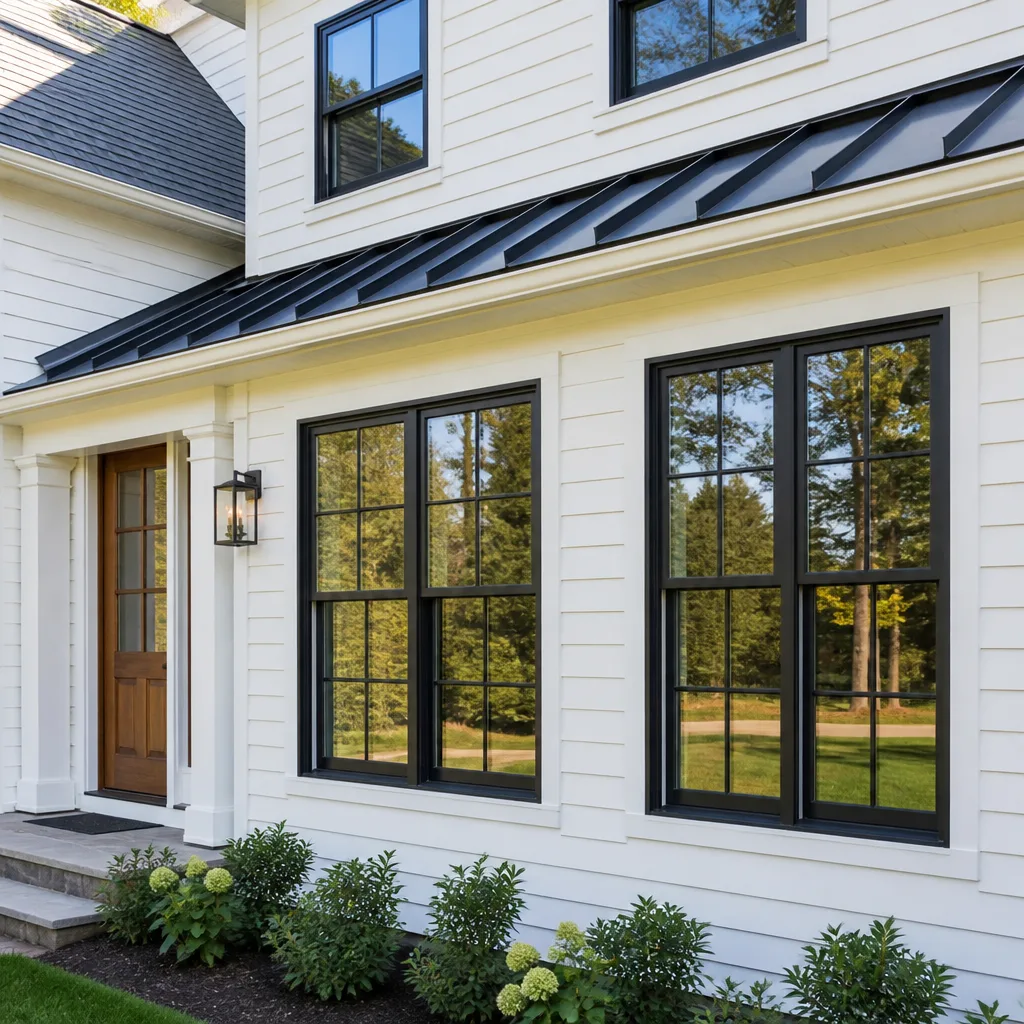
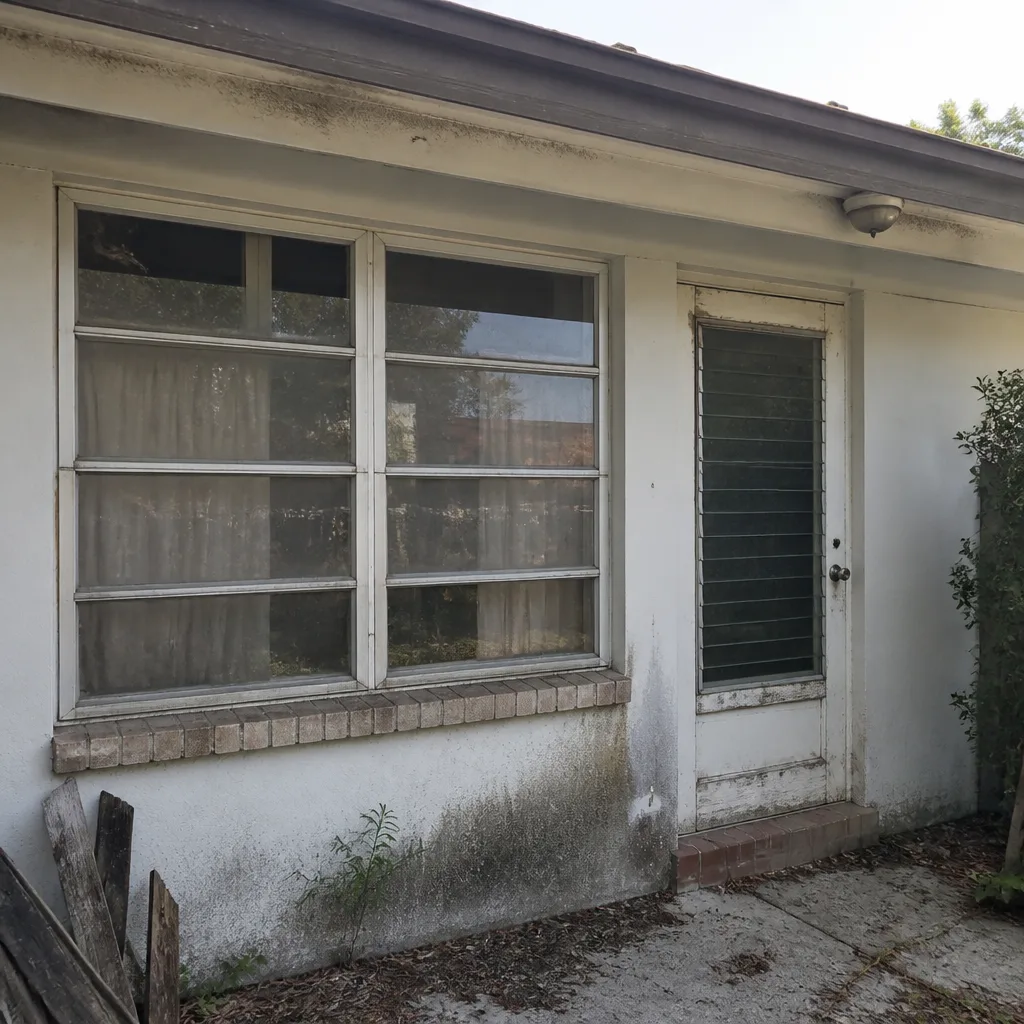 Before
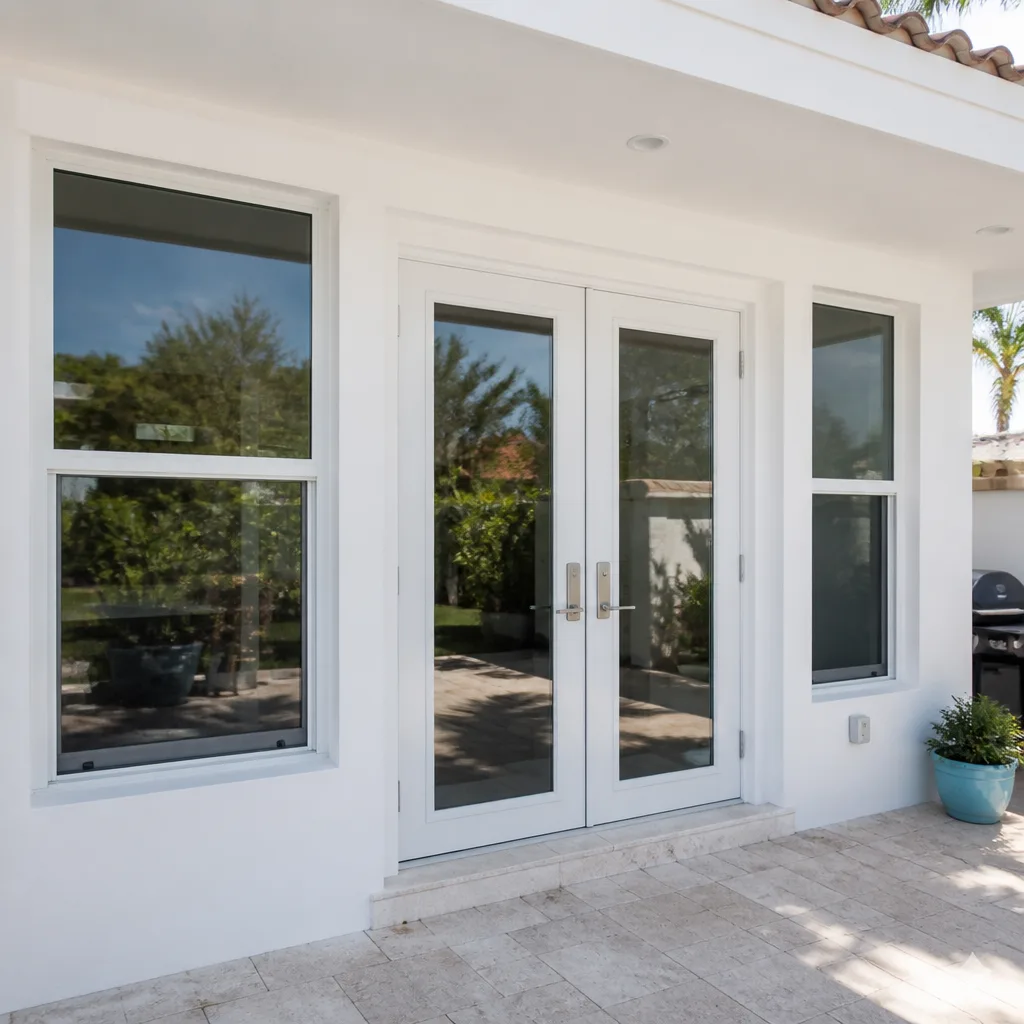 After
After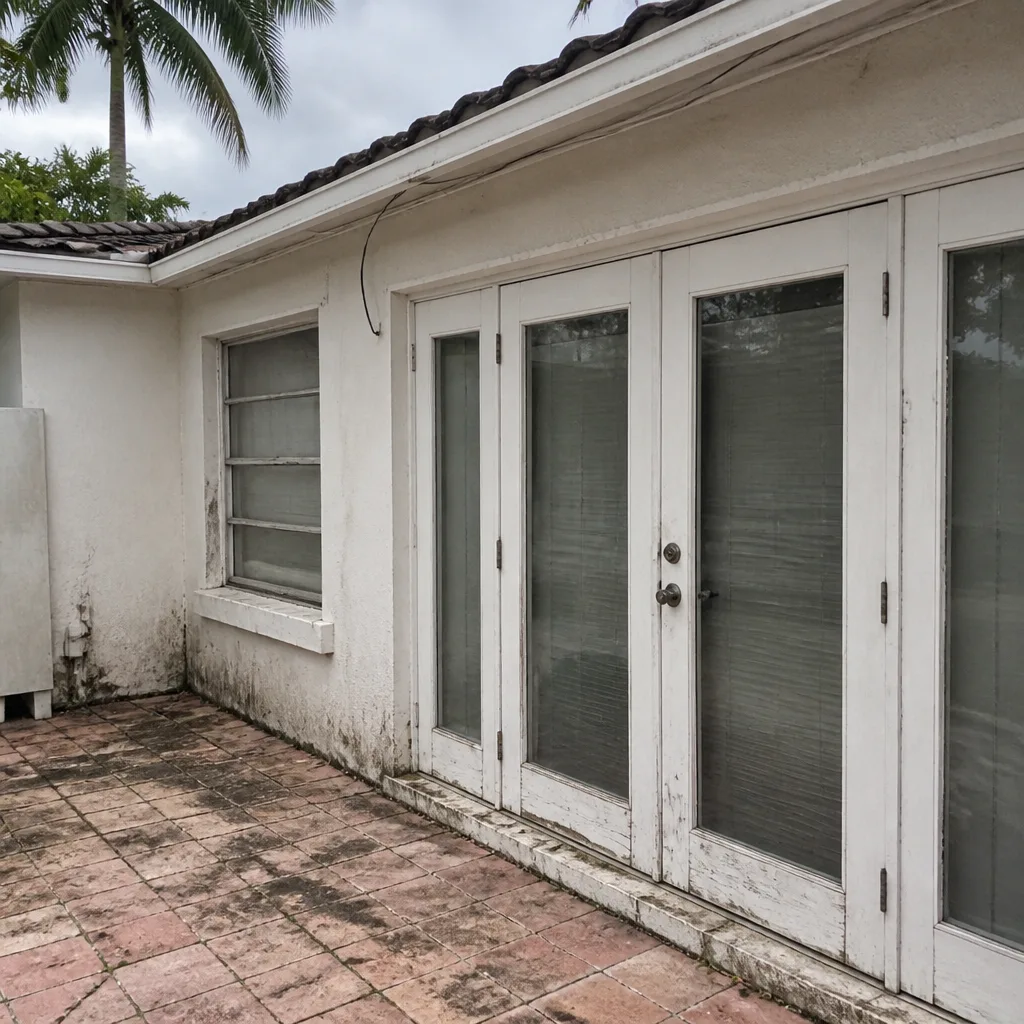 Before
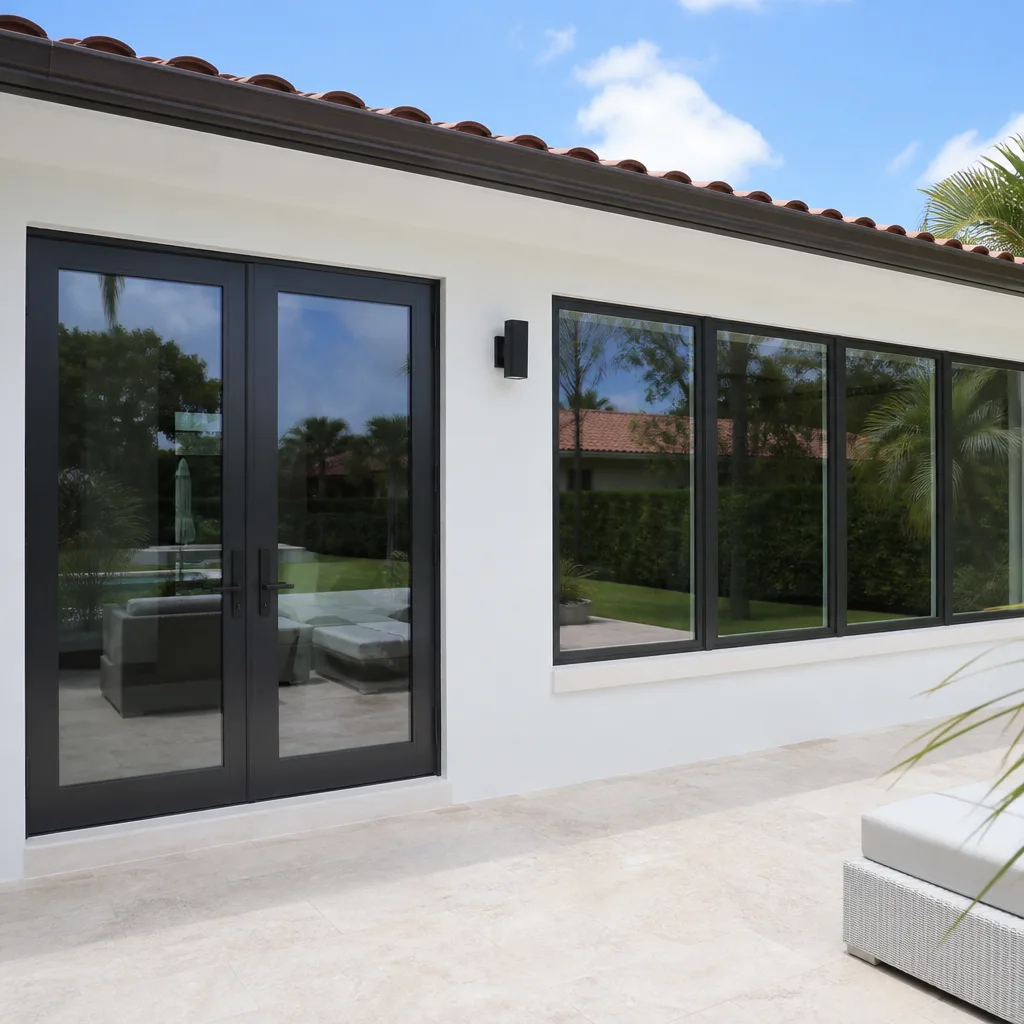 After
After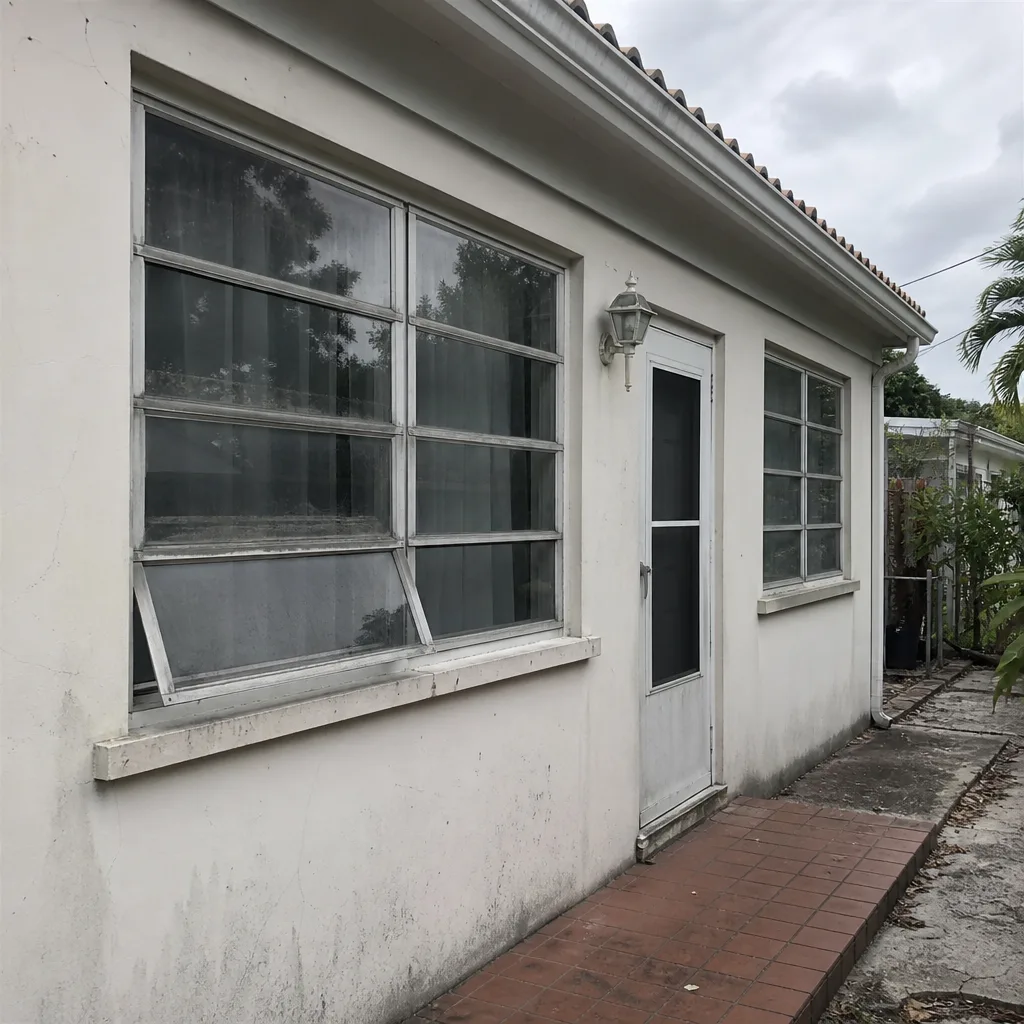 Before
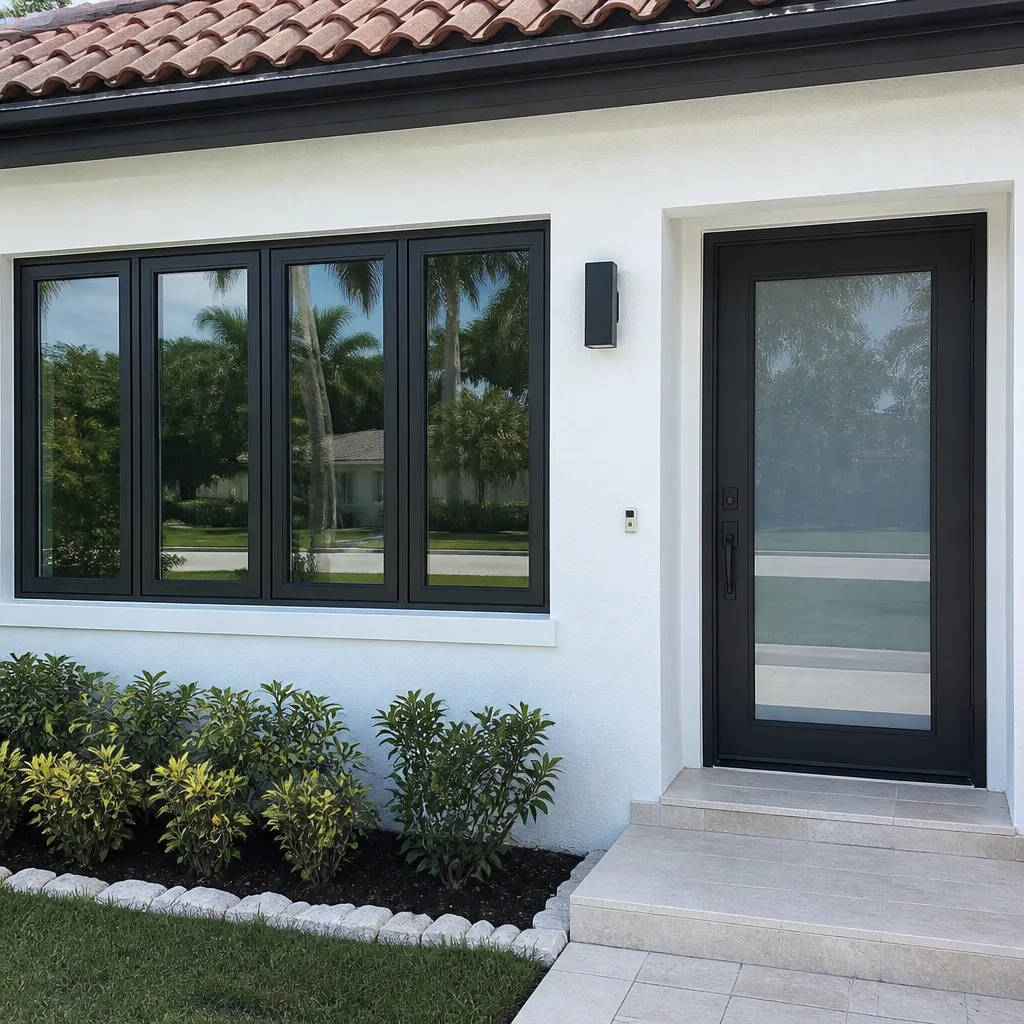 After
AfterDIY vs Professional Windows & Doors: The Miami Springs Homeowner’s Decision Guide
Here’s the counterintuitive reality most national DIY guides won’t tell you: in most of the country, a determined homeowner with a Saturday and a decent tool kit can legally swap out their own windows. In Miami Springs, that same homeowner will hit a brick wall the moment they ask for a permit. Miami-Dade County sits inside the High Velocity Hurricane Zone (HVHZ), the strictest building code region in the United States, and that single fact changes everything about what you can and cannot do with a window or door replacement. This guide walks through the legal reality, the true cost difference, the insurance implications, and the narrow slice of the work that genuinely makes sense to do yourself; for more, see our step-by-step guide on hiring a windows and doors contractor in Miami Springs.
Quick Answer
In Miami Springs, DIY window and door installation is effectively off the table for anything that requires an HVHZ-rated product and a permit. Florida law technically allows homeowner permit pulls on paper, but Miami-Dade’s HVHZ requirements mean no inspector will pass an impact window installation that wasn’t performed and certified by a licensed contractor. The practical question isn’t “can I do it myself” but “which finishing touches can I safely handle after a licensed pro handles the structural work.”
Table of Contents
- The Legal Reality: Why Miami Springs Is Different From the Rest of Florida
- What the NOA Anchor Schedule Is and Why It Ends the DIY Conversation
- What Happens to Your Insurance and Warranty When You Self-Install
- The True Cost of a DIY Impact Window Project in HVHZ
- What a Miami Springs Homeowner Can Legally and Safely Do Themselves
- The One Scenario Where DIY Saves Real Money: Interior Trim and Finish
- What Professional Installation in Miami Springs Actually Includes
- Common Mistakes to Avoid
- When to Call a Professional
- Frequently Asked Questions
- The Bottom Line
The Legal Reality: Why Miami Springs Is Different From the Rest of Florida
Florida’s building code includes a provision that lets a homeowner act as their own contractor and pull permits for work on their own residence. On its face, that sounds like a green light for DIY window replacement. But that provision has never been the whole story in Miami Springs, and anyone who tells you otherwise hasn’t read the local amendments.
Miami-Dade County operates under the High Velocity Hurricane Zone code, a set of supplemental requirements layered on top of the Florida Building Code. HVHZ exists because this stretch of South Florida faces wind loads that the rest of the state doesn’t. Miami Springs sits squarely inside that zone, which means every exterior opening in your home is governed by a stricter set of standards than, say, a house in Orlando or Jacksonville. A standard residential window that meets Florida Building Code general requirements is not automatically legal to install in Miami Springs. The product itself must carry a Miami-Dade Notice of Acceptance (NOA), and the installation method must match the NOA’s documented anchor schedule exactly.
Here’s the part that ends most DIY ambitions before they start: the NOA anchor schedule is a product-specific engineering document that dictates exactly which fasteners go where, at what spacing, through which parts of the window frame, and into what substrate. It is not a suggestion. It is a code document. And the inspection process in Miami Springs treats it as gospel. When an inspector shows up to sign off on a window permit, they will check that the installed product matches the NOA, that the anchoring matches the NOA drawings, and that the installer holds the proper license. A homeowner-installed impact window in Miami Springs will fail that inspection, not because the work looks sloppy, but because the paperwork chain doesn’t hold up.
What the NOA Anchor Schedule Is and Why It Ends the DIY Conversation
If there’s one term Miami Springs homeowners need to understand before touching a window, it’s the NOA anchor schedule; keeping up with regular maintenance is equally critical. Most of the country has never heard of it. Here, it’s the difference between a window that protects your family in a Category 4 storm and a window that becomes a missile hazard.
The NOA, or Notice of Acceptance, is a document issued by the Miami-Dade Product Control Division. When a window manufacturer wants to sell a product in this county, the product undergoes engineering analysis and testing. The NOA tells you exactly what wind loads the product was engineered to withstand and, critically, exactly how it must be anchored to the building. That anchoring specification covers fastener type, fastener size, fastener spacing, embedment depth, and the specific location of each anchor along the frame perimeter. For windows manufactured by companies like CGI, CWS, ES Windows, and ECO Window Systems, these anchor schedules are detailed engineering drawings, not general guidelines.
The reason this matters to the DIY question: a licensed Miami Springs installer that handles Impact Windows in Miami Springs has spent years learning how to read and execute these NOA documents across different wall conditions. Concrete block, wood frame, stucco over frame, your particular window’s opening dimensions, the surrounding structure’s condition. Each variable changes the anchoring. Get one fastener placement wrong, and the window may hold in normal weather while failing catastrophically under hurricane wind pressure. The inspector’s job is to verify every single element matches the NOA, and no homeowner, no matter how capable with a drill, can produce the licensed installation record the inspection requires.
What Happens to Your Insurance and Warranty When You Self-Install
Let’s say you decide to push forward with a DIY impact window install in Miami Springs anyway. You buy products, you do the work, and something goes wrong: the window leaks during a storm, a seal fails, or a post-installation inspection reveals the anchoring doesn’t match the NOA. Here’s what you’re facing.
Your homeowner’s insurance policy, especially here in Florida where carriers are hypersensitive to hurricane exposure, almost certainly includes language requiring that any modifications to exterior openings be performed by licensed contractors in compliance with local building codes. When an insurer discovers that a homeowner self-installed impact windows without the proper permits and licensed workmanship, they have grounds to deny claims related to those openings. In a worst-case scenario, an insurer reviewing a claim after a hurricane may determine that non-compliant windows contributed to water intrusion or structural damage, and the payout you were counting on evaporates. Some Miami Springs homeowners have discovered this only after submitting a claim and getting a letter back from an adjuster flagging the installation as unlicensed. By that point, fixing the problem costs far more than hiring a pro from the start.
The product warranty story is equally blunt. Every major impact window manufacturer, including the brands we install like CGI, CWS, ES Windows, and ECO Window Systems, includes language in their warranty documentation that voids coverage when the product is not installed by a licensed professional in accordance with the NOA. When you call the manufacturer about a failed seal or a warping sash, their first question is who installed the window. If the answer is “I did,” the line goes quiet politely. Your thousand-dollar window just became a product with zero recourse.
This is not a scare tactic. It’s the documentation reality we’ve seen play out in Miami Springs repeatedly. The warranty and insurance protections that make impact windows a sound investment only exist if the installation paperwork holds together under scrutiny.
The True Cost of a DIY Impact Window Project in HVHZ
The most common reason homeowners consider DIY is cost. On paper, a professional install adds labor expense. In reality, in Miami Springs, the DIY route typically costs more than the professional quote once you account for everything HVHZ compliance requires. Here’s the actual breakdown.
Step-by-Step: What a DIY Window Project in Miami Springs Really Costs
- Permit fees and document processing. Miami-Dade County charges permit fees for window replacement that vary by project scope, but a typical single-family window package can run $400 to $1,200 in permit costs alone. Some homeowners assume the homeowner-builder permit option waives or reduces this. It doesn’t meaningfully change the fee structure.
- Engineering documentation. If you’re pulling the permit yourself, you’ll need the NOA documents for every product you buy. Getting those documents into your hands as a retail consumer, rather than as a licensed dealer, often means paying separately for them or navigating a manufacturer’s commercial portal that isn’t set up for one-off homeowner purchases. Budget $50 to $150 per window for proper documentation access.
- Product cost without installer pricing. Professional installers in Miami Springs buy impact windows at volume pricing and pass savings along. A retail buyer picking up a single CGI or ECO Window Systems unit at a supply house will typically pay 10 to 20 percent more per window than a licensed contractor charges for the same product on a written line-item estimate.
- Tools and fasteners you probably don’t own. HVHZ anchoring requires specific drill sizes, specific anchor types (often Tapcon or threaded rod systems), a hammer drill powerful enough for concrete block, and precision layout tools. If you’re starting from scratch, budget $500 to $1,500 for proper equipment. And no, borrowing a friend’s drill won’t meet the torque and depth requirements the NOA specifies.
- Inevitable correction items. This is the part no blog post ever includes. Even if you navigate the permit process, purchase the products, and execute the installation to the best of your ability, the Miami-Dade inspection will likely flag correction items. Those corrections require either a licensed contractor to fix the work or, worse, a full tear-out and reinstallation. A failed inspection alone can set a project back three to six weeks.
Add all of this up and the “savings” most Miami Springs homeowners expect from DIY disappear before they finish the first window. A professional installation from a company that handles Window Installation in Miami Springs bundles the permit, engineering, product, labor, and inspection support into one line-item price. You see the full number up front.
What a Miami Springs Homeowner Can Legally and Safely Do Themselves
None of this means a capable Miami Springs homeowner is entirely shut out of their own project. There’s a meaningful list of tasks you can take on without touching the structural or code-governed elements of the installation, especially if you follow a seasonal care routine for your windows and doors. These are the tasks we typically hand to homeowners when they want to be involved and save on labor.
- Interior trim removal before the crew arrives. Removing old interior casing, baseboards, and window sills is straightforward work that doesn’t require a permit. Do it carefully, label each piece, and you’ll save your installer time on the back end.
- Interior paint and finish after installation. Once the windows are installed, caulked, trimmed, and inspected, the interior finishing work is yours if you want it. Paint, stain, caulk touch-ups around interior casing. This is genuinely DIY-friendly and saves several hundred dollars on a whole-house project.
- Site prep and clearance. Moving furniture, taking down window treatments, clearing a workspace inside and outside, protecting flooring with drop cloths. All safe, all helpful, all permitted.
- Landscaping clearance outside. Trimming shrubs, moving planters, clearing access to exterior walls. In Miami Springs, where homes sit close together and landscaping often crowds window lines, this saves real time.
- Post-installation touch-up painting on exterior trim. Once the permit is closed and the installation is signed off, exterior caulk and paint touch-up around the new window frames is within a homeowner’s ability. This is cosmetic work that follows the structural installation.
These tasks won’t save you thousands, but they’ll save several hundred dollars and keep you personally involved in the project without running afoul of Miami-Dade’s building code.
The One Scenario Where DIY Saves Real Money: Interior Trim and Finish
If there’s a sweet spot for the Miami Springs homeowner who wants to put their hands on the project, it’s this: let a licensed pro handle everything from permit to inspection, then take over the interior finish work after the inspection passes. Here’s how to coordinate that split so both parties stay happy.
How to Split the Work With Your Contractor
- Agree on the scope split before signing the contract. Tell your installer you want to handle interior trim removal, painting, and finish. Get it in writing as an exclusion from the quote, so there’s no ambiguity about who does what.
- Ask the installer to leave interior trim unpainted. Some companies paint interior casing as part of the package. If you want that work, request a quote that leaves interior trim unpainted and lets you handle the final finish.
- Schedule your finish work after the final inspection, not before. The worst mistake is painting and finishing interior trim before the county inspector signs off. If any correction item comes up, you’ll be repainting or redoing work. Wait for the green light.
- Use the materials the installer recommends for interior finish. Humidity in Miami Springs is a constant. Interior paint and caulk choices that work in drier climates can fail here. Ask your contractor what they’d use.
This approach typically saves $300 to $800 on a whole-house window package, depending on the number of openings and the complexity of the trim work. More importantly, it keeps the structural and code-governed elements in licensed hands while giving you ownership of the parts that don’t carry liability.
What Professional Installation in Miami Springs Actually Includes
When you see a professional window installation quote in Miami Springs, you might notice the number looks higher than what a national chain advertises. Here’s what that number represents, line by line, so the comparison to DIY is honest rather than misleading.
- Permit preparation and submittal. A licensed Miami-Dade contractor prepares the permit application, submits the product NOAs, schedules inspections, and manages the paperwork from application to final sign-off. This work alone involves multiple county office interactions and hours of document management.
- NOA-compliant anchoring. The installer reads the NOA anchor schedule for your specific products, prepares the openings, sets the anchors to spec, and documents the work for the inspector. This is the heart of HVHZ compliance and the part no homeowner should attempt.
- Waterproofing and flashing systems. Miami Springs sees year-round humidity and regular torrential downpours. Professional installation includes proper flashing, sill pan installation, and perimeter sealing that meets code and withstands years of sun and rain.
- Old window demolition and disposal. Removing old windows, hauling away debris, and protecting your home’s interior during demolition are all part of the professional package. DIYers often underestimate disposal costs and the time demolition takes.
- Inspection scheduling and walk-throughs. The contractor schedules the inspection, meets the inspector on-site, addresses any questions, and gets the work signed off. Failed inspections and rescheduling are the contractor’s problem, not yours.
- Warranty support and workmanship coverage. This is where a company like ours stands apart. A professional installation carries a workmanship warranty alongside the product warranty. If something goes wrong, you have a local phone number to call, not a manufacturer’s call center.
In our experience, the value of professional installation in Miami Springs isn’t the labor itself. It’s the accountability structure. When Window Replacement in Miami Springs is done under a permitted, licensed installation, every layer of protection you paid for actually exists. The numbers on paper are one thing. The paper trail backing them up is what matters when the next storm comes.
Common Mistakes to Avoid
- Assuming Florida’s homeowner permit provision applies equally everywhere. It doesn’t. Miami-Dade’s HVHZ code layers additional requirements that make homeowner-build window permits nearly impossible to complete in Miami Springs. Start your research with local rules, not state-level summaries.
- Buying impact windows from an online retailer without verifying NOA status. A window can be labeled “impact-rated” and still lack a valid Miami-Dade NOA. If there’s no NOA document tied to the exact product and size, it cannot be legally installed in Miami Springs, period.
- Underestimating disposal and demolition costs. Removing old windows, especially large sliding glass doors or corroded single-pane units, generates significant debris. Miami Springs has specific disposal requirements, and the time involved often surprises first-time DIYers.
- Trusting a national chain’s “free install” promotion without checking HVHZ compliance. Some out-of-state installers sell window packages at attractive prices, then discover during the project that Miami-Dade’s code requirements add costs they never quoted. You’ll get a change order, or the job stalls.
- Skipping the permit entirely. Unpermitted window work in Miami Springs triggers problems at sale time, with your insurer after a claim, and with the county if the work is ever discovered. A permit is not optional.
- Painting interior trim before the final inspection. This mistake comes up constantly. You finish the interior, then an inspector flags a correction item, and you’re cutting into fresh paintwork. Wait for the sign-off.
When to Call a Professional
If you’re replacing a single window in a non-load-bearing wall with a product that carries a valid Miami-Dade NOA, the answer hasn’t changed: the permit, the NOA anchor schedule, the licensed installation, and the inspection still apply. There is no window or door opening in Miami Springs where the code requirements curve around DIY work. The moments when you should definitely stop considering the DIY path and pick up the phone: you’re replacing impact windows or doors with anything rated for hurricane protection, your current windows show signs of water intrusion or frame rot, you’re converting a window opening to a door or vice versa, you’re installing sliding glass doors or anything with structural load implications, or you’ve already tried the DIY route and hit an inspection issue. At that point, the fix costs more than the original professional quote. Winslow Windows & Doors offers free estimates in Miami Springs, call (239) 310-4121.
Frequently Asked Questions
In practical terms, no. While Florida law includes a homeowner-builder provision, Miami-Dade’s HVHZ supplemental code requires impact window installations to be performed by a licensed contractor whose work matches the product’s NOA anchor schedule and passes inspection. A homeowner-installed window will not pass Miami-Dade inspection.
Call (239) 310-4121 for a free estimate on a compliant installation in Miami Springs.
Professional impact window installation in Miami Springs typically runs $800 to $1,800 per opening for standard-size windows, with larger openings, sliding glass doors, and specialty shapes running higher. The price includes permit fees, NOA-compliant anchoring, waterproofing, disposal, inspection coordination, and workmanship warranty.
Call (239) 310-4121 for an exact quote on your specific openings, estimates are free.
Most likely not. Homeowner’s insurance policies in Florida require modifications to exterior openings to be performed by licensed contractors in compliance with local building codes. When a self-installed window fails and causes water or structural damage, insurers have grounds to deny the claim, especially if the installation was unpermitted or doesn’t match the product’s NOA.
Call (239) 310-4121 to get your windows installed correctly the first time, with the paperwork to back it up.
Your warranty becomes void. Every major impact window manufacturer, including CGI, CWS, ES Windows, and ECO Window Systems, conditions their warranties on professional installation by a licensed contractor in accordance with the NOA. Self-installation is a warranty exclusion, meaning you’ll have zero recourse if the product fails a year later.
Call (239) 310-4121 for a professional installation that keeps your product warranty intact.
Yes, on the finishing work. You can remove interior trim before the crew arrives, handle interior painting and finish after the inspection passes, and clear landscaping and furniture yourself. These tasks typically save several hundred dollars, though the structural installation itself must be handled by a licensed contractor in Miami Springs.
Call (239) 310-4121 to talk through a project split that saves money without sacrificing compliance.
Most single-family window replacement projects in Miami Springs run three to seven days from demolition to final inspection, depending on the number of openings and whether doors or custom shapes are involved. Permit processing before installation typically adds one to three weeks, and the inspector schedules a final walk-through after the work is complete.
Call (239) 310-4121 for a project timeline specific to your home.
The Bottom Line
The DIY window question in Miami Springs answers itself once you understand the HVHZ code. This is not a hobbyist’s jurisdiction. The NOA anchor schedule, the inspection requirements, the insurance and warranty implications, and the true cost accounting all point the same direction: the structural work belongs in licensed hands. What you can do is stay involved in the project through interior finishing work, prep, and paint, and that involvement genuinely saves money. The smartest move is to get a professional estimate, understand your full scope, and decide from a position of real information rather than a national DIY blog’s misleading generalities; browse our more guides & resources for additional homeowner support. We’re the one down the road in Miami Springs, and we’ll give you the straight answer, no matter what decision you make.
Written by Ed Winslow, Owner at Winslow Windows & Doors, serving Miami Springs since 2011.
Six Reasons Homeowners Choose Winslow Windows & Doors
Impact systems engineered to design pressures up to +/-100, matched to your wind zone - your openings hold when the storm arrives.
Low-E insulated impact glass from our manufacturer lines commonly cuts monthly cooling bills 20-30%.
Laminated impact glass shuts out up to 40% of outside noise - traffic, neighbors, weather.
Monitoring services run $30-90 a month. Laminated impact glass resists forced entry around the clock, with no subscription.
Florida homeowners average around 25% savings on the windstorm portion of their policy after protecting every opening - some homes qualify for more.
A full impact package upgrades curb appeal, buyer confidence and appraised value in one project.