
Last updated August 27, 2026
Free in-home measure and quote - PGT, CGI and CWS impact lines compared on your actual openings, style by style

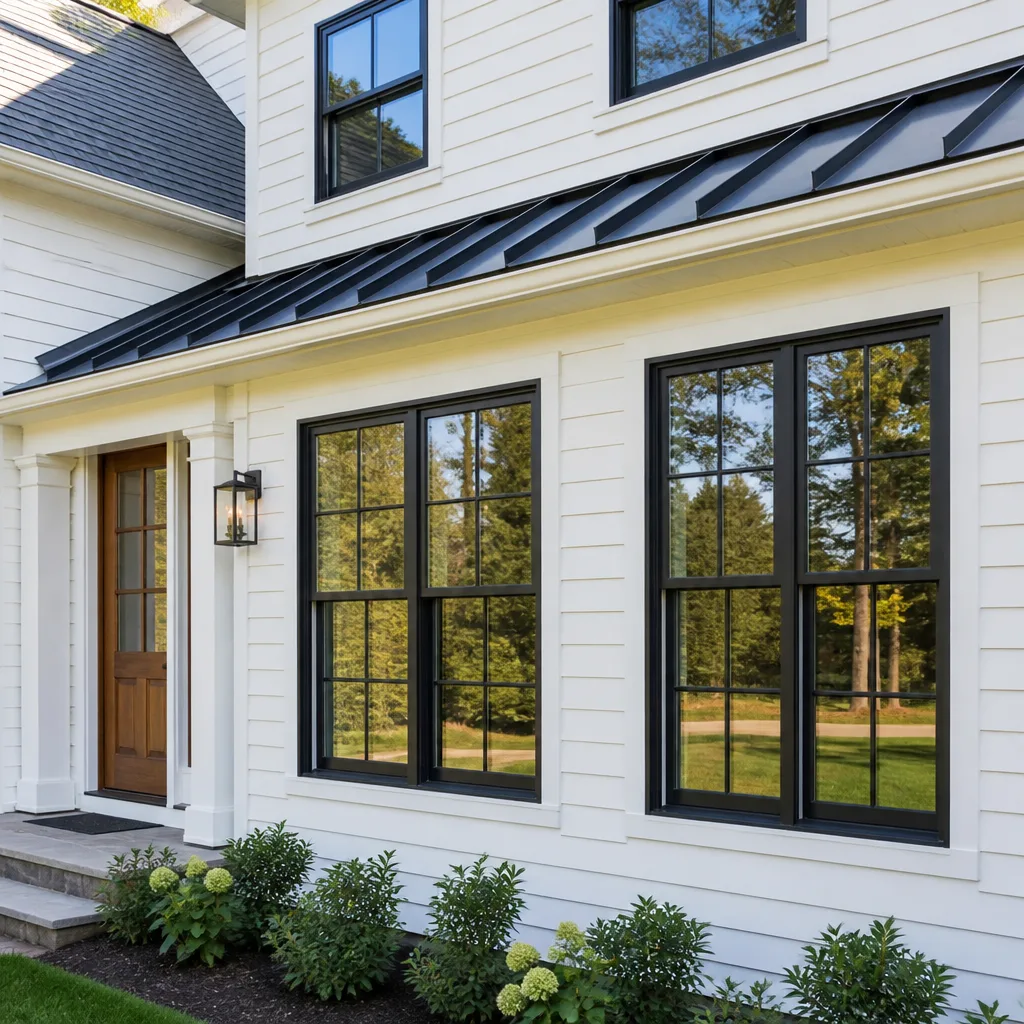
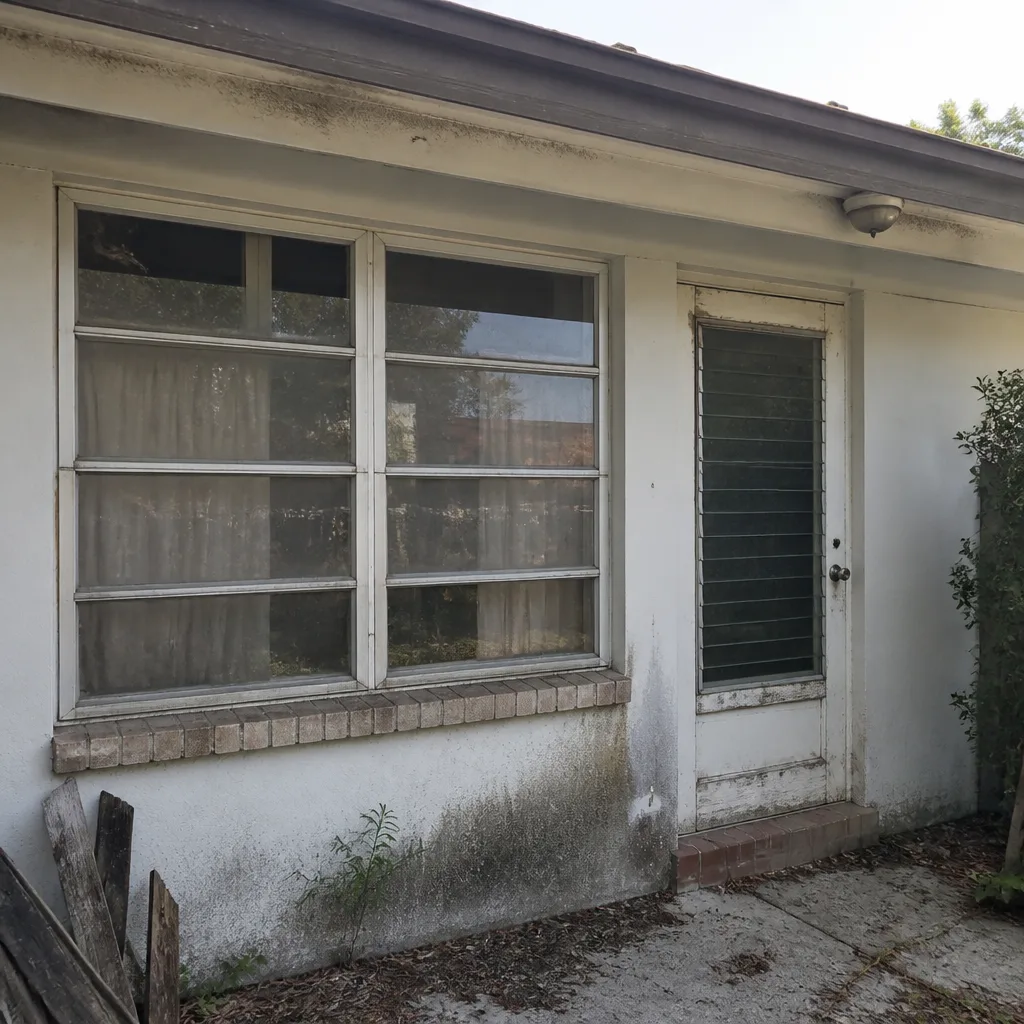 Before
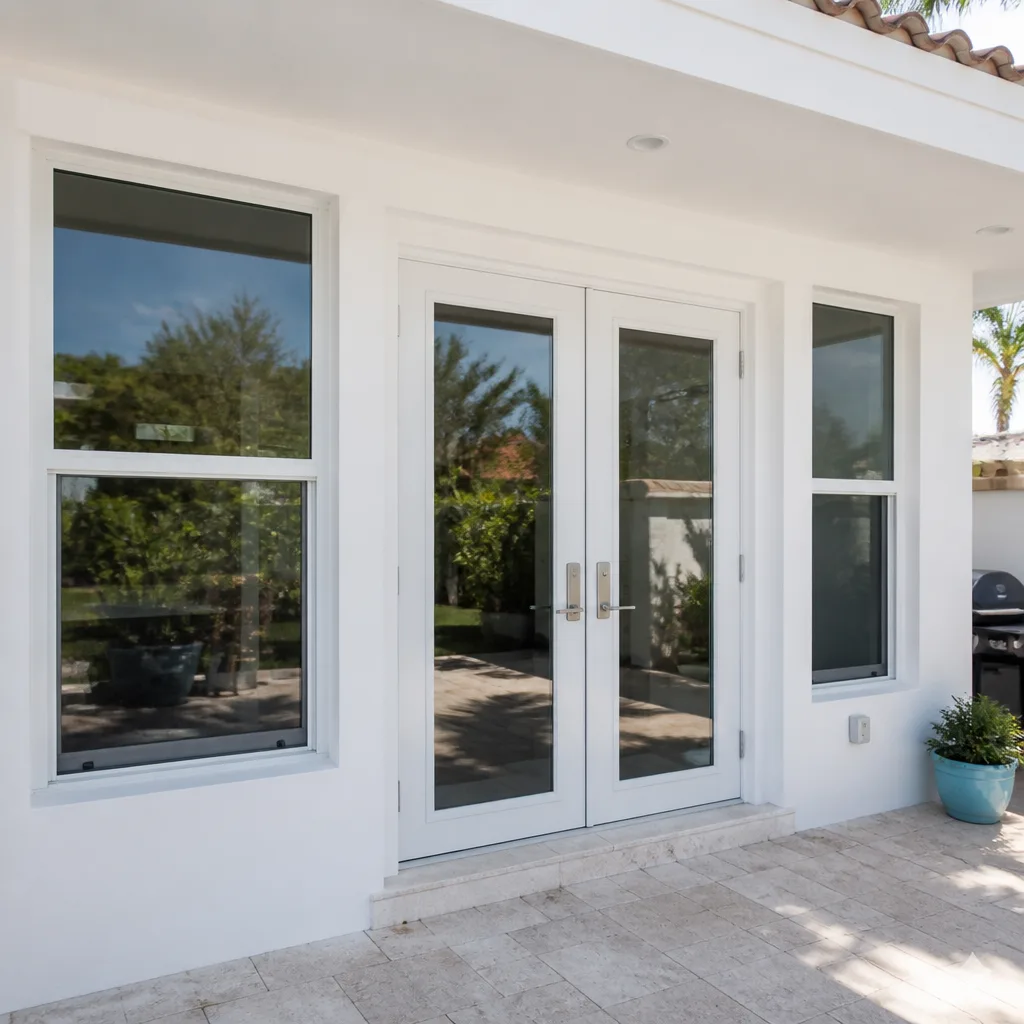 After
After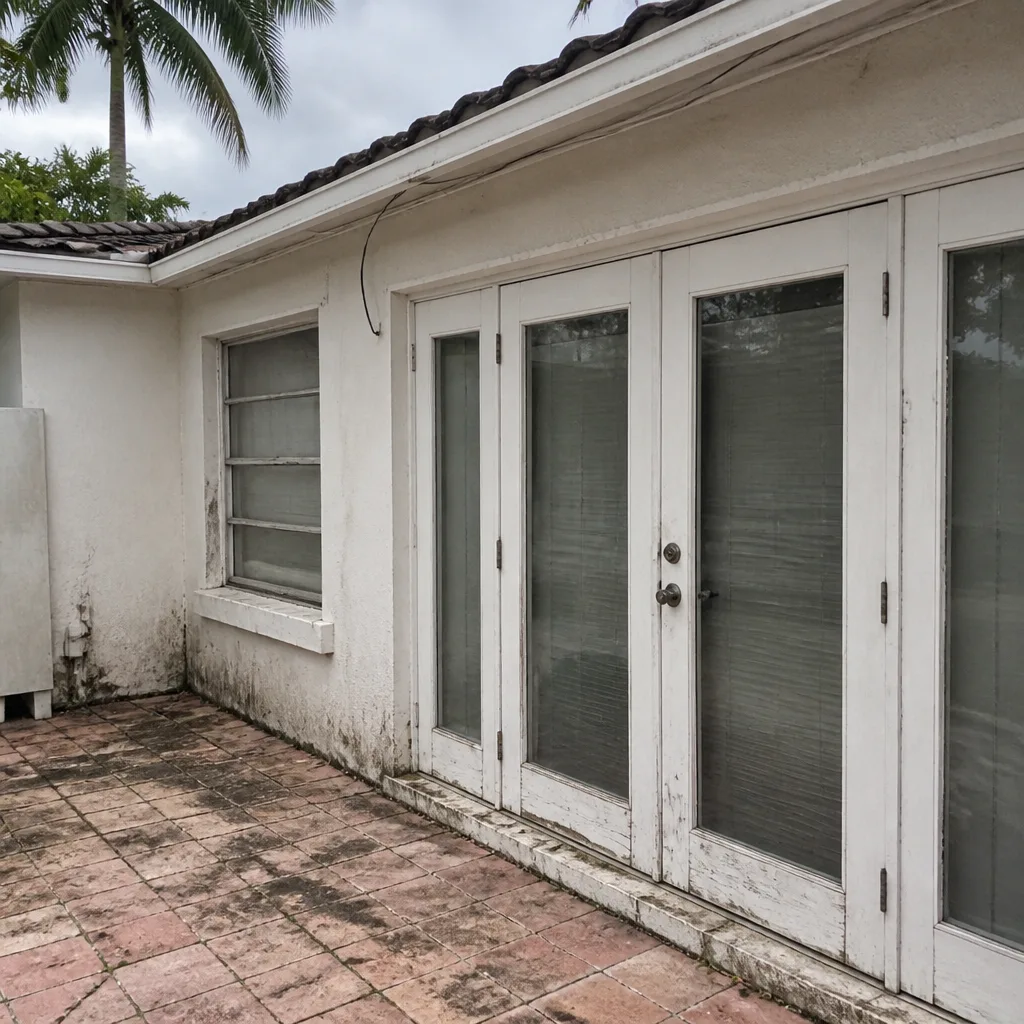 Before
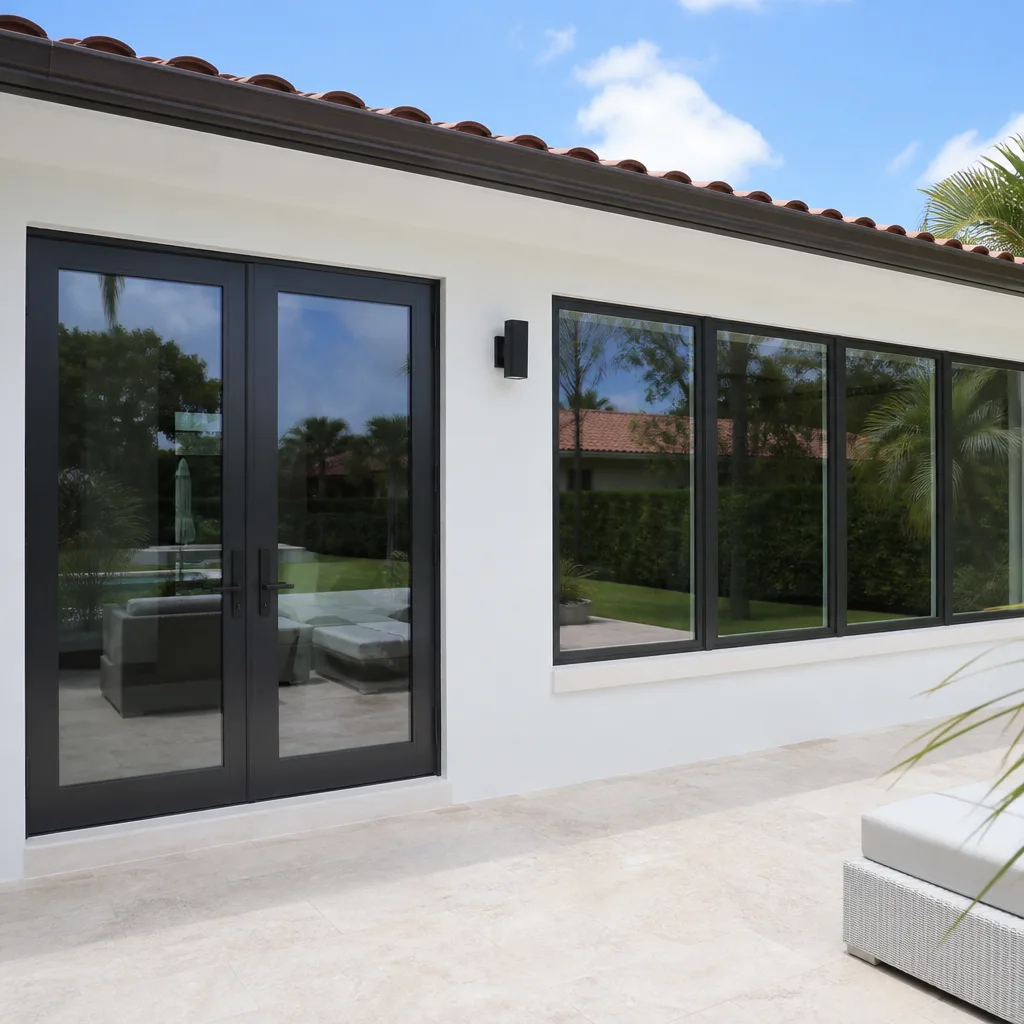 After
After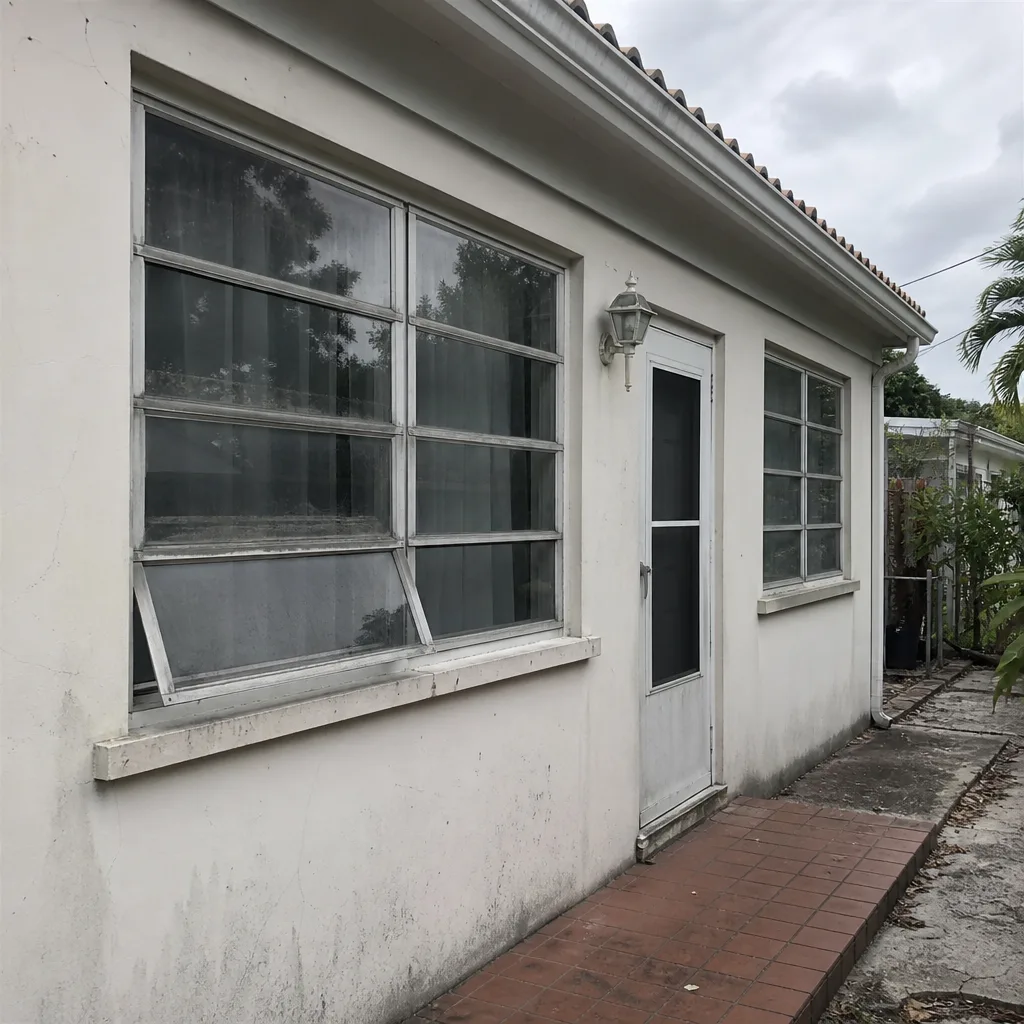 Before
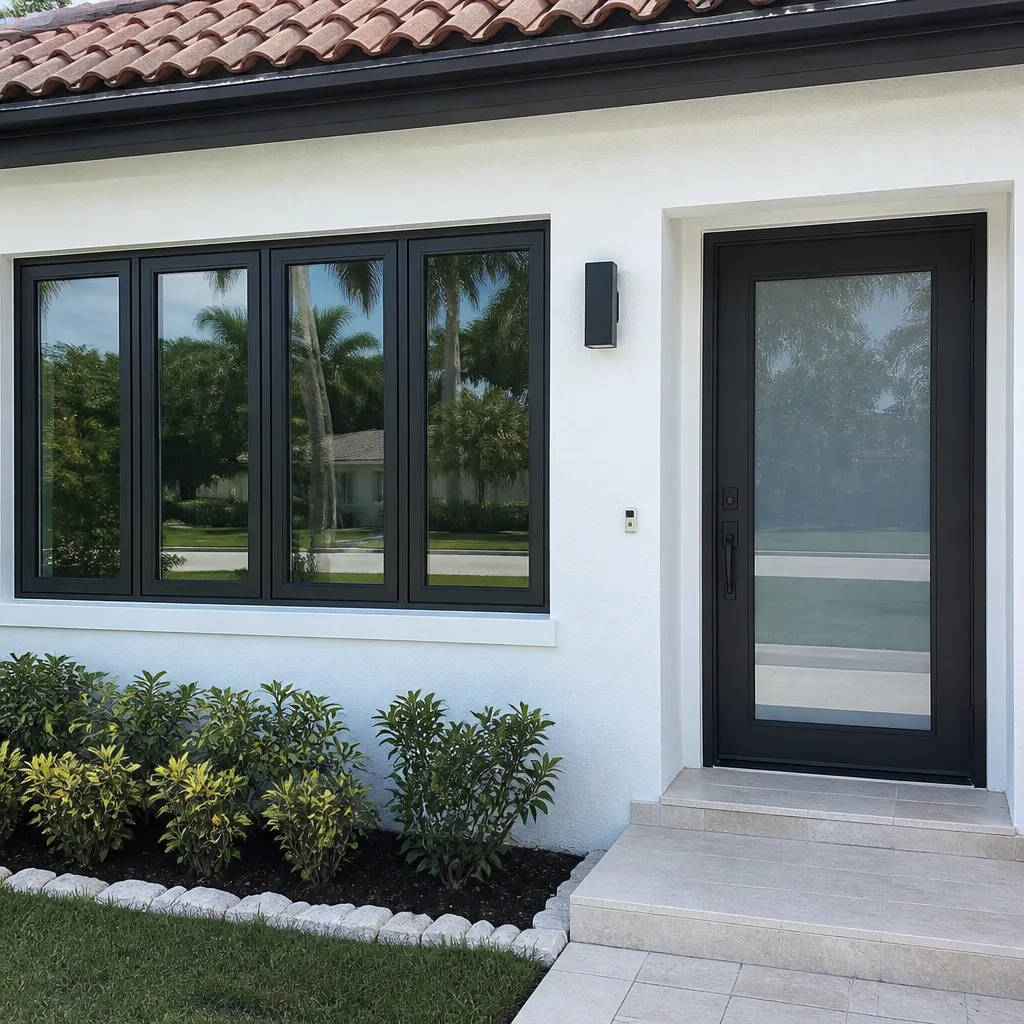 After
AfterSeasonal Windows & Doors Care for Miami Springs: Year-Round Homeowner’s Guide
Most Miami Springs homeowners don’t discover their impact windows and entry doors have real problems until the six weeks after hurricane season ends. November and December are when the damage shows up: the repeated pressure cycling from tropical systems loosens fasteners, separates seals, and fatigues hardware that looked perfectly fine in September. By the time spring arrives, a window that survived the storm starts whistling in the wind, and a door that held tight through October suddenly won’t latch in February. This guide maps window and door maintenance to the actual Miami Springs climate calendar, so you’ll know exactly what to check, when to check it, and why the timing matters more than most homeowners realize. For related reading, see our Windows & Doors Warning Signs: A Miami Springs Homeowner’s Reference Guide.
Quick Answer
Seasonal window and door care in Miami Springs comes down to two critical cycles: a June 1 pre-hurricane readiness check for impact-rated units and entry doors, and a more important October-to-November post-storm inspection that catches the damage tropical pressure cycling leaves behind. Between those anchors, Miami’s dry season from December through April is the right window for lubricating hardware, re-sealing thresholds, and addressing aluminum frame contraction. Call (239) 310-4121 if you find cracked seals, stiff hardware, or doors that won’t latch after a storm.
Table of Contents
- What Makes Miami Springs Different: The Real Seasonal Calendar
- June 1 Pre-Season Readiness Checklist for Impact Windows and Entry Doors
- Why the October-November Post-Storm Inspection Matters More
- Miami’s Dry Season: Aluminum Contraction, Hardware Lubrication, and Threshold Sealing
- West-Facing Windows, Mature Canopy Trees, and UV Degradation
- Month-by-Month Miami Springs Maintenance Calendar
- Impact Windows vs. Conventional Units: Why the Care Routine Differs
- Common Mistakes to Avoid
- When to Call a Professional
- Frequently Asked Questions
- The Bottom Line
What Makes Miami Springs Different: The Real Seasonal Calendar
Miami Springs doesn’t have four seasons. It has two threat cycles. The first runs from June 1 through November 30, and it’s defined by humidity, tropical weather, and pressure changes that push and pull on every window and door frame in the city. The second runs from December through May, when the air dries out, overnight temperatures drop into the 50s on occasion, and aluminum frames contract measurably. Homeowners who treat both cycles with the same generic “wipe the frames” advice they’d find on a national blog-or even on our own more guides & resources page without local context-end up with premature hardware failure, separated seals, and doors that bind in their frames.
We’ve worked on homes throughout Miami Springs since 2011, and the pattern is consistent. Homes near the golf course deal with different debris loads than homes south of Northwest 36th Street. Properties with mature oak and mahogany canopy get different UV exposure than homes on open lots. The care routine that works for a 1950s bungalow with original jalousie windows won’t be right for a 2005 home with PGT impact units. What follows is the calendar we use when we’re called out to assess window and door issues in Miami Springs, and it’s organized around what the weather actually does here, month by month.
A quick note before the checklists: every routine described below applies to windows and entry doors that are in good working order. If you have a window with a visible crack, a door with a bowed frame, or hardware that’s already binding, skip the maintenance and get an assessment first. Damaged units need repair before they need care. Winslow Windows & Doors offers free estimates across Miami Springs, and we’re happy to tell you what’s worth fixing and what’s worth replacing. See our Windows & Doors Cost Breakdown: The Miami Springs Homeowner’s Reference for 2026 for typical pricing before you call.
June 1 Pre-Season Readiness Checklist for Impact Windows and Entry Doors
June 1 marks the official start of Atlantic hurricane season, but in Miami Springs the preparation window actually opens in mid-May. What you’re checking for before the season is different for impact-rated windows and entry doors than it is for conventional units. Impact windows and doors are engineered to withstand wind-borne debris and pressure cycling, but they can only do that job if the fasteners, seals, and hardware are intact. Here’s the checklist we run on impact windows in Miami Springs before every hurricane season:
- Check every fastener on the frame perimeter. Impact windows are anchored to the rough opening with more fasteners than conventional units, and each one has a specific tension spec. Over time, daily thermal expansion and contraction can back them out a quarter turn or more. A loose fastener doesn’t look like much, but under sustained wind load it lets the frame flex, and that flex is what separates seals and cracks glass. Use a torque driver where accessible, or have a technician check them if you’re not comfortable working on a ladder.
- Inspect the interlock on horizontal sliders. Miami Springs has a lot of horizontal sliding windows, and the center interlock is the seam where the two sashes meet. This seam is the single most common point of air and water infiltration on impact sliders. Run your finger along the interlock with the window closed; if you feel a gap wider than a playing card, the weatherstripping or the interlock profile itself needs attention.
- Test the weep holes and drainage channels. Impact windows have weep holes at the bottom of the frame to drain water that gets past the first weather seal. If those holes are clogged with dirt, pollen, or insect nests, water backs up inside the frame and corrodes the hardware from the inside out. A bent paperclip or a blast of compressed air clears most clogs. Do this on every window, not just the ones facing the street.
- Exercise every entry door’s multi-point locking system. Impact-rated entry doors use multi-point locks that throw bolts at the top, bottom, and center of the door when you turn the deadbolt. If the door is even slightly out of adjustment, only the deadbolt engages and the other points bind. Close the door, lock it, and listen for the distinct click of each point engaging. If you hear one click instead of three, the door needs adjustment.
- Check the silicone sealant around the exterior perimeter of every frame. The sealant bead where the window or door frame meets the stucco or block wall is the last line of defense against wind-driven rain. Miami Springs sun breaks down silicone over time, and a bead that looks fine from the ground may be cracked and lifting at the top corners. Run a visual check with a ladder or have a professional do it.
- Verify that any removable mullion or transom is stored and accessible. Some Miami Springs homes have multi-panel door systems with a removable mullion. If you have one, make sure it’s not buried in the garage behind the holiday decorations. When a storm warning goes up, you won’t have time to find it.
We recommend running through this checklist in the last two weeks of May. It takes most homeowners under an hour, and it identifies the small issues before they become storm-season failures. If you find something that doesn’t look right, call us at (239) 310-4121. We’d rather catch a loose interlock in May than replace a water-damaged frame in October.
Why the October-November Post-Storm Inspection Matters More
Here’s the thing most Miami Springs homeowners don’t realize: the pre-season checklist is about preparation, but the post-storm inspection is about catching real damage. Hurricane season in Miami is not a single event; it’s a six-month accumulation of pressure cycling, wind loading, and rain exposure. Even if no storm makes landfall within fifty miles, the outer bands of tropical systems push and pull on your windows and doors dozens of times between June and November. Each cycle is a stress test, and the failures don’t always show up immediately.
The six weeks after hurricane season ends, November and December, are when we get the most calls in Miami Springs. A homeowner notices a window that suddenly won’t close all the way, or a door that scrapes the threshold when the temperature drops, or a faint whistle near the corner of the bedroom slider. These are the delayed symptoms of pressure loading that separated a seal or loosened a fastener during the season. The window looked fine in October, but the damage was already done, and the first cold front of the dry season is what made it visible.
Here’s what to look for after sustained tropical wind exposure, even if your windows and doors are impact-rated:
- Glass that wiggles in the frame. Press gently on the center of each pane from the inside. Impact glass is laminated, so it won’t shatter, but a pane that moves independently of the frame means the glazing seal has separated and the unit is no longer performing to spec.
- Doors that latch differently than they did in June. Wind loading can bow a door slab or shift the frame by millimeters. A door that latched cleanly in June and now requires a shove is telling you something changed. Don’t ignore it.
- Water staining or efflorescence at the bottom corners of frames. Efflorescence is the white, chalky mineral deposit that appears when water seeps through masonry or sealant and evaporates. If you see it on the inside of a window or door frame after the season, the exterior seal failed during a storm and water got in.
- Rollers that stick or grind on sliding doors. Miami Springs has a lot of sliding glass doors, and the rollers are the unsung workhorses of the house. Storm debris, sand, and salt spray get into the track and grind down the roller bearings. A slider that used to glide and now takes two hands to move needs roller attention before the track itself wears out.
- Hardware that feels loose. Grab the handle on every window and door and try to move it up, down, and side to side. Play in the handle often means the internal linkage has loosened from wind vibration. It’s a quick fix if caught early, a full hardware replacement if ignored.
We offer free second opinions on written estimates, and when a Miami Springs homeowner calls us in November with a window that “just started acting up,” the first thing we do is walk the entire house with them. The window they noticed is rarely the only one with an issue, and the post-storm inspection is the time to catch all of it at once.
Miami’s Dry Season: Aluminum Contraction, Hardware Lubrication, and Threshold Sealing
From December through April, Miami Springs shifts from humid tropical air to drier, cooler conditions. The average humidity drops from the mid-80s to the mid-60s, and overnight lows can dip into the 50s. For most of the country, that’s not a big deal. For aluminum window and door frames, which are common on Miami Springs homes, it’s a meaningful change. Aluminum expands and contracts with temperature at roughly twice the rate of vinyl, and the dry-season temperature swing is enough to change the dimensions of a frame by a visible amount.
What that means practically: the dry season is when aluminum frames contract, and that contraction is what makes hardware bind, thresholds gap, and weatherstripping loosen. The window that worked fine in August suddenly sticks in January, not because something broke, but because the frame got smaller and the sash is now riding against a tighter opening. This is the right window of the year to address those issues, because you’re working with the material’s natural movement rather than against it.
Here’s the dry-season maintenance routine we recommend for Miami Springs homeowners:
- Lubricate all moving hardware in December or January. Window cranks, slider rollers, door hinges, and multi-point lock mechanisms all benefit from a dry silicone lubricant. Do not use WD-40; it attracts dust and gums up over time. A dry silicone spray leaves a clean film that doesn’t collect Miami Springs pollen. One pass per hardware point, once per dry season, is enough.
- Check and re-seal thresholds on every exterior door. The gap between the bottom of the door and the threshold changes as the frame contracts. If the sweep or threshold seal is compressed, replace it. If the gap is uneven from side to side, the door itself may need adjustment. A properly sealed threshold keeps conditioned air in and Miami Springs’ spring humidity out.
- Inspect weatherstripping around every window and door. The dry season’s lower humidity causes rubber and foam weatherstripping to shrink and harden. Run your hand around the perimeter of each closed window and door; if you feel air movement, the weatherstripping is done. Replacing it is one of the lowest-cost, highest-return maintenance tasks on the list.
- Clean and reapply sealant at exterior joints where the dry air has exposed cracks. The same contraction that affects frames affects the sealant beads around them. A bead that looked continuous in October may show hairline cracks by February. Clean the joint and apply a fresh bead of exterior-grade silicone.
- Adjust door strike plates for the contracted frame geometry. If a door latches hard in January but was fine in September, the frame has contracted just enough to move the strike plate out of alignment. A small adjustment, typically a millimeter or two, restores the clean latch and prevents the door from being slammed against a misaligned plate all spring.
One more dry-season note specific to Miami Springs: the winter months are when we get the most calls about condensation on windows. The phenomenon is counterintuitive to a lot of homeowners. Condensation on the interior of a window is not a window failure; it’s the window doing its job, keeping warm moist interior air from escaping. But if you see condensation between the panes of a double-glazed unit, that’s a seal failure, and it has nothing to do with the season. Between-the-panes fog is a manufacturing or installation issue, and it warrants a professional assessment. Our window installation team in Miami Springs sees this on older units more than homeowners would guess.
West-Facing Windows, Mature Canopy Trees, and UV Degradation
Miami Springs is a city of mature trees. The canopy is part of what makes the community feel the way it does, and it also has a direct effect on how windows and doors age. West-facing windows catch the strongest afternoon sun in Miami Springs, and the intensity of that exposure is different depending on whether the window is shaded by a live oak, a mahogany, or nothing at all. The tree canopy isn’t just shade; it changes the UV load on the window frame and the glass, and it changes the temperature differential the frame experiences during the daily cycle.
Here’s what we’ve seen consistently across Miami Springs: aluminum frames handle UV exposure better than vinyl in the long run, but vinyl handles salt air better than aluminum. If you have west-facing vinyl windows on an open lot, the UV is beating on the frame every afternoon, and the vinyl will start to chalk and fade faster than shaded vinyl. The chalking isn’t just cosmetic. It’s the surface layer of the vinyl breaking down, and once that layer goes, the frame gets brittle at the corners where stress concentrates. Shaded vinyl, the units on the east side under a big oak, will last noticeably longer.
Aluminum frames on west-facing windows don’t chalk the way vinyl does, but they have their own degradation path. The finish, whether it’s anodized or painted, breaks down under Miami Springs’ UV load and starts to pit. Pitting isn’t structural on its own, but it gives corrosion a foothold, and that’s the real problem. Once the finish is compromised, Miami’s humid season does the rest.
What homeowners can do about west-facing UV exposure:
- Inspect the finish on west-facing frames every April. That’s the end of the dry season, when the effects of the strongest sun are most visible. Look for chalking on vinyl, pitting on aluminum, and fading on any painted surface. Catch it early and a re-coating or touch-up is an afternoon job. Ignore it and the frame starts to fail at the corners within a few seasons.
- Keep glass clean, especially on west-facing units. Dirt and salt film on the glass act like a magnifier, intensifying UV absorption and heating the unit unevenly. Clean glass also lets Low-E coatings do their job, which reduces the heat load on the frame itself.
- Check the perimeter sealant on west-facing windows more often than east-facing ones. The thermal cycling on the west side is more extreme, and the sealant breaks down faster. Twice a year, minimum, for west-facing; once a year is plenty for east-facing.
- Consider impact-rated replacements for aging west-facing units. If a west-facing window is already chalking, pitting, or fogging, replacement time is coming regardless of maintenance. When the time comes, the investment in window replacement in Miami Springs pays back faster on the west side, because those are the windows that carry the heaviest solar load.
Month-by-Month Miami Springs Maintenance Calendar
Here’s the full calendar, compressed into what to do each month. It’s built around Miami Springs weather patterns, not generic seasonal advice. Use it as a reference and you’ll stay ahead of the failures instead of reacting to them.
January: Dry season is at its peak. Lubricate every piece of window and door hardware with dry silicone. Check weatherstripping for shrinkage; replace anything compressed or cracked. Inspect thresholds and adjust door strike plates for contracted aluminum frames. This is the single best month for hardware maintenance, because the air is dry and the metal has fully contracted.
February: Condensation season. Watch for fogging between double-pane glass; it indicates a failed seal. Check silicone sealant beads around exterior perimeters for hairline cracks from dry-season contraction. Clean the weep holes at the bottom of window frames. Test multi-point locks on entry doors and listen for full engagement.
March: The spring transition. Temperatures start climbing and humidity returns. Test every window’s operation: open, close, lock, unlock. Stiff operation in March often means the frame is expanding again and a minor adjustment now prevents summer sticking. Inspect roller tracks on sliders and clear accumulated winter dust.
April: Pre-humidity sealant month. Miami Springs humidity starts creeping back up, and this is the last good window to address exterior sealant before the wet season. Inspect west-facing frames for UV damage: chalking on vinyl, pitting on aluminum. Re-caulk any open exterior joints. Verify all drainage paths are clear.
May: Hurricane prep month. Run the full June 1 checklist described above. Check fastener torque on impact unit frames, test interlocks on sliders, exercise entry door multi-point locks, verify removable mullions are accessible, and inspect all exterior sealant from a ladder. If anything looks questionable, call for a professional assessment before the season starts.
June: Season opens. Verify every window and door in the house closes and locks from the inside. Know where your shutters or panels are if you have them as backup for non-impact units. Check that all exterior doors have functional weatherstripping at the threshold. Review your evacuation plan, because windows and doors are one part of storm readiness, not the whole thing.
July: Peak humidity. Check for interior condensation on window glass in the morning; persistent condensation on single-pane units is a sign of indoor humidity problems, not window failure. Watch for signs of water intrusion at the bottom corners of frames after heavy afternoon thunderstorms. Clean weep holes again if needed.
August: The hottest month. Check west-facing doors for binding; aluminum expands in the heat and doors that fit perfectly in February may drag. If a door starts scraping the threshold in August, don’t force it. A simple threshold adjustment solves the problem until the weather cools and the frame contracts again.
September: Peak of hurricane season. Run a mid-season check: every window still locks, every door still latches all locking points, no new water stains. After any tropical system passes within 100 miles, do a quick walk-around even if there’s no visible damage. The pressure cycling alone is enough to start separating old seals.
October: Season starts winding down, but the damage from the whole season is now in place. Begin the post-storm inspection described above. Check for glass wiggle, latch changes, efflorescence, sticky rollers, and loose hardware. Any issue you find now is easier to fix in the dry season than it will be in a summer lightning storm.
November: Complete the post-storm inspection if you haven’t. This is the month when most Miami Springs window and door failures are discovered. Schedule any needed repairs or replacements now, because the dry-season installation window is open and the crew schedules are more flexible than they will be in May.
December: Reset for the dry season. Lubricate hardware again if you’re on a twice-a-year schedule. Verify threshold seals on all exterior doors. Plan any Winslow Windows & Doors home service work you anticipate needing before the following hurricane season, because the best installation weather in Miami Springs is December through April.
Impact Windows vs. Conventional Units: Why the Care Routine Differs
Not every home in Miami Springs has impact windows, and that’s fine. But the care routine is meaningfully different depending on what’s installed. Impact units have stronger frames, laminated glass, and more demanding fastener specifications. Conventional units, including older single-pane and standard double-pane windows, can’t take the same wind loads and need a different kind of storm preparation.
If you have conventional windows: your storm protection is external. Shutters, panels, or plywood need to be in place before a storm, and the windows themselves need to be in good enough condition to hold up behind that protection. The pre-season checklist still applies. The hardware, the sealant, the weatherstripping all matter. But the loading scenario is different. A conventional window behind a panel is not absorbing wind pressure the way an impact unit is, so the failure mode is more about water intrusion at the frame perimeter than about glass or interlock failure.
If you have impact windows: the window is the storm protection. That means the fasteners, the interlocks, the sealant, and the drainage all have to be in near-spec condition, because they’re the ones doing the work when the wind hits. This is why the pre-season fastener check matters so much more for impact units, and why the post-storm inspection is more likely to turn up meaningful findings.
We install impact windows from PGT, CGI, and other premium manufacturers across Miami Springs, and we tell every customer the same thing: impact windows are not maintenance-free. They’re lower-maintenance than conventional units paired with shutters, but they still need seasonal attention. The good news is that the maintenance is mostly inspection: look at the fasteners, check the interlocks, test the drainage, verify the sealant. The bad news is that skipped inspections are what turns a minor seal repair into a full unit replacement.
Common Mistakes to Avoid
- Skipping the post-season inspection because “nothing happened.” Hurricane season doesn’t need a named storm to stress your windows and doors. Six months of repeated pressure cycling from distant systems does real damage, and it shows up in November whether a storm hit Miami Springs or not.
- Using WD-40 on window and door hardware. WD-40 is a penetrating oil, not a lubricant, and it leaves a sticky film that collects Miami Springs dust and pollen. Dry silicone is the right product for window cranks, slider rollers, and lock mechanisms.
- Painting over failing exterior sealant instead of replacing it. Paint doesn’t seal; it just hides the failure for a season. A cracked sealant bead needs to be cut out, cleaned, and replaced with exterior-grade silicone, or water will find its way in during the next heavy rain.
- Assuming impact windows never need fastener checks. Impact windows are stronger, but their fasteners still work loose over time from daily thermal cycling. Every May, check them. Loose fasteners are the single most common finding on our pre-season inspections in Miami Springs.
- Ignoring a door that latches fine in summer but binds in winter. This is the signature of aluminum frame thermal movement, and it’s normal. What’s not normal is leaving it unadjusted. A door that binds all winter is slowly damaging its own hardware and frame, and the repair cost grows with every month it’s ignored.
- Waiting until May to schedule a window or door replacement. The best installation weather in Miami Springs is December through April. If a unit is failing, scheduling replacement during hurricane season guarantees weather delays and a scramble for crew availability. Start the conversation early.
- Checking only the windows you can see from the ground. The top corners of window and door frames are where sealant fails first, and they’re invisible from the ground. If you’re not comfortable on a ladder, have a professional do the full-perimeter check. It’s the difference between catching a seal failure early and discovering it as a water stain on the ceiling.
When to Call a Professional
Most of the maintenance in this guide is homeowner-accessible, but there are points where a professional assessment beats a DIY fix. Call a professional if you find glass wiggling independently in an impact frame, if a multi-point door lock won’t engage all of its points, if you see efflorescence or water staining inside the frame, if a window or door binds so badly it can’t be opened or closed, or if between-the-panes fogging indicates a failed seal. These are the symptoms of structural or mechanical problems, and they don’t fix themselves. Winslow Windows & Doors offers free estimates in Miami Springs, call (239) 310-4121, and we’ll tell you honestly what’s repairable and what’s past saving. We’ve been doing this locally since 2011, and Ed Winslow’s name is on the door, and on every job we do.
Frequently Asked Questions
Twice a year is right for most Miami Springs homes: once in December or January when the dry season has fully set in, and once in June or July when the humidity is at its peak. Use a dry silicone lubricant on window cranks, slider rollers, door hinges, and multi-point lock mechanisms. Call (239) 310-4121 if you’re not sure what product to use or how to reach a particular hardware point.
Yes. Impact windows need a fastener check, an interlock inspection on sliders, a weep hole cleaning, and a full perimeter sealant review before June 1. These are the components that carry the wind load, and a small deficiency in any of them undermines the unit’s storm performance. A professional pre-season inspection takes about an hour and catches most issues before they become failures.
Aluminum frames expand in Miami’s summer heat and contract in the winter dry season. A door that fits perfectly in August can bind in January because the frame has contracted and the door is now riding against a tighter opening. This is normal thermal movement, not a defect, and the fix is usually a simple threshold or striker adjustment during the dry season.
Check for glass wiggle in the frame, doors that latch differently than they did before the storm, water staining or efflorescence at frame corners, slider rollers that stick or grind, and handles that feel loose. These are the delayed symptoms of pressure cycling from the storm, and they’re the most common post-storm findings on Miami Springs homes.
A failed glazing seal on an impact window in Miami Springs typically costs $150 to $400 to repair, depending on the unit size and whether the sash needs to be removed and re-glazed in the shop. A full weatherstripping replacement on an entry door runs $75 to $200. Call (239) 310-4121 for an exact quote on your specific units; estimates are free, and Winslow offers a permanent $40 discount on any repair over $200.
Yes. West-facing windows catch the strongest afternoon sun and degrade faster than east-facing units. Inspect the finish on west-facing frames twice a year for chalking on vinyl or pitting on aluminum, check the perimeter sealant more often, and keep the glass clean so Low-E coatings can do their work. If a west-facing window is already showing serious finish deterioration, replacement planning should start sooner rather than later.
The Bottom Line
Miami Springs windows and doors face a specific set of challenges: six months of tropical pressure cycling, a dry season that contracts aluminum frames, intense west-facing UV, and a mature tree canopy that changes the solar load from house to house. The maintenance calendar in this guide maps each task to the actual weather pattern that drives it, and following it will extend the life of your windows and doors by years. When something does need professional attention, Winslow Windows & Doors has been serving Miami Springs since 2011, with free estimates, live 24/7 phone answering, and a Done Right Promise that means every job is done right or we make it right. Call (239) 310-4121 to schedule your free estimate. The one down the road.
Written by Ed Winslow, Owner at Winslow Windows & Doors, serving Miami Springs since 2011.
Six Reasons Homeowners Choose Winslow Windows & Doors
Impact systems engineered to design pressures up to +/-100, matched to your wind zone - your openings hold when the storm arrives.
Low-E insulated impact glass from our manufacturer lines commonly cuts monthly cooling bills 20-30%.
Laminated impact glass shuts out up to 40% of outside noise - traffic, neighbors, weather.
Monitoring services run $30-90 a month. Laminated impact glass resists forced entry around the clock, with no subscription.
Florida homeowners average around 25% savings on the windstorm portion of their policy after protecting every opening - some homes qualify for more.
A full impact package upgrades curb appeal, buyer confidence and appraised value in one project.