
Last updated August 27, 2026
Free in-home measure and quote - PGT, CGI and CWS impact lines compared on your actual openings, style by style
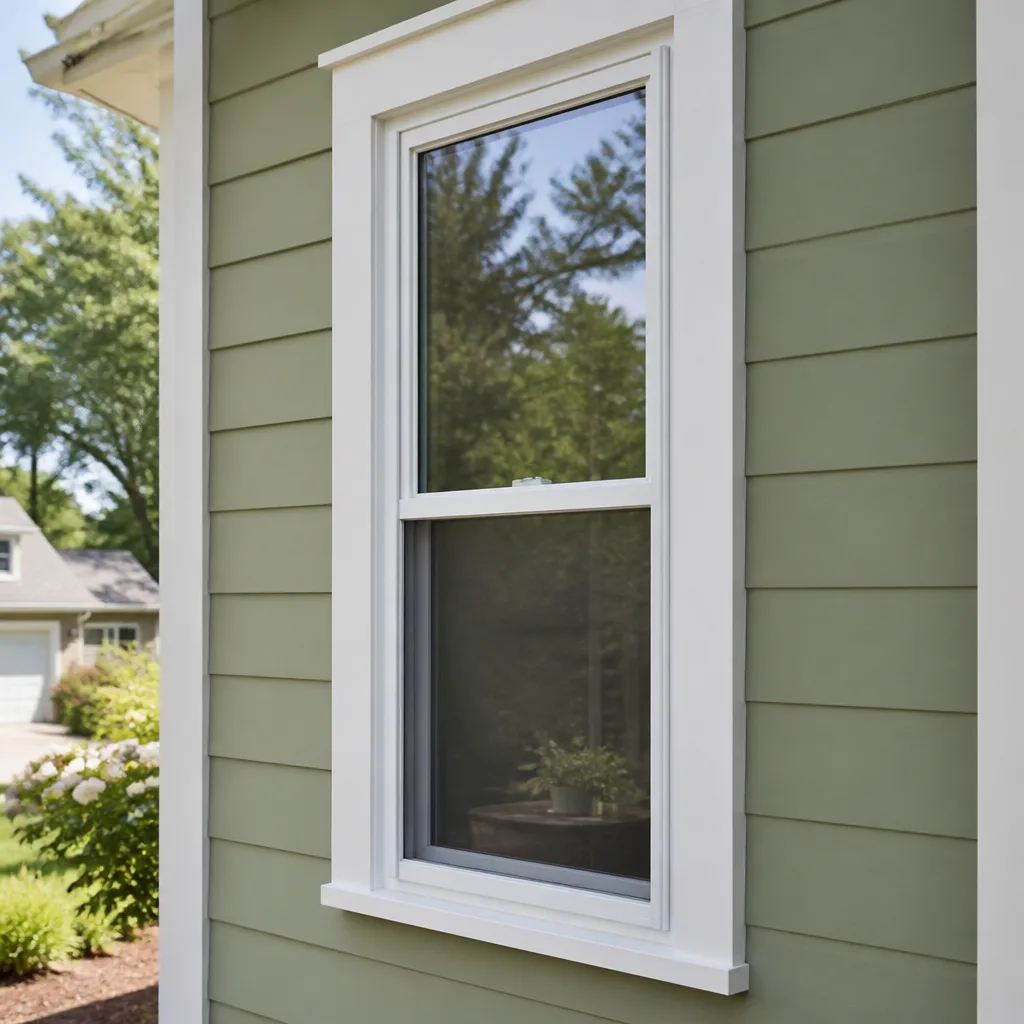
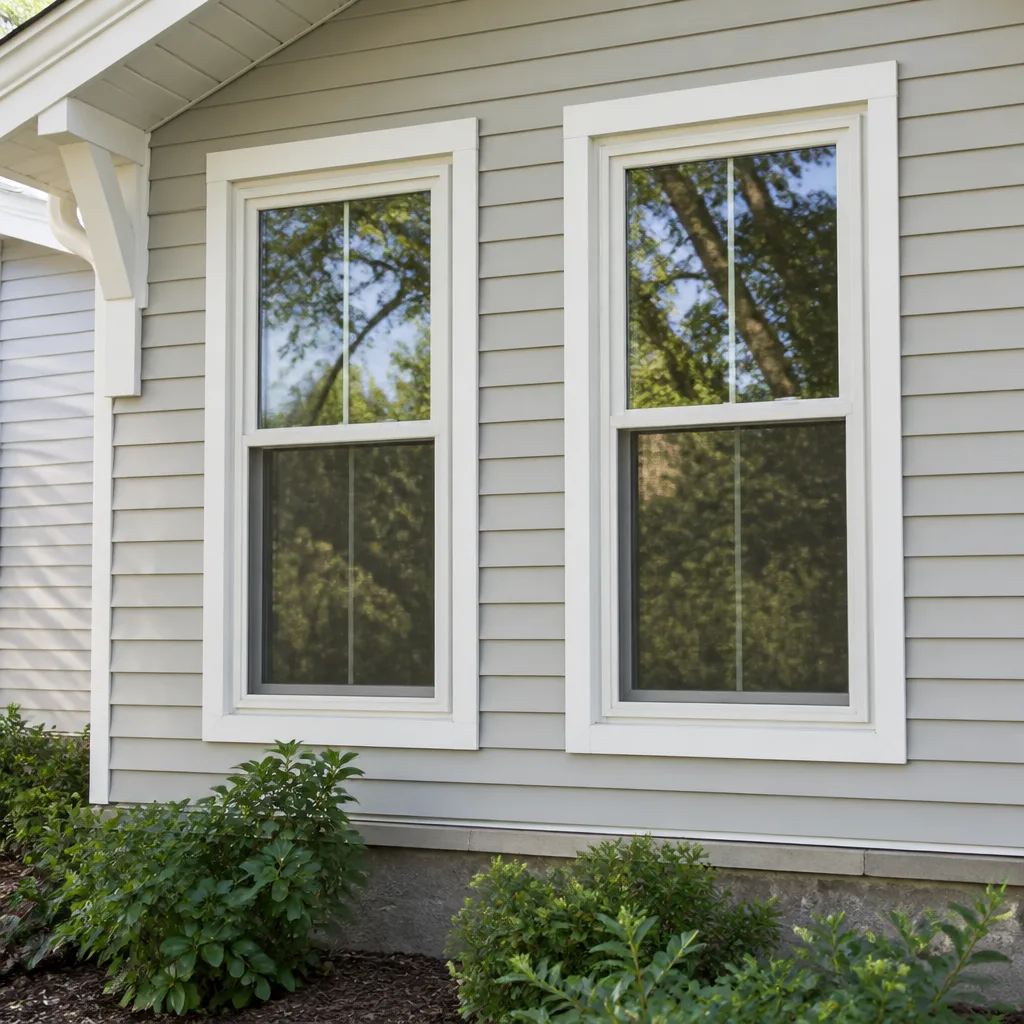
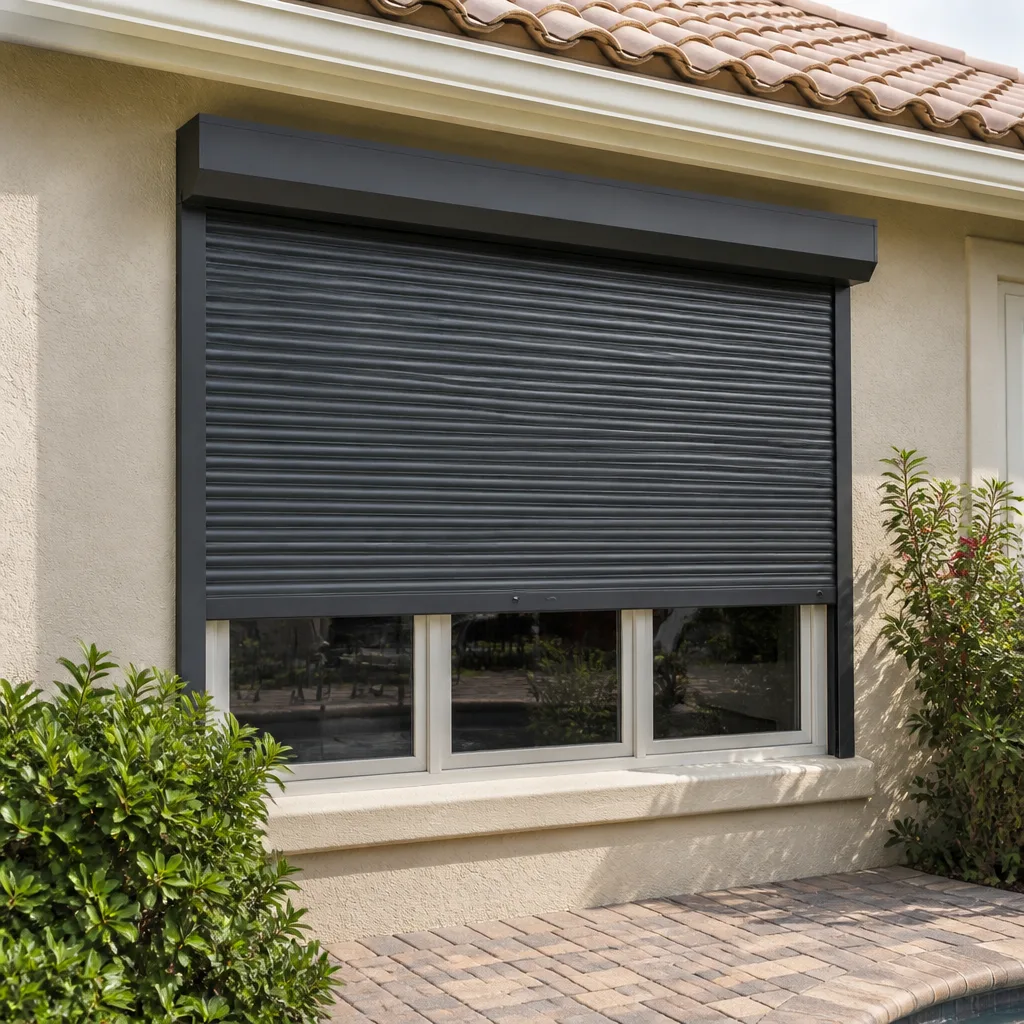
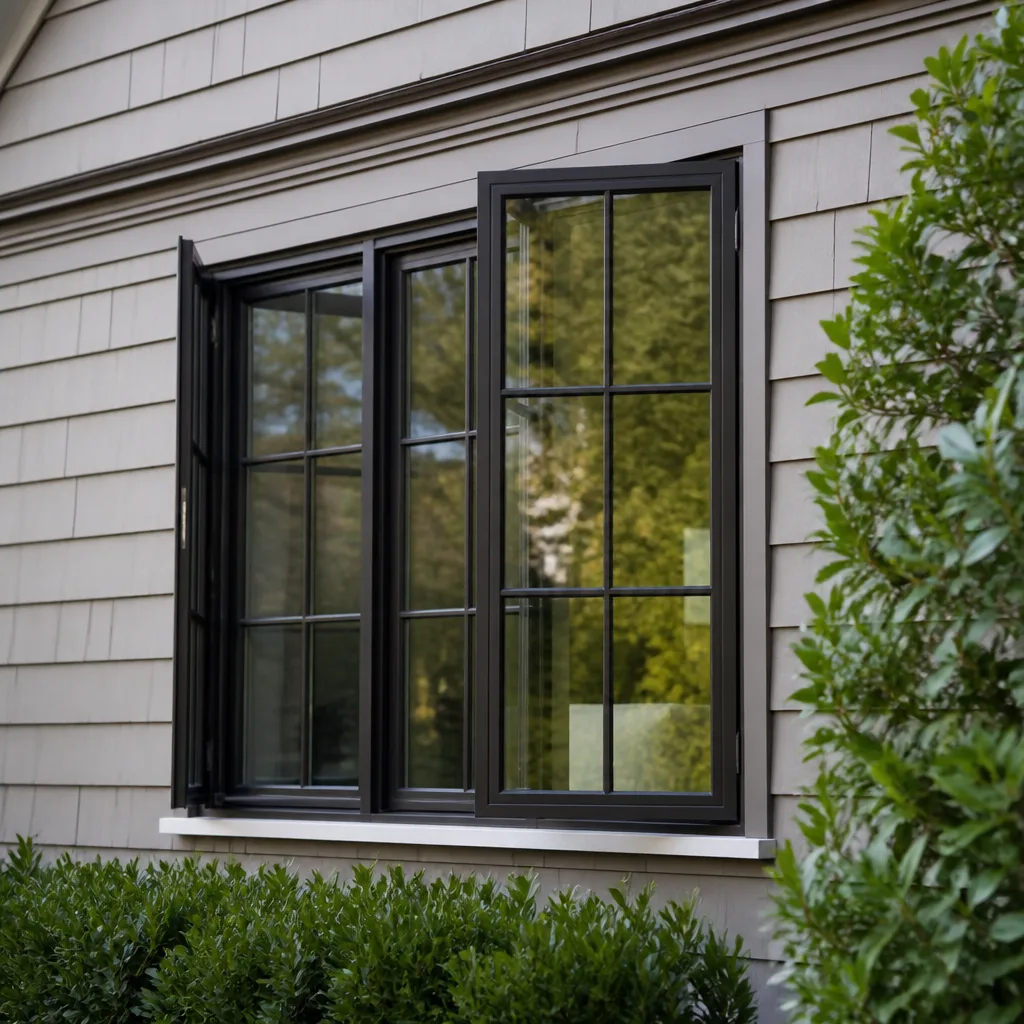
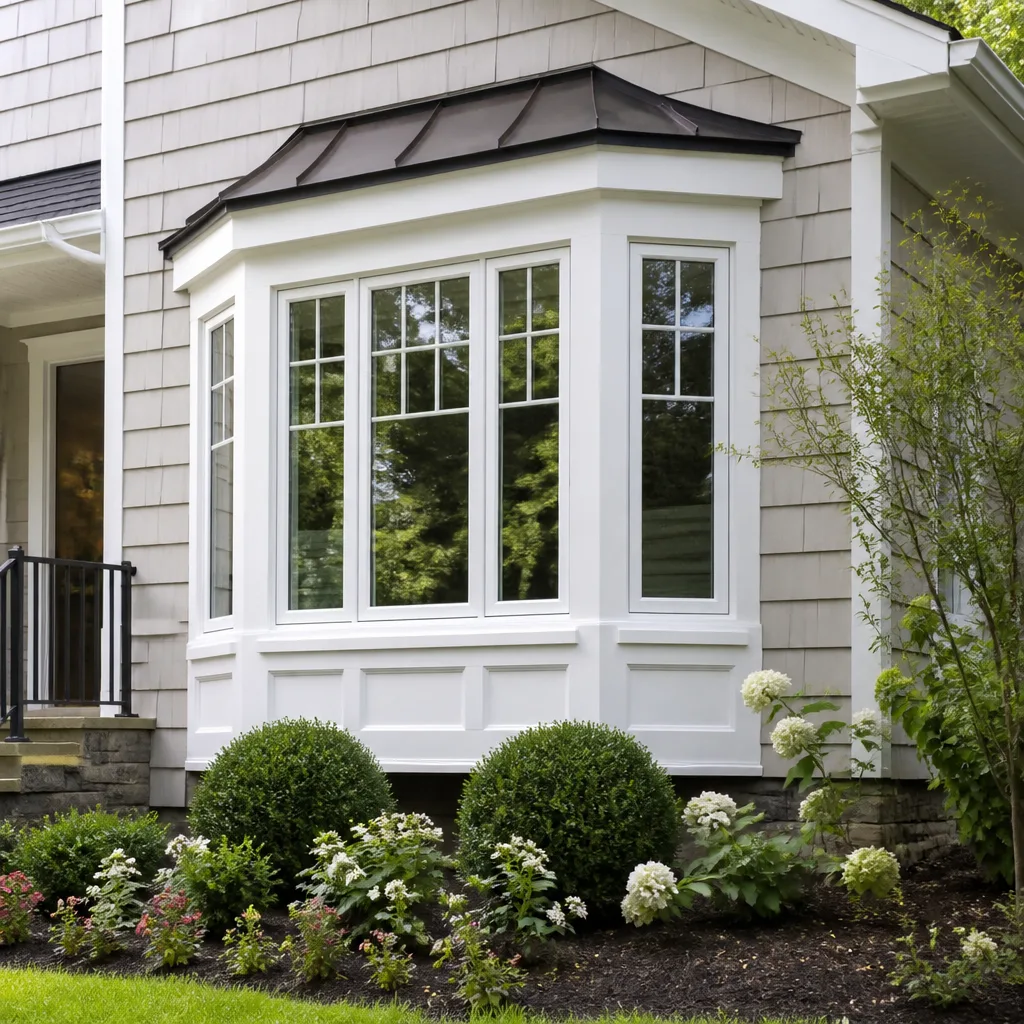
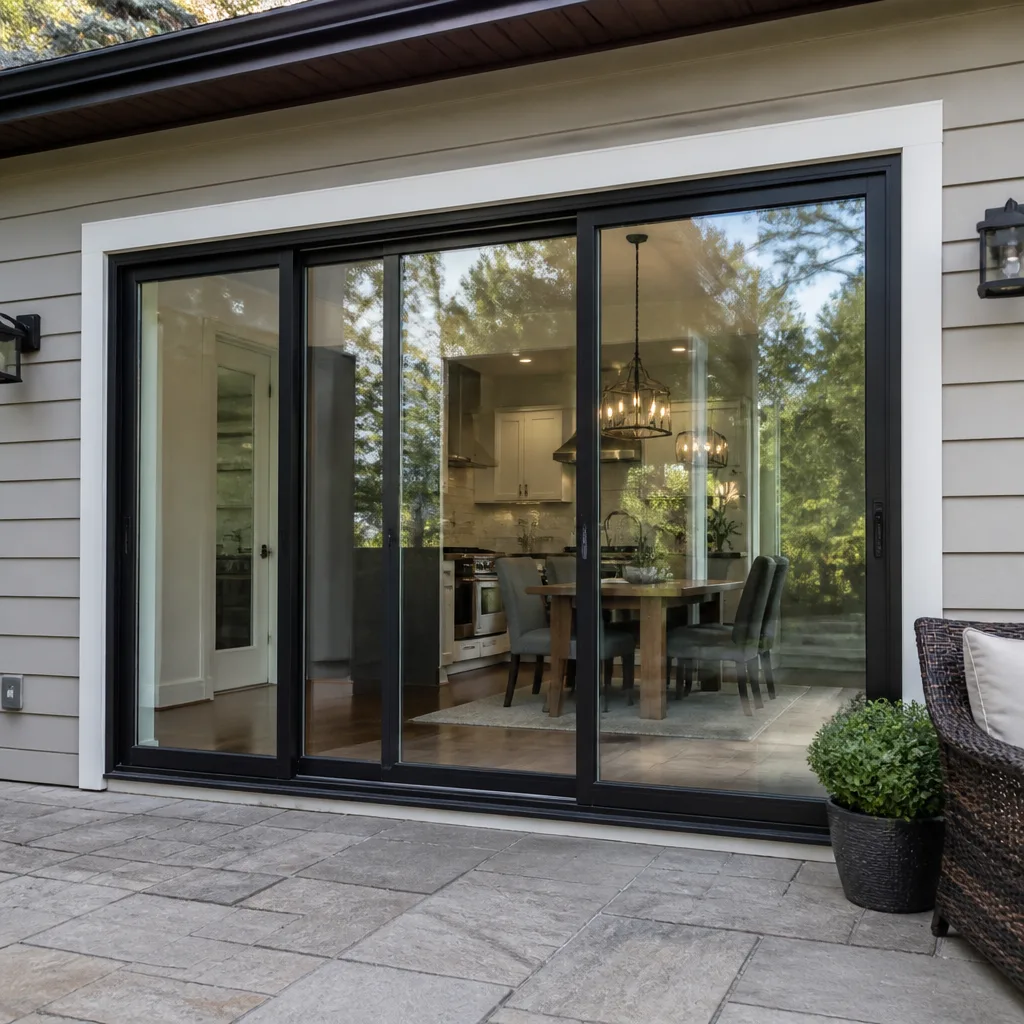
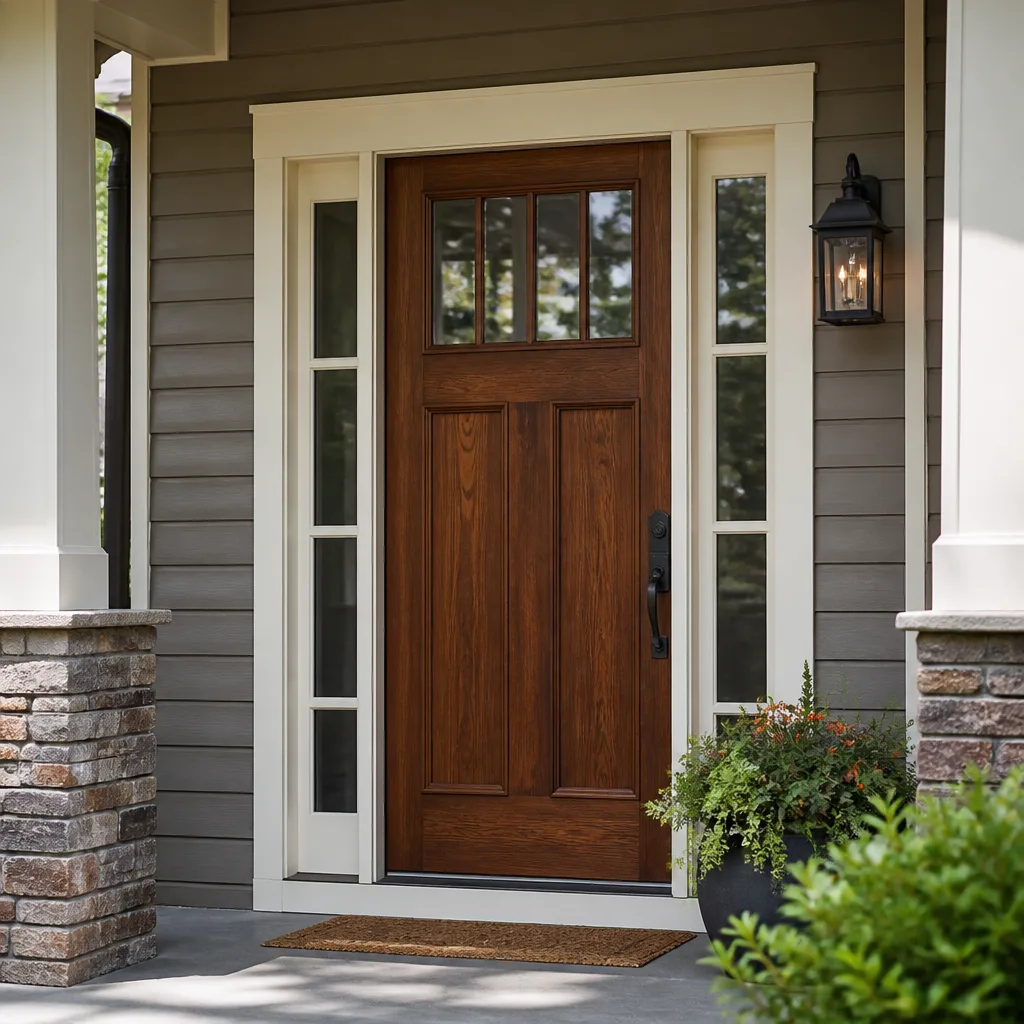
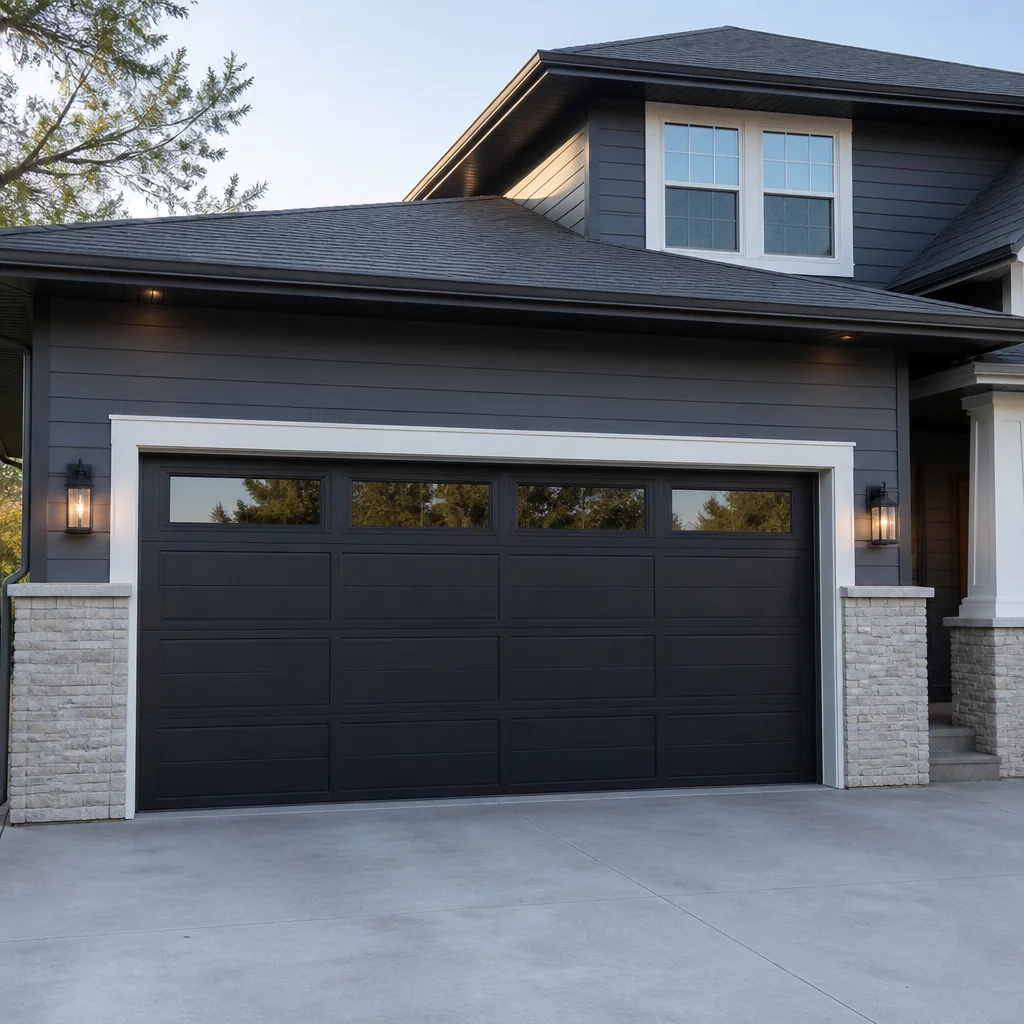
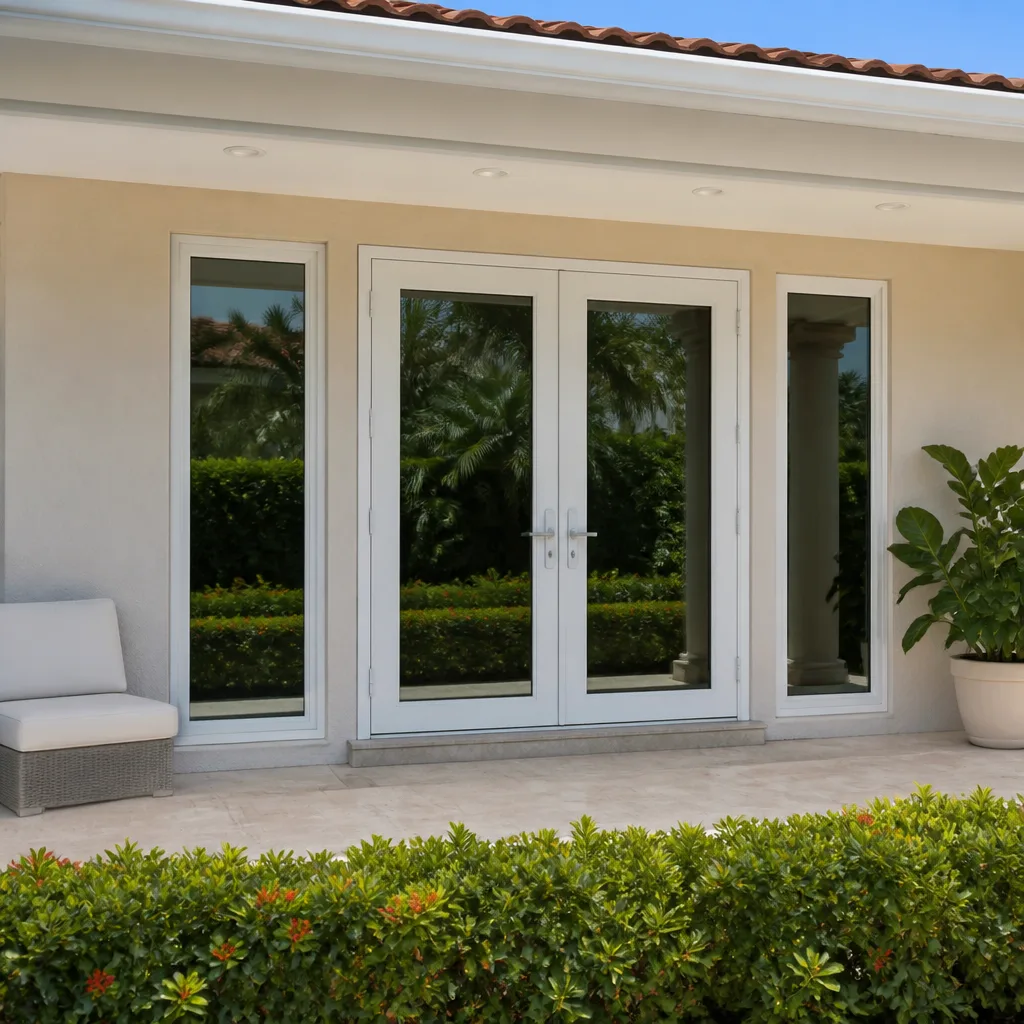
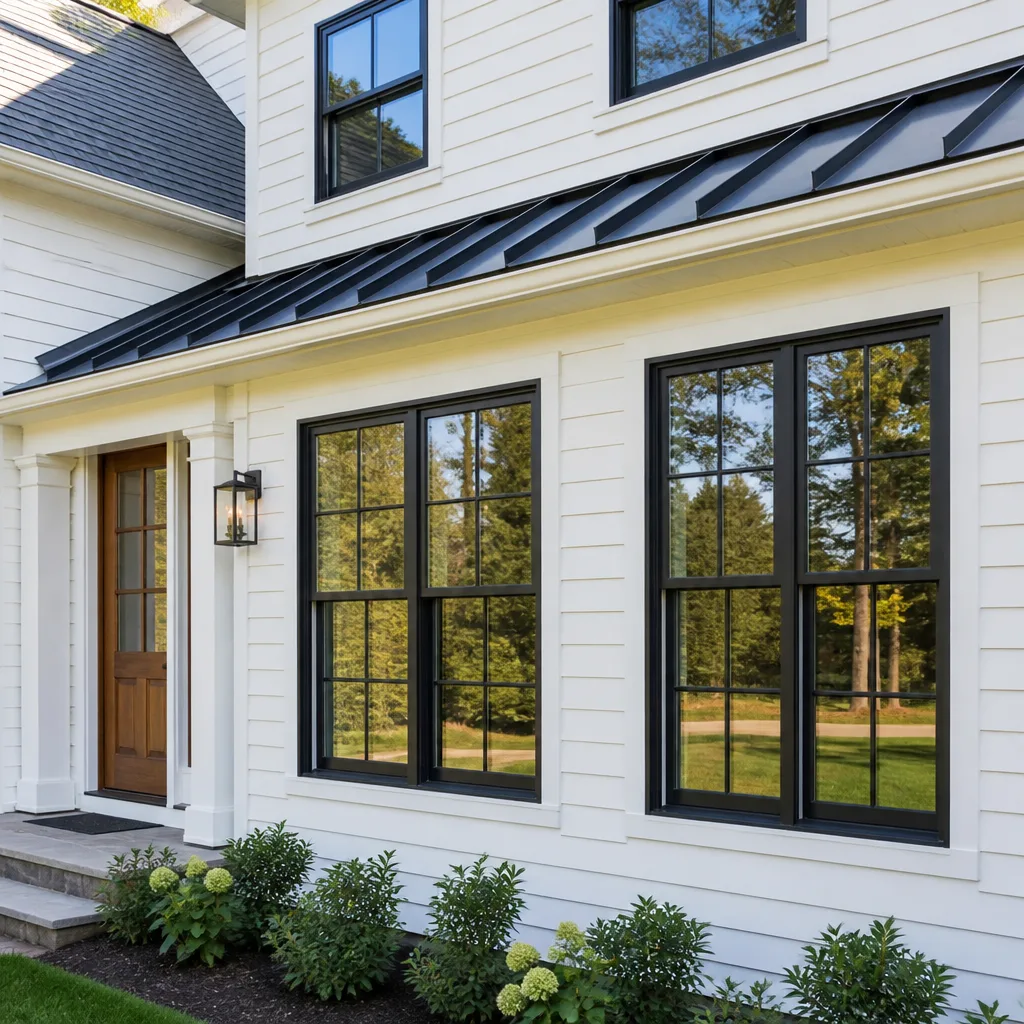
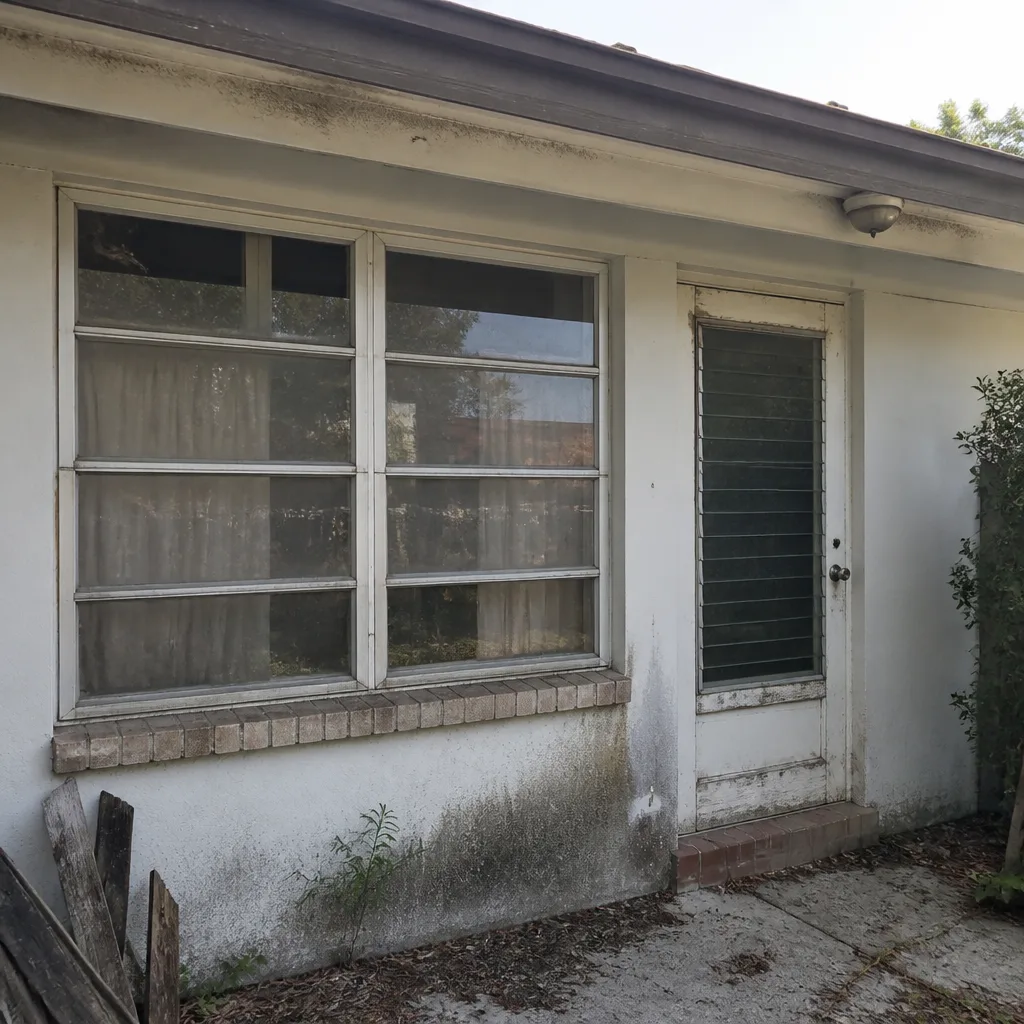 Before
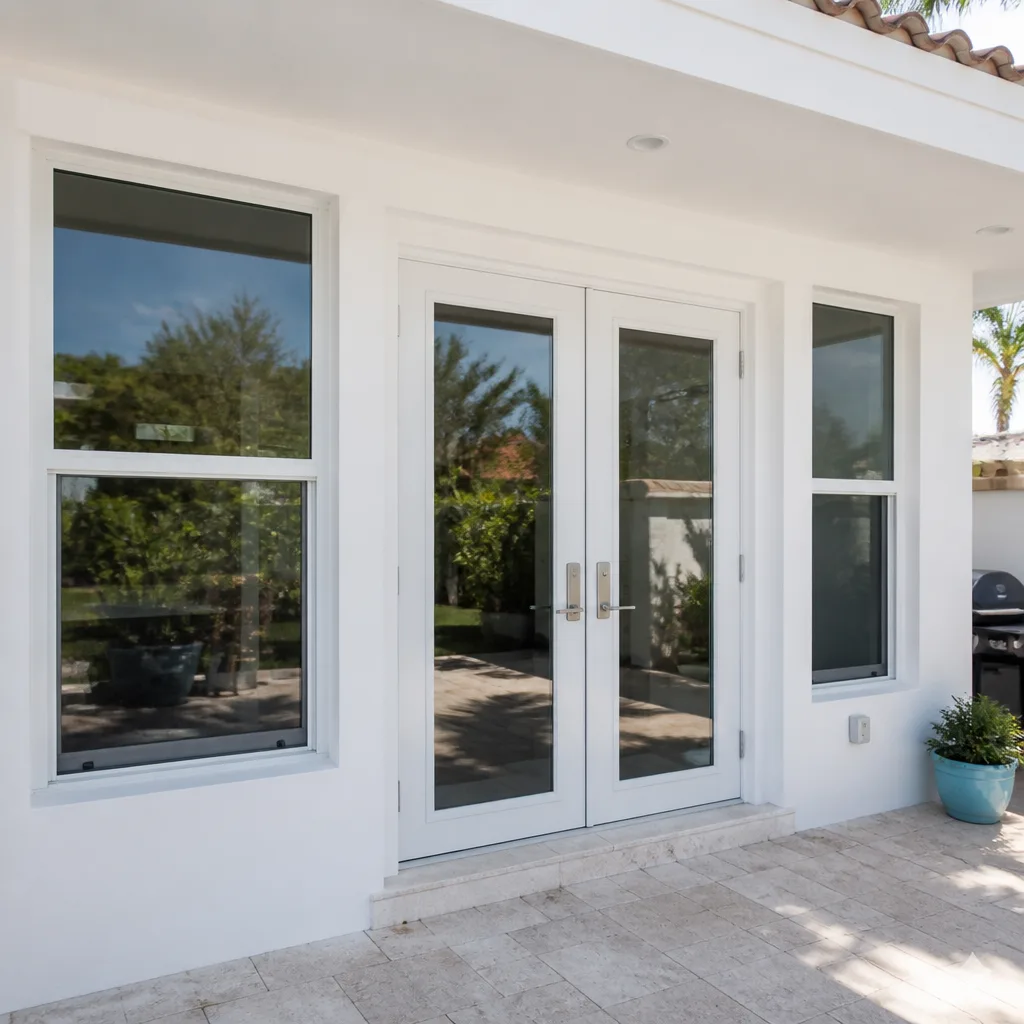 After
After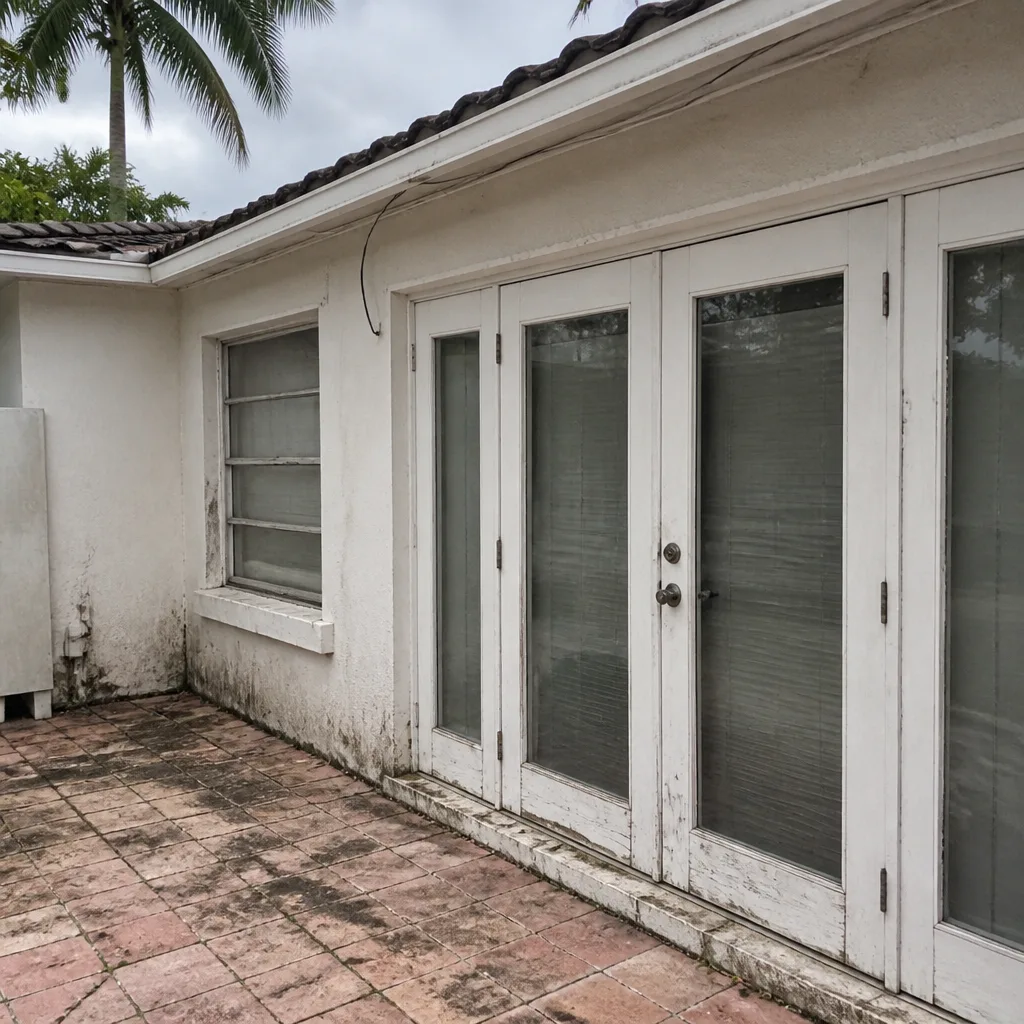 Before
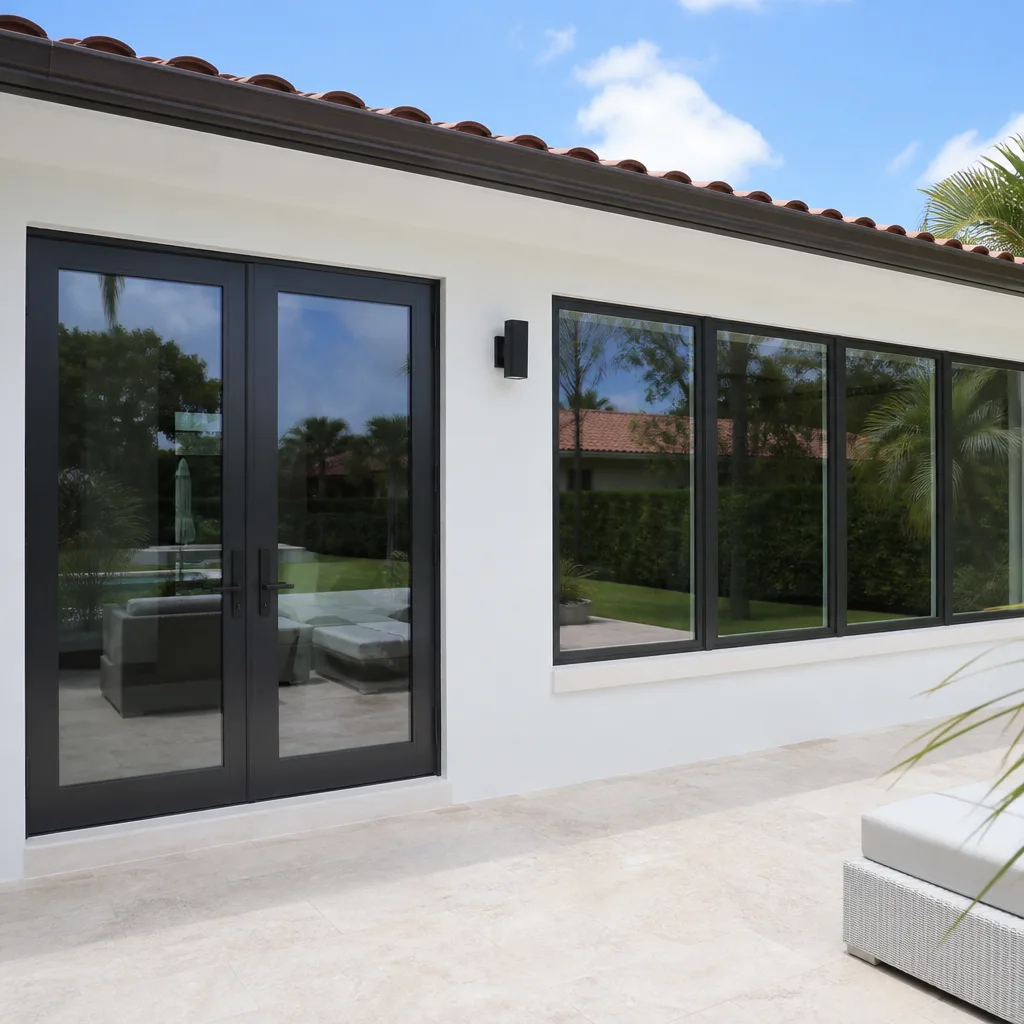 After
After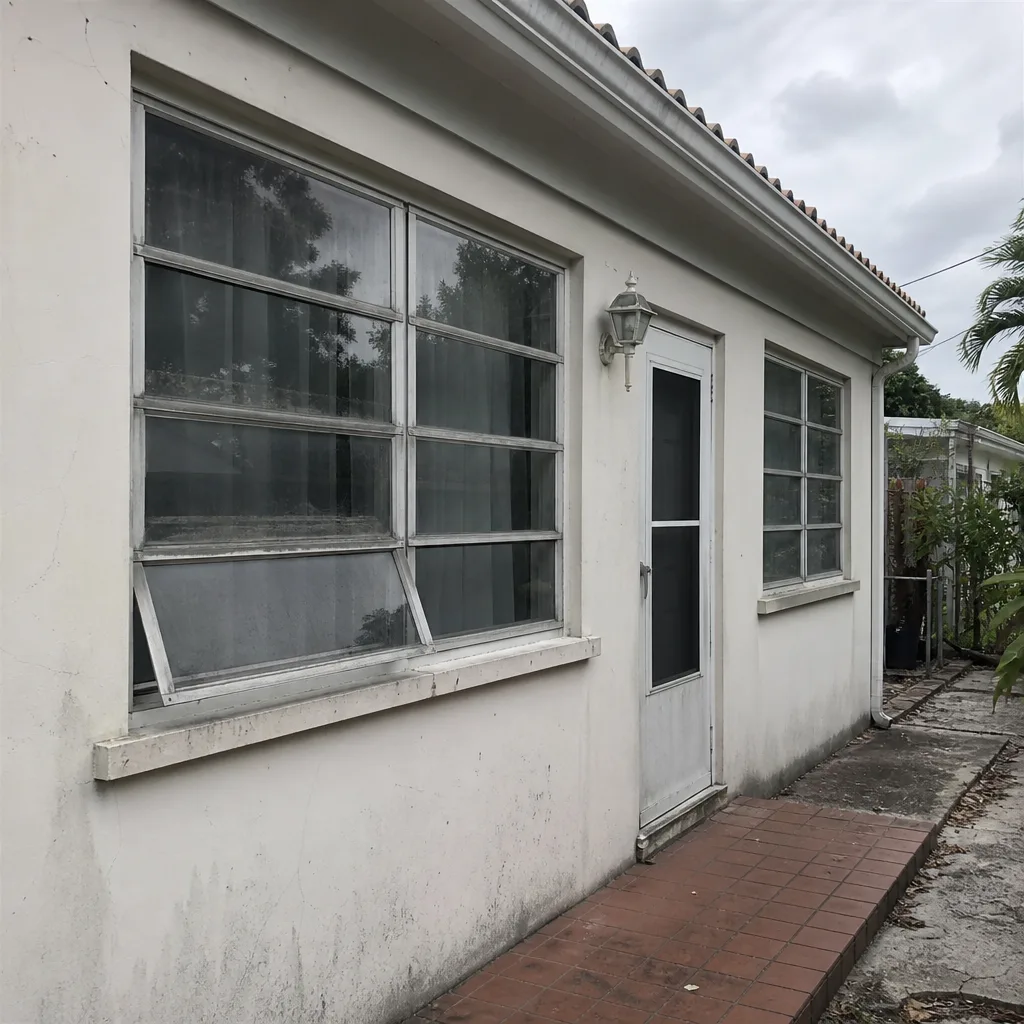 Before
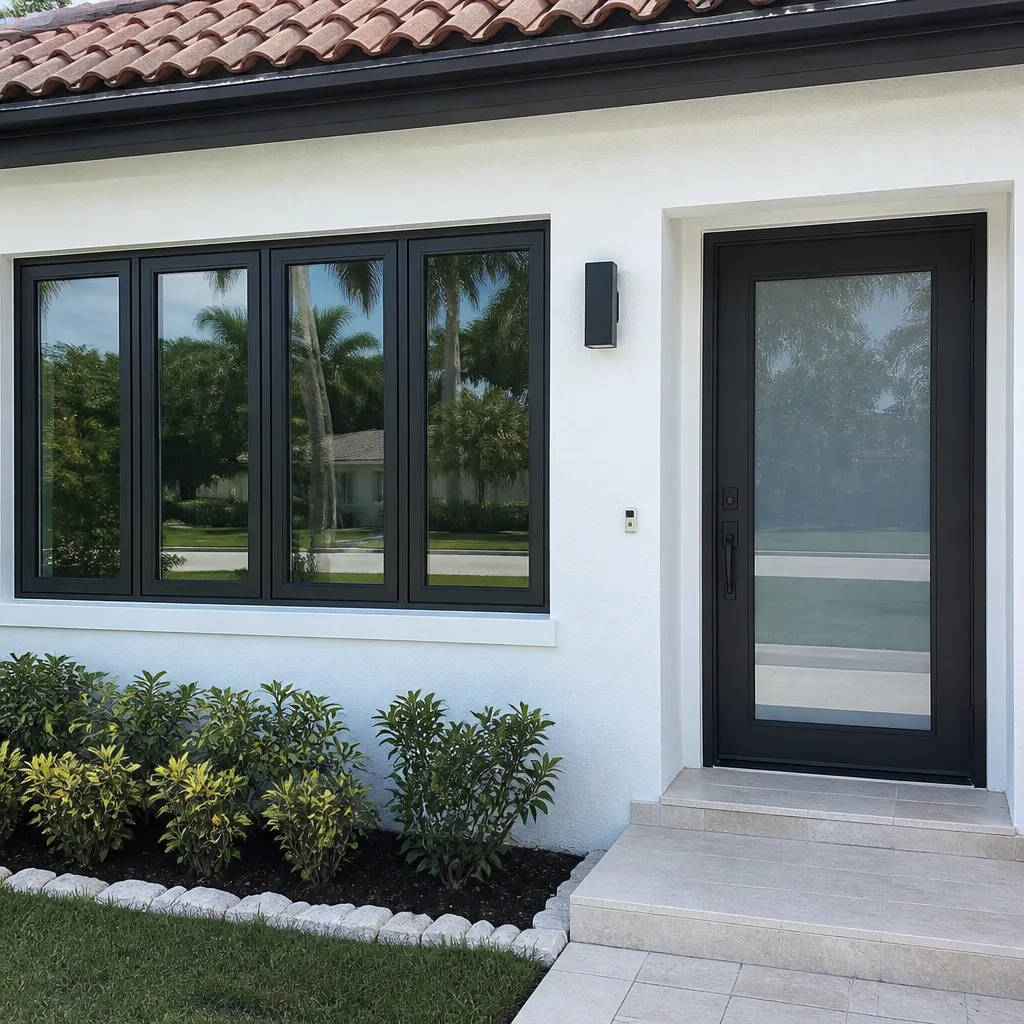 After
AfterThe Complete Guide to Windows & Doors in Miami Springs
Most Miami Springs homeowners don’t realize their neighborhood sits in a High-Velocity Hurricane Zone (HVHZ), the strictest wind-load classification in the continental U.S. That single designation eliminates a huge portion of products advertised as “hurricane rated” because Miami-Dade County requires NOA (Notice of Acceptance) approval on every window and door that goes into a permitted structure. This guide covers what that means for your home, how the Village’s historic character shapes your product choices, and why picking the wrong window or door here costs far more than the price tag. You’ll learn how to verify a product’s legality, what actually survives inspection, and how to match modern impact protection to a 1920s Spanish Mission aesthetic. We’re Winslow Windows & Doors, and our home base is right here in this community. We’ve installed, replaced, and repaired windows and doors in Miami Springs for over a decade, and this is everything we’ve learned about doing it right.
Quick Answer
Windows and doors in Miami Springs must be NOA-approved, impact-rated, and installed to Miami-Dade HVHZ code to pass inspection. The right choice depends on your home’s age, architecture, exposure to airport noise, and whether you live in the historic district. Expect to pay more than national averages because the products legal here are stronger and heavier than what’s sold elsewhere. Work with a local installer who pulls permits, understands historic guidelines, and can verify NOA compliance before you spend a dollar, or read our How to Hire a Windows & Doors Contractor in Miami Springs: A Step-by-Step Guide first.
Table of Contents
- Why Miami Springs Is Different: HVHZ and NOA Compliance
- Historic District Rules: What You Can and Cannot Install
- Impact-Rated vs. Impact-Plus-Code-Compliant: The Difference That Fails Inspections
- Window and Door Styles That Fit Spanish Mission and Mediterranean Revival Homes
- Airport Proximity: Acoustic Ratings and Long-Term Product Wear
- What Windows and Doors Actually Cost in Miami Springs
- Installation: Permits, Inspections, and What Done Right Means
- Maintenance and Longevity in South Florida’s Climate
Why Miami Springs Is Different: HVHZ and NOA Compliance
Miami Springs sits inside the High-Velocity Hurricane Zone, a designation that applies to all of Miami-Dade and Broward counties. HVHZ is not a marketing term. It’s a legally binding wind-load requirement that applies to every window, door, skylight, and garage door installed on a residential structure. Products sold in most of the country are tested to withstand wind pressures in the 30 to 50 pounds-per-square-foot range. HVHZ products must be tested and engineered to withstand pressures that can exceed 70 psf depending on your home’s location, height, and exposure.
The mechanism that enforces this is the Notice of Acceptance, or NOA. Every window and door product installed in Miami Springs must carry an active NOA issued by the Miami-Dade County Product Control Division. If a product does not have an NOA, it is illegal to install on your home. Period. Not a gray area. Not a “well, the salesman said it was rated” situation. No NOA, no permit, no inspection pass.
How to Verify a NOA Before You Buy
- Ask the contractor for the product’s NOA number. Every legitimately approved product has one, and any installer working in Miami Springs should be able to produce it on the spot. If they hesitate, walk away.
- Search the Miami-Dade County product control database. The county maintains a public online database of every active NOA. Enter the number and confirm the product, manufacturer, and approval status match what you were quoted.
- Check the NOA’s scope of approval. An NOA is not blanket permission. It specifies exact product configurations: glass types, frame materials, sizes, and installation methods. A window that’s approved in one size may not be approved in another.
- Confirm the NOA is active, not expired or revoked. NOAs expire and get updated. Manufacturers have to renew them. A revoked or lapsed NOA means the product is no longer legal to install.
- Match the NOA to your specific opening. The NOA document includes engineering drawings showing how the product must be anchored to your structure. If your installer isn’t following those exact details, the installation itself fails inspection even if the product is approved.
In our experience, the most common problem we see in Miami Springs is homeowners who bought “impact windows” from a big-box retailer or an out-of-county contractor and discovered only during a failed inspection that the product lacked a current NOA for their application. The window itself may be fine. The legality is not. By the time inspection happens, the product is already installed, and the homeowner is now paying twice: once for the illegal window, once to remove it and install a compliant one. Verifying NOA compliance before purchase is the single most important thing you can do on the front end. Our impact window work in Miami Springs always starts with NOA verification because we won’t install anything we can’t put our name on.
Historic District Rules: What You Can and Cannot Install
The Village of Miami Springs has a distinct architectural identity rooted in its 1920s founding. Country Club Estates, the original section of town, was designed by George Merrick, the same developer behind Coral Gables, and its Spanish Mission and Mediterranean Revival homes have defined the neighborhood’s character for nearly a century. That character is protected, and homeowners in the historic district have additional layers of review before exterior changes are approved.
If your home is within the Village of Miami Springs Historic District or is individually designated as historic, you will likely need a Certificate of Appropriateness (COA) from the Village’s Historic Preservation Board before replacing windows or doors. This is separate from the building permit. The COA process evaluates whether your proposed change is compatible with the home’s original architectural character and the district’s design guidelines.
What the Historic Guidelines Typically Address
- Window material. Original wood windows are often expected to be preserved or replaced with wood, not vinyl or aluminum. Some districts allow clad wood if the exterior face appears original.
- Muntin and mullion patterns. If your home originally had multi-light windows (divided into smaller panes), replacing them with a single large pane of glass often triggers historic review. The grid pattern matters.
- Door style and glazing. Original front doors in Spanish Mission homes often feature arched tops, decorative panels, or specific wood species. A flat modern steel door in an arched opening is a visual mismatch that will draw objections.
- Color and finish. Some historic guidelines restrict finish colors to historically appropriate palettes. Bright white vinyl on a home built for warm earth tones may not pass.
- Impact compliance. Here is the tension point: the historic guidelines want preservation, but the building code demands impact protection. The solution is almost always impact-rated products that are designed to look like the original. Impact windows now come in wood and wood-clad configurations, with simulated divided lites that replicate historic muntin patterns. Impact-rated doors can be built to match original profiles.
Not every home in Miami Springs is in the historic district. A large portion of the city’s housing stock was built after the historic core and falls under standard building code without aesthetic review. But if your home is older, check before you buy. Call the Village’s Building Department and ask whether your property has historic designation. It costs nothing to check and saves you from buying products that will never get approved.
Impact-Rated vs. Impact-Plus-Code-Compliant: The Difference That Fails Inspections
Here is the nuance that costs Miami Springs homeowners real money: a window can be marketed as “impact-rated” and still fail Miami-Dade inspection. The phrase “impact-rated” by itself means the product passed some version of an impact test. It does not mean the product is approved for installation in HVHZ. The only thing that matters for code compliance in Miami Springs is whether the product holds a current NOA issued by Miami-Dade County and whether it is installed exactly as that NOA specifies.
Some manufacturers test their products to older standards or to standards from other jurisdictions (Texas, the International Building Code baseline, even Florida’s older statewide code). Those tests may involve the same large-missile and small-missile impacts, but without a Miami-Dade NOA, they are irrelevant to your permit. If an inspector checks your window against the county database and finds no active NOA, your inspection fails regardless of what stickers or marketing materials came with the product.
Then there is the installation side. Code compliance is not just about the product. It’s about the anchoring. A NOA includes specific engineering details: anchor types, anchor spacing, embedment depth, sub-sill flashing, and the interaction between the window frame and the wall structure. An installer who slaps a NOA-approved window into your opening with generic anchors and no attention to the NOA’s engineering details has installed a non-compliant window. The product is approved. The installation is not. And the inspector will catch it because inspectors in Miami-Dade know exactly what to look for.
This is one of the reasons we install PGT and CGI products for our window replacement projects in Miami Springs. Both manufacturers maintain extensive, current NOA catalogs, and their engineering documentation is clear enough that a competent installer can follow it precisely. The product and the installation both hold up. That is what code-compliant actually means.
Window and Door Styles That Fit Spanish Mission and Mediterranean Revival Homes
Miami Springs’ original homes were built in the Spanish Mission and Mediterranean Revival styles. Those styles have distinctive window and door vocabulary: arched openings, deep-set sills, barrel-tile roofs, stucco walls with rounded corners, and decorative ironwork. The right replacement products honor those details. The wrong ones fight them.
Windows That Work
- Arch-top windows. Many original openings have rounded or segmental arch tops. Square replacement windows leave awkward infill gaps. Manufacturers including PGT offer arch and radius window configurations that fill an arched opening correctly.
- Fixed picture windows with simulated divided lites (SDL). For living rooms and formal spaces that originally had large fixed windows, impact-rated picture windows with SDL bars replicate the multi-pane look while providing a single, code-compliant unit.
- Casement windows. Casements work well for Mediterranean Revival homes because they offer clean sightlines and can be built in taller, narrower proportions that match original openings.
- Awning windows. For smaller openings, especially over kitchen sinks or in bathrooms, awning windows fit the Mission aesthetic and provide ventilation during light rain.
- Low-profile frames. Thick, bulky vinyl frames are the visual enemy of historic architecture. Narrow-frame products, wood-clad products, and certain aluminum designs minimize the frame footprint and keep the focus on the glass.
Doors That Work
- Arched wood or wood-clad entry doors. Therma-Tru offers fiberglass door systems that are molded and finished to look like wood, can be built with arched tops, and carry impact approvals. They are a practical alternative to trying to maintain solid wood in South Florida humidity.
- Decorative glazed doors with impact glass. Original front doors often had small decorative glass panels. Impact-rated glass lets you keep that detail without adding a separate hurricane shutter or panel.
- Wrought-iron accents. The ironwork on many original homes is not structural; it is decorative screening. Exterior-rated iron details can be restored or replicated and combined with impact-rated doors behind them.
- French doors with SDL patterns. Patio and garden access in Mediterranean homes often used multi-light French doors. Impact-rated French doors with SDL grids maintain that look while meeting HVHZ code.
If you are not replacing but restoring, talk to a professional about what can be saved. We have seen original wood windows in Miami Springs that were worth restoring rather than replacing, especially when the frames and sashes are solid and the home is in the historic district. Restoration with impact glass retrofits is possible in some cases and can be cheaper than full replacement. It is also sometimes the only option the Historic Preservation Board will approve.
For full window installation guidance specific to Miami Springs, we cover the process from measurement to final inspection in a separate guide.
Airport Proximity: Acoustic Ratings and Long-Term Product Wear
Miami Springs borders Miami International Airport. Depending on where you live, aircraft on approach or takeoff paths pass over your home multiple times per hour during peak periods. This is not a minor annoyance. It is a measurable environmental factor that affects what windows and doors you should buy and how long they last.
Two things matter here: acoustic performance and environmental wear.
Acoustic Performance
Sound abatement in windows and doors is measured by Sound Transmission Class (STC) and Outdoor-Indoor Transmission Class (OITC) ratings. Standard impact windows with laminated glass already provide better sound reduction than ordinary single-pane or even dual-pane non-impact windows because the laminated interlayer in impact glass dampens sound transmission. But if you live directly under a flight path, you may want to ask about products with higher OITC ratings.
Here is what helps:
- Laminated glass with thicker interlayers. Impact glass already includes a laminate, but upgrading to a thicker interlayer improves acoustic performance without changing the visual profile.
- Dissimilar glass thicknesses in dual-pane units. When two panes in an insulated glass unit are different thicknesses, they block different frequencies, which improves overall sound reduction.
- Proper sealing and weatherstripping. Sound travels through gaps. A perfectly sealed window frame matters as much for sound as for energy efficiency. An acoustic rating on glass means nothing if the frame leaks air.
- Door sweeps and thresholds on exterior doors. Entry doors and especially sliding glass doors are notorious sound leaks. A quality door with a tight-fitting sweep and an adjustable threshold closes that gap.
We have worked on homes in the neighborhoods immediately adjacent to the airport where the difference between a basic impact window and an upgraded insulated impact unit was the difference between sleeping through the night and being woken every 90 seconds during morning departures. It is worth discussing your specific location with an installer who knows Miami Springs streets, not a call center quoting from a price sheet.
Environmental Wear
Living close to a major airport means constant exposure to jet exhaust particulate, vibration, and salt air riding in from the Atlantic. None of this is catastrophic, but it accelerates certain types of wear:
- Exterior hardware corrosion. Hinges, handles, locks, and especially sliding door rollers corrode faster near the airport. Marine-grade or stainless hardware lasts measurably longer.
- Weatherstripping degradation. Ozone and exhaust particulate break down rubber and silicone seals faster than in cleaner air. Inspect weatherstripping annually and plan to replace it every few years.
- Frame finish wear. Darker finishes on aluminum and vinyl fade faster under combined UV and particulate exposure. Lighter colors and factory-applied finishes hold up better.
- Sliding door track contamination. Jet exhaust particulate settles on horizontal surfaces and gets ground into sliding door tracks. Clean tracks regularly to prevent roller damage.
None of this means you need exotic products. It means the standard maintenance schedule matters more here than in other parts of Miami-Dade, and choosing corrosion-resistant hardware on the front end saves replacement costs down the road.
What Windows and Doors Actually Cost in Miami Springs
Miami Springs window and door pricing runs higher than national averages, and that is not contractors padding estimates. The products legal here are engineered differently. They are heavier, more heavily tested, and built to standards that do not exist in most states. A NOA-approved impact window with insulated laminated glass will always cost more than a non-impact window of the same size.
Here are honest ranges we see in Miami Springs as of 2025. These are line-item ranges for planning purposes, not quotes. Your exact price depends on your home’s construction, opening sizes, product choices, and whether you need historic district review.
| Product | Typical Price Range (Installed) | Notes |
|---|---|---|
| Standard impact single-hung window | $850 – $1,400 per window | Price varies by size and brand. Basic PGT or CWS models. |
| Impact casement window | $1,100 – $1,900 per window | More hardware, narrower frames, premium aesthetic. |
| Impact picture window (fixed) | $900 – $2,200 per window | Large openings cost more; SDL grids add cost. |
| Impact sliding glass door (standard) | $3,500 – $6,500 per door | Two-panel. Three or four panel configurations run higher. |
| Impact French door (pair) | $4,000 – $8,000 per opening | Arched tops and custom finishes add cost. |
| Therma-Tru impact entry door | $2,500 – $5,500 per door | Fiberglass with impact glass. Style and hardware drive range. |
| Window retrofit with impact glass (per opening) | $500 – $900 per opening | Only for restorable original frames. Not always possible. |
| Full home (15 windows, 2 doors) | $18,000 – $38,000 | Typical 1950s-1970s Miami Springs ranch home. |
Two factors explain most pricing spread. First, product brand and line. PGT’s WinGuard line, CGI’s Sentinel line, and CWS products are all NOA-approved but sit at different price points based on features and design options. Second, installation complexity. Older Miami Springs homes often have non-standard openings, stucco over wood framing, or settling that requires extra flashing, new bucking, or masonry repair before the new unit goes in.
Discounts are real in this market. We offer a permanent $40 off any repair over $200, a free second opinion on any written estimate, no trip charge inside our home county, and a 10% discount for seniors and veterans. Those are standing offers at Winslow Windows & Doors. They are not seasonal specials. They are how we do business in Miami Springs.
Installation: Permits, Inspections, and What Done Right Means
Installing windows and doors in Miami Springs is a permitted activity. There is no legal path that skips the permit. Your contractor must pull a permit from the Village of Miami Springs Building Department before work begins, and the completed installation must pass a Miami-Dade county inspection. Anyone who tells you a permit is optional is inviting you to buy a problem.
What a Proper Installation Includes
- Permit pulled before any work begins. The permit number should be available to you and displayed on site. No permit means no legal installation.
- NOA documentation for every product installed. The inspector will verify that each window and door matches an active NOA. Your installer should have this documentation ready, not scrambling for it after the fact.
- Removal of the existing unit without damaging the structure. Old windows in Miami Springs homes are sometimes anchored in ways that require careful extraction. Ripping out a frame and damaging the surrounding stucco or framing adds repair cost.
- Flash and seal the rough opening per NOA details. The NOA specifies how the new unit must be flashed, sealed, and anchored. Silicone around the trim is not a substitute for proper mechanical anchoring.
- Mechanical anchoring per engineering drawings. Each NOA includes anchor locations and types. Missing or improperly spaced anchors are the most common inspection failure we see.
- Interior and exterior trim work. Stucco patching, casing replacement, and sill work should be part of the scope, not a surprise add-on after inspection.
- Final inspection passed. The job is not done when the installer leaves. It is done when the inspector signs off. Any contractor who tells you inspection is optional is not a contractor you want on your property.
Done right also means the work is guaranteed. Every job we do in Miami Springs carries the Done Right Promise. If it is not done right, we make it right. That is not a warranty card you will never find. It is Ed Winslow’s name on the business, and it is a standard we have held since 2011.
Maintenance and Longevity in South Florida’s Climate
South Florida is hard on windows and doors. Salt air, intense UV, daily humidity swings, hurricane season, and, in Miami Springs, jet exhaust all work against your exterior products. The good news is that a quality NOA-approved window or door, properly installed, will last 20 to 30 years. The catch is that you have to maintain it.
Annual Maintenance for Windows
- Clean the tracks and weep holes. Dirt and debris block drainage and cause water intrusion. A blocked weep hole turns a small rain event into a seal failure.
- Inspect weatherstripping. Replace cracked, flattened, or missing weatherstripping before hurricane season. Air leaks are energy leaks and water leaks waiting to happen.
- Lubricate moving hardware. Hinges, locks, and crank mechanisms need periodic lubrication. Use a silicone-based lubricant, not WD-40.
- Check exterior caulking. Caulk joints where the frame meets stucco should be inspected annually. Re-caulk any cracking or separation.
Annual Maintenance for Doors
- Clean and lubricate sliding door tracks. Dirty tracks destroy rollers. Replacement rollers are one of the most common sliding door repairs in Miami Springs.
- Check door sweeps and thresholds. Worn sweeps leak air, water, and sound. Adjust or replace the sweep annually.
- Inspect hinges and locking hardware. Tighten loose hardware. Replace corroded hardware with stainless or marine-grade equivalents.
- Maintain finishes. Refinish wood doors every few years. Touch up scratches on fiberglass and aluminum before corrosion takes hold.
Annual maintenance takes a homeowner about an afternoon. It extends the life of your investment by years and catches small problems before they become costly replacements.
Common Mistakes to Avoid
- Buying “impact-rated” products that lack a current NOA. This is the most expensive mistake we see. The product looks right, the salesman sounds confident, and then the inspector fails the job. Verify the NOA before you pay.
- Skipping historic district review. If your Miami Springs home is in the historic district, installing products without a Certificate of Appropriateness can trigger stop-work orders and require you to remove and replace compliant products that were never aesthetically approved.
- Choosing products for price alone. The cheapest NOA-approved window is still a legal window, but if it does not address your airport noise exposure or your home’s architectural style, you will be looking at it and listening through it for 20 years.
- Ignoring the NOA’s installation requirements. A compliant product installed with non-compliant anchoring is a non-compliant installation. The inspector checks the anchoring, not just the product.
- Believing that all “double-pane” windows are impact windows. Double-pane means two pieces of glass. It does not mean impact-rated, and in Miami Springs, non-impact glass is not legal for exterior fenestration in most residential applications.
- Postponing maintenance until something breaks. A $60 weatherstripping replacement done annually prevents a $600 water damage repair. South Florida does not wait for you to catch up.
- Hiring contractors who will not show you their license and insurance. In Miami Springs, legitimate window and door installers carry a Florida contractor’s license and insurance. Anyone who will not produce both should not be on your property.
When to Call a Professional
Some window and door projects in Miami Springs are homeowner-friendly: cleaning tracks, touching up caulk, replacing a door sweep. Most replacement work is not. If you are installing a new product that requires a NOA, you need a licensed contractor who pulls permits and passes inspections. If your home is in the historic district, you need someone who understands the Village’s review process. If you live near the airport and want acoustic performance, you need someone who can explain OITC ratings and glass configurations rather than just quoting a price. And if you have water intrusion, frame rot, or a window that no longer opens or closes properly, the problem is rarely just the visible symptom. Winslow Windows & Doors offers free estimates in Miami Springs. Call (239) 310-4121 and Ed Winslow will answer. Not a call center. Not a voicemail loop. Ed’s name is on the door, and on every job we do.
Frequently Asked Questions
Installed impact windows in Miami Springs typically run $850 to $2,200 per window depending on size, style, brand, and whether your home requires historic district review. Full-home replacement projects for a typical 15-window home usually land between $18,000 and $38,000 before any standing discounts. Call (239) 310-4121 for a free, itemized estimate. We’ll give you exact numbers, not ranges.
No. Miami Springs requires a building permit from the Village for all window and door replacement work, and every product must carry an active Miami-Dade County NOA. Installing without a permit creates liability for you as the homeowner and almost always causes problems when you sell or insure the home. Any contractor who suggests skipping the permit is not someone you should hire.
A hurricane-rated window has passed some impact test. A NOA-approved window has passed Miami-Dade County’s specific testing regimen and is legally approved for installation in HVHZ. Only the latter is compliant in Miami Springs. The county maintains a public database where you can verify any product’s NOA status before purchase.
If your home is within the Village of Miami Springs Historic District or is individually designated historic, you will likely need a Certificate of Appropriateness before replacing exterior windows or doors. The process is separate from the building permit. Contact the Village Building Department to check your property’s status before buying products. Call (239) 310-4121 and we can help you navigate the review process.
Yes. Impact windows with laminated glass measurably reduce sound transmission compared to standard windows, and upgrading to insulated units with dissimilar glass thicknesses improves acoustic performance further. Exact results depend on your home’s proximity to flight paths and the condition of your existing openings. We see significant improvement in homes close to the airport when proper products are installed correctly.
Quality NOA-approved products, properly installed and maintained, last 20 to 30 years in South Florida’s climate. Environmental factors including salt air, UV exposure, humidity, and airport proximity can accelerate wear on hardware and weatherstripping, which are replacement items over that lifespan. Annual maintenance extends the life of the entire assembly.
The Bottom Line
Miami Springs is not a generic South Florida market. The HVHZ wind code, the Village’s historic district, and the constant presence of MIA each shape what windows and doors you should buy and how they should be installed. The products legal here are stronger, more expensive, and more rigorously tested than what is sold in most of the country, and the installation standards are stricter. That is not a burden. It is why homes in Miami Springs have survived storms that flatten other communities. The right partner is a local company that verifies NOAs before quoting, pulls permits every time, understands historic review, and stands behind the work for decades. Ed Winslow built this company in 2011 to be that partner. The one down the road. Call (239) 310-4121 for your free estimate, and we’ll treat your home like it has our name on it. Because it does.
Written by Ed Winslow, Owner at Winslow Windows & Doors, serving Miami Springs since 2011. Explore more guides & resources on our blog.
Six Reasons Homeowners Choose Winslow Windows & Doors
Impact systems engineered to design pressures up to +/-100, matched to your wind zone - your openings hold when the storm arrives.
Low-E insulated impact glass from our manufacturer lines commonly cuts monthly cooling bills 20-30%.
Laminated impact glass shuts out up to 40% of outside noise - traffic, neighbors, weather.
Monitoring services run $30-90 a month. Laminated impact glass resists forced entry around the clock, with no subscription.
Florida homeowners average around 25% savings on the windstorm portion of their policy after protecting every opening - some homes qualify for more.
A full impact package upgrades curb appeal, buyer confidence and appraised value in one project.