
Last updated August 27, 2026
Free in-home measure and quote - PGT, CGI and CWS impact lines compared on your actual openings, style by style

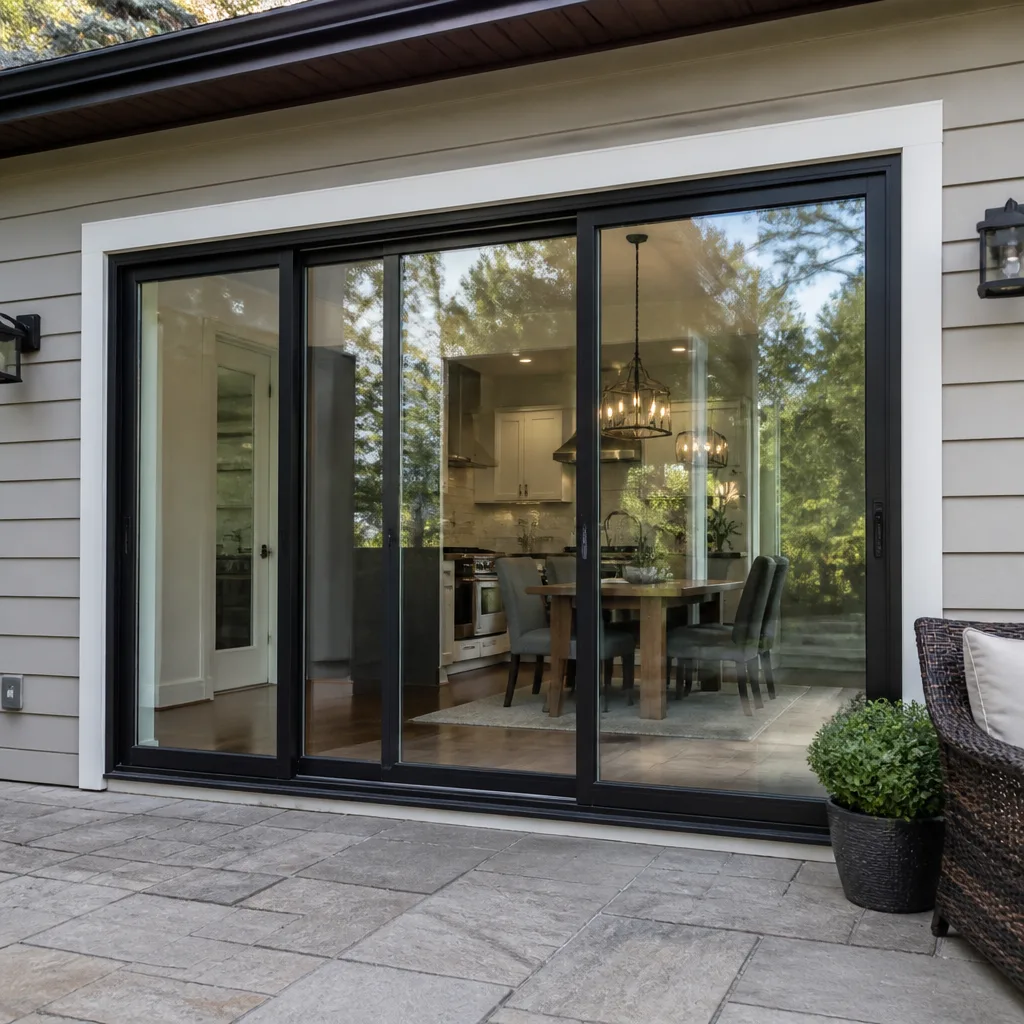
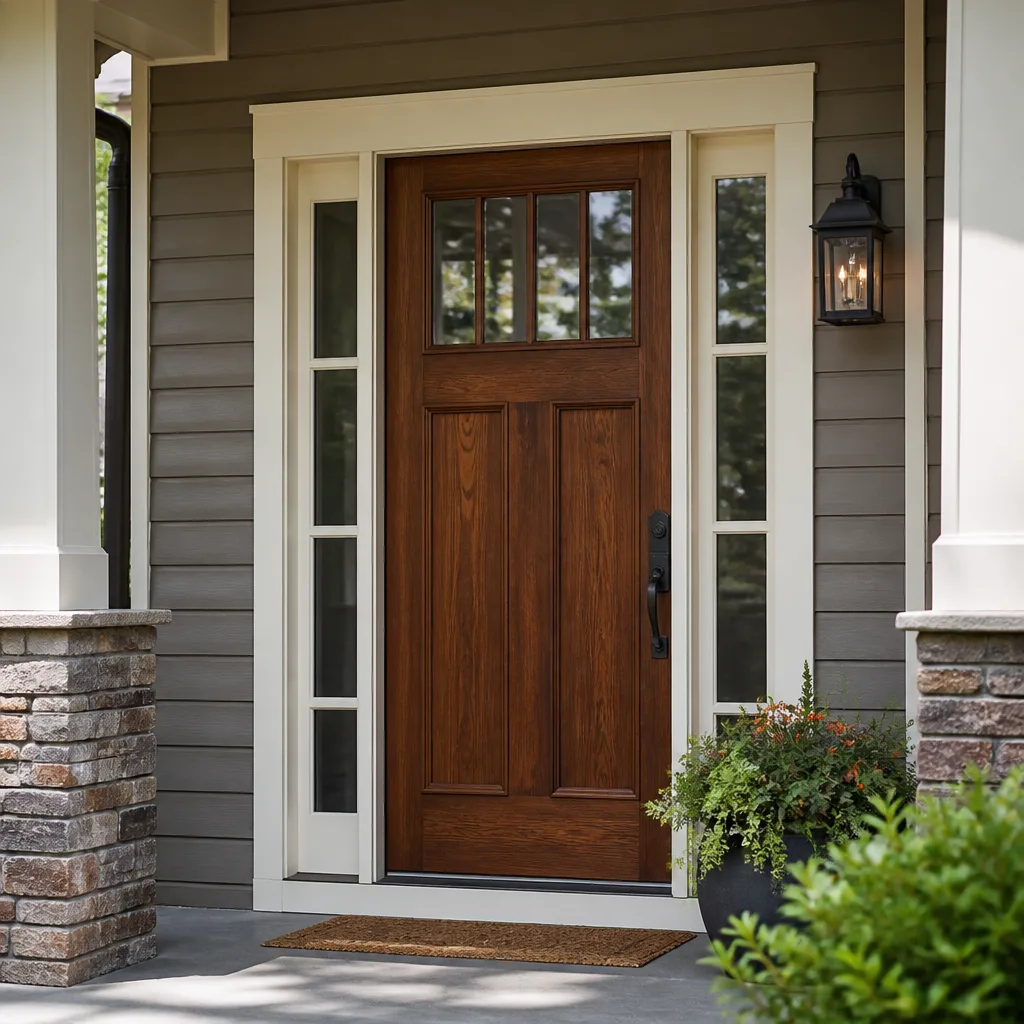

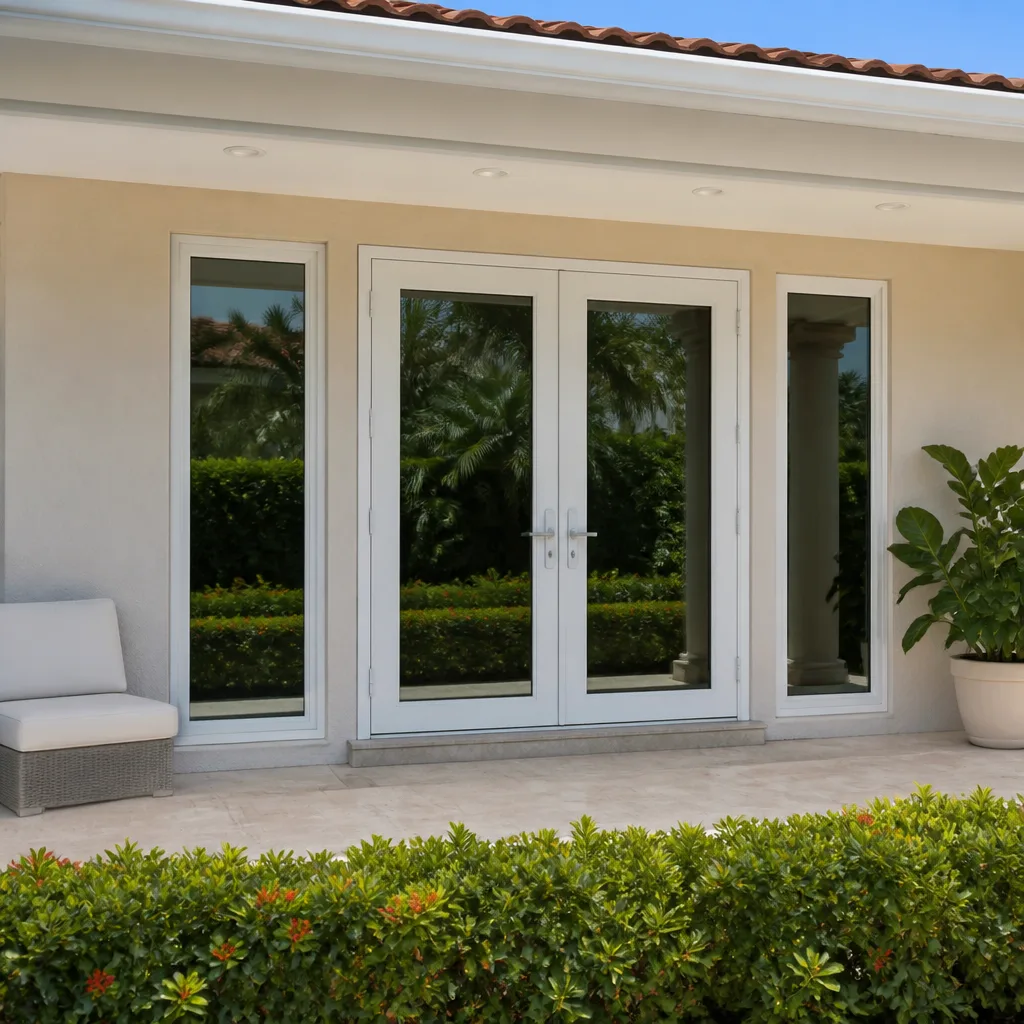

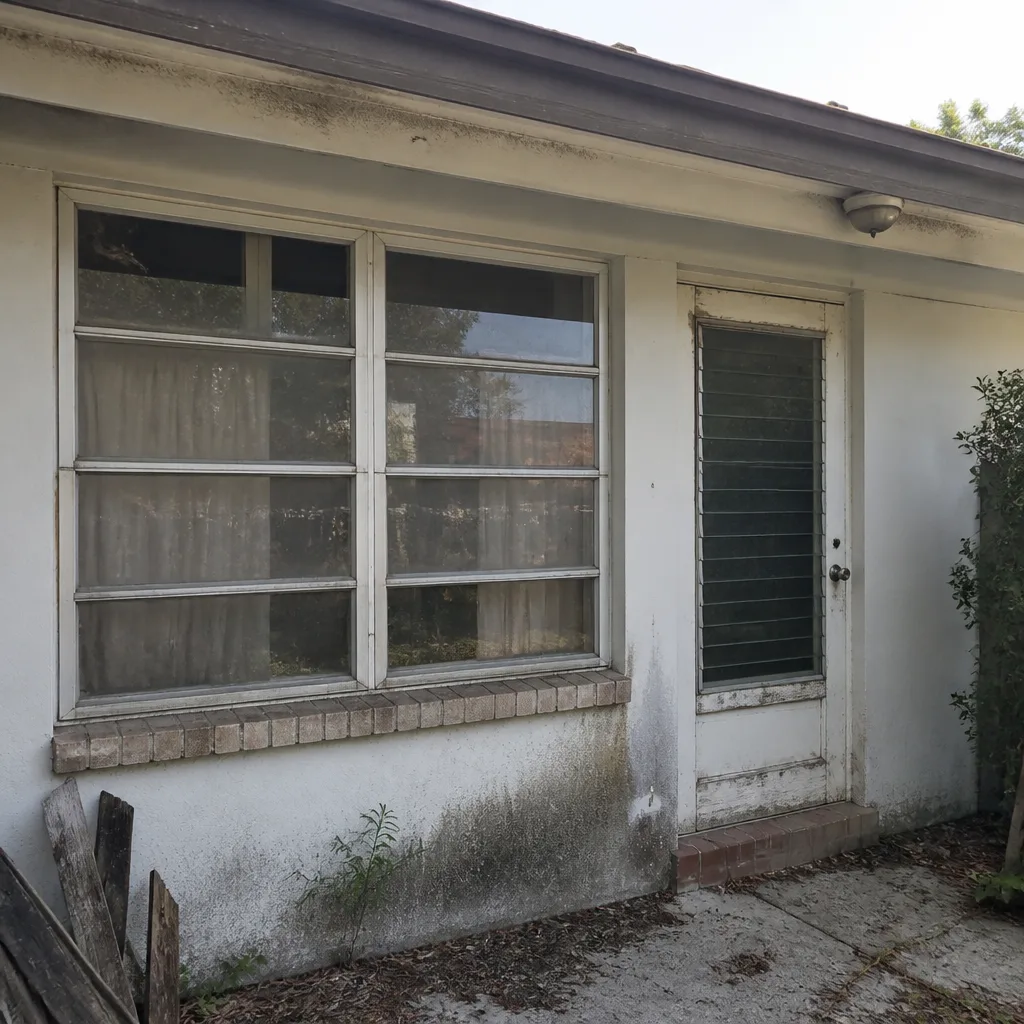 Before
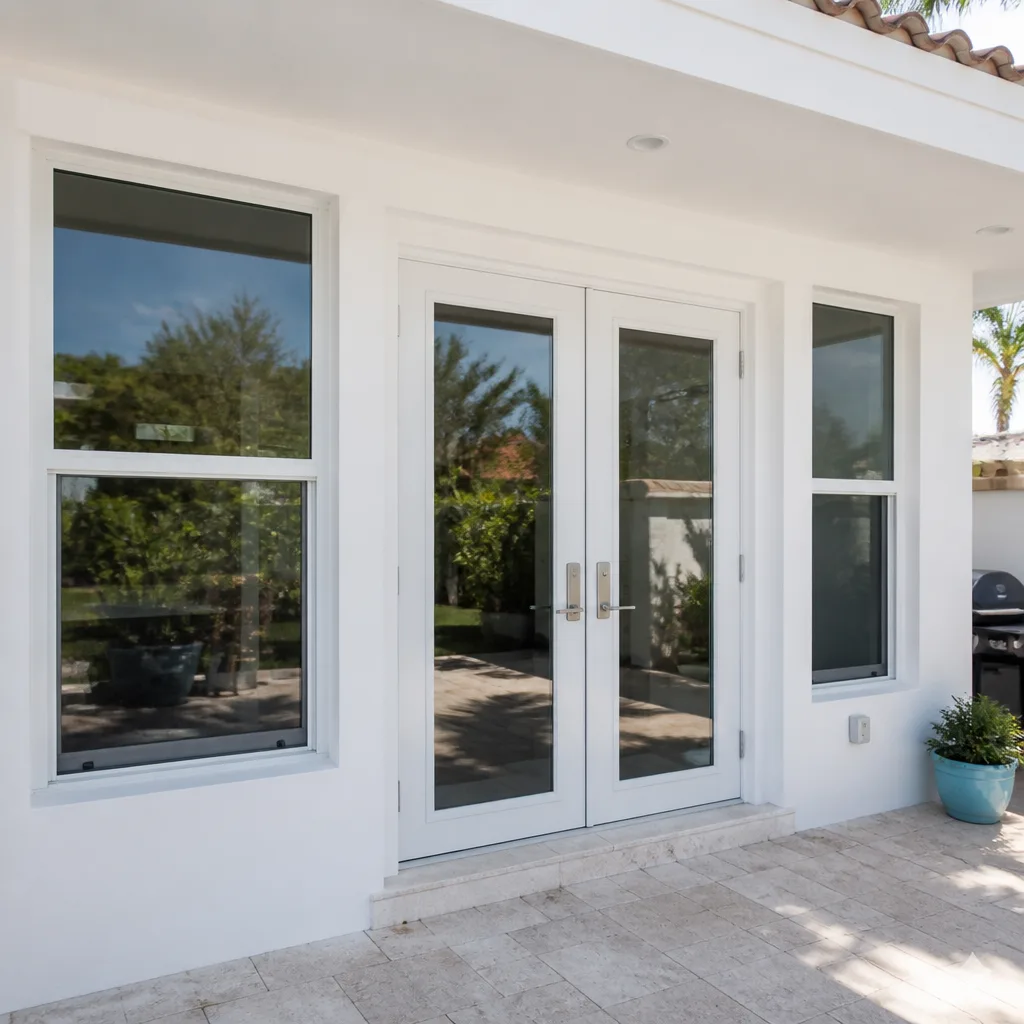 After
After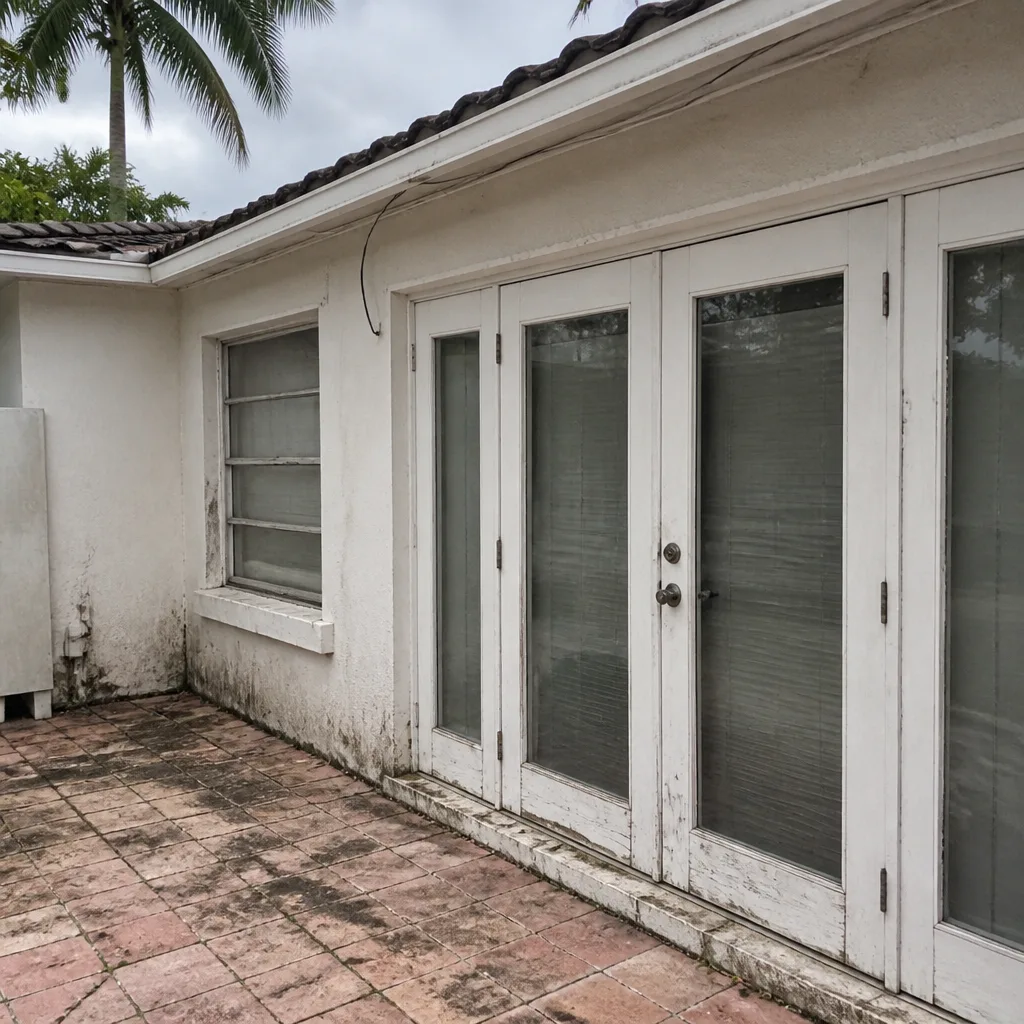 Before
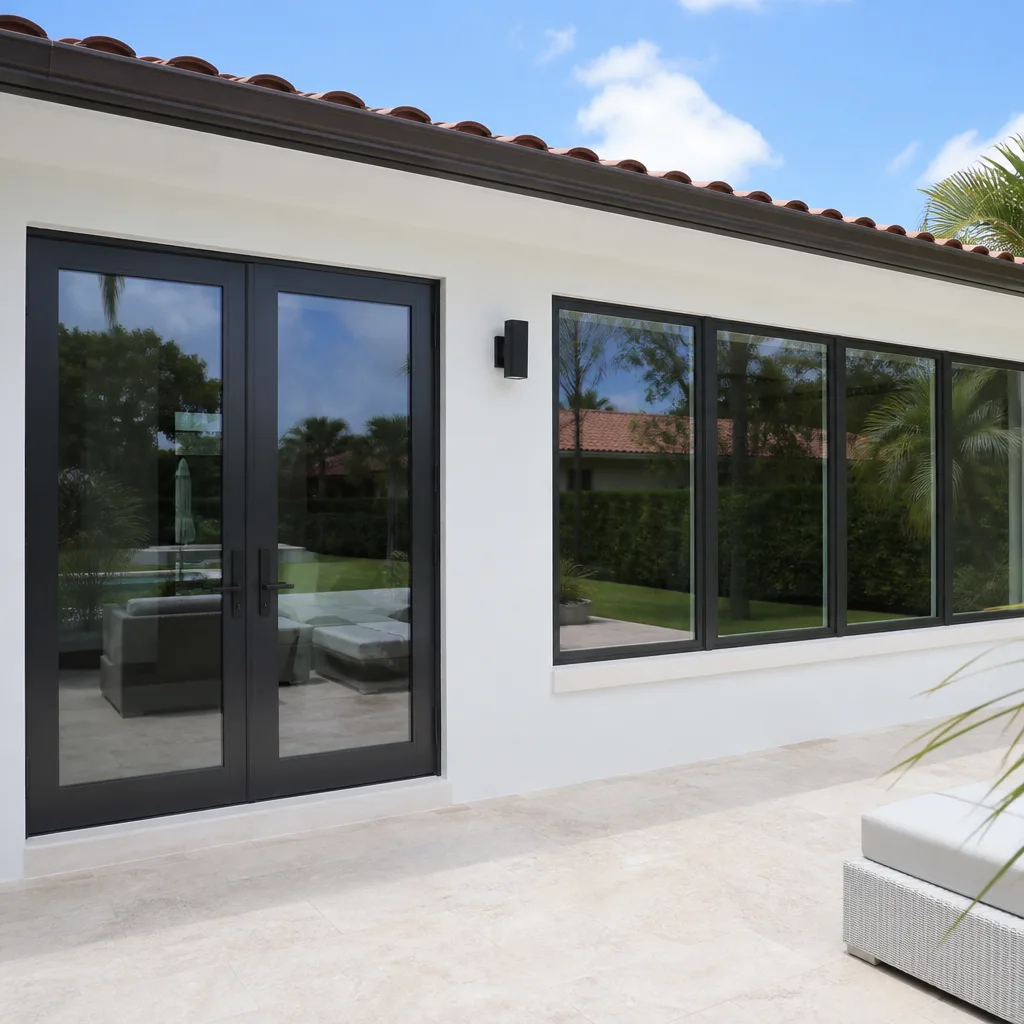 After
After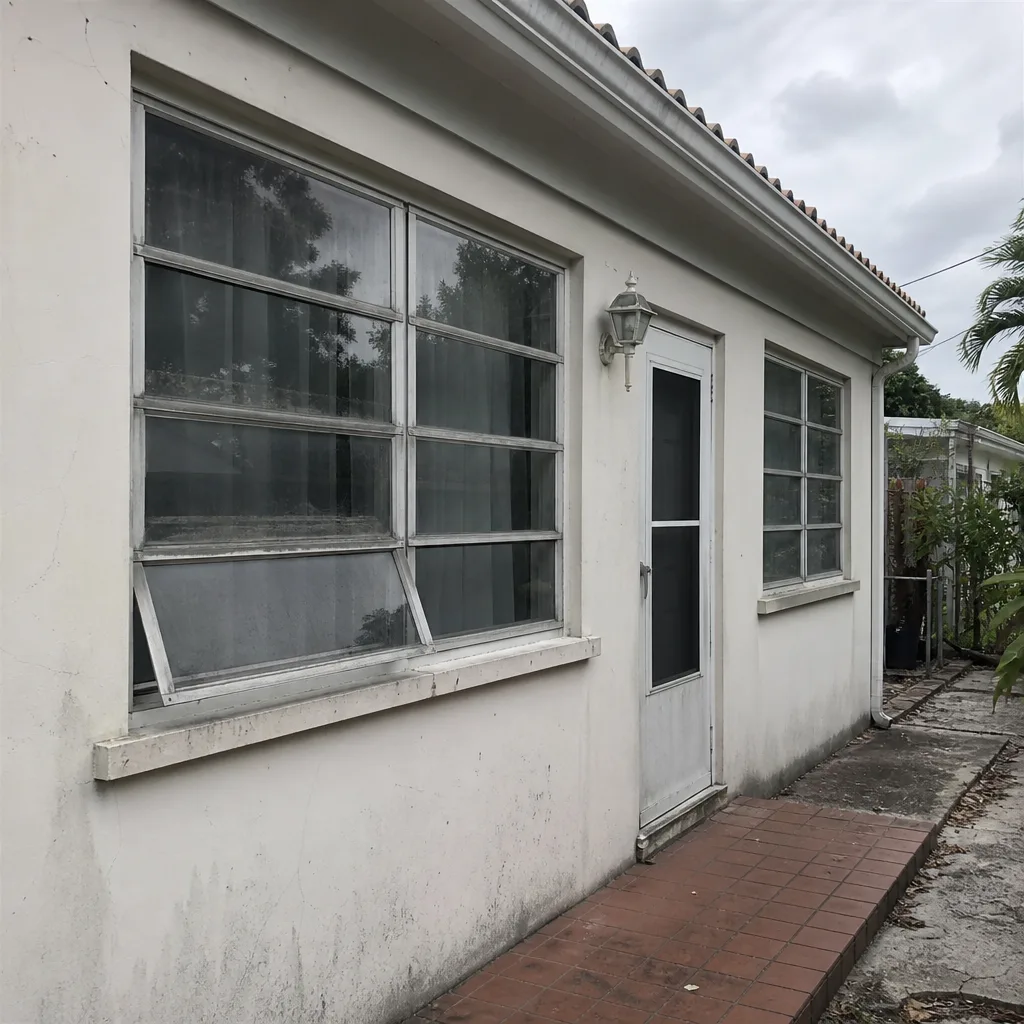 Before
 After
AfterImpact Windows Maintenance Checklist for Miami Springs Homeowners
Here’s the uncomfortable truth most Miami Springs homeowners learn too late: impact windows are not maintenance-free. They’re low-maintenance, sure, but they fail quietly. A hairline crack in the inner laminate layer of a PGT or CGI panel is invisible to the naked eye, yet it can reduce that window’s protection to near zero in a Category 2 storm. And it almost always starts with one missed cleaning step. This guide will walk you through the exact maintenance routine that protects both your family and your warranty, because in Miami Springs, the question isn’t if a storm will test your windows. It’s when.
Quick Answer
The core impact window maintenance checklist for Miami Springs homeowners comes down to six things: clean glass and frames quarterly with non-ammonia, non-abrasive products, inspect silicone glazing beads for gaps or shrinkage every six months, clear weep holes on the bottom rail at least twice a year, lubricate multi-point locking hardware bi-annually, document every maintenance task in a logbook for warranty protection, and schedule a professional inspection after any storm with winds over 75 mph. Most warranty denials we see come from seal failure or frame damage that a 20-minute quarterly inspection would have caught early.
Table of Contents
- The Right Way to Clean Impact Glass Without Voiding Your Warranty
- The Silicone Glazing Bead: The Most Overlooked Failure Point
- Weep Holes and Why Clogged Ones Cause Frame Rot
- Bi-Annual Hardware Check for Multi-Point Locks
- Maintenance Logbook: Your Warranty’s Best Friend
- Storm Season Prep for Miami Springs Homes
- Common Mistakes to Avoid
- When to Call a Professional
- Frequently Asked Questions
The Right Way to Clean Impact Glass Without Voiding Your Warranty
Most homeowners grab whatever glass cleaner is under the sink and call it a day. That’s exactly how impact window warranties die. The laminated glass itself can handle almost any commercial cleaner, but the frame seals, gaskets, and glazing beads around that glass cannot. The wrong cleaning agents break down the synthetic rubber and silicone compounds that keep water, salt air, and wind-driven debris out of your home.
Here’s what we’ve seen in Miami Springs homes over the past 15 years: ammonia-based cleaners like Windex and most blue glass sprays accelerate the breakdown of EPDM rubber gaskets and weaken the bond between the frame and the glazing bead. Abrasive powders and scrub pads scratch the glass surface and, worse, micro-abrade the frame material, creating thousands of tiny channels where moisture gets in and corrosion starts. Citrus-based degreasers, popular for hurricane shutter tracks, are too aggressive for impact window seals. And pressure washers? Never point one at an impact window frame. The force drives water past gaskets that are designed to repel rain at wind speed, not a concentrated 2,500 PSI stream at three inches.
What should you use instead? Warm water with a few drops of mild dish soap does 95% of the job. For stubborn salt buildup or hard water spots from Miami Springs irrigation systems, mix one part white vinegar to four parts water and apply with a microfiber cloth. Rinse with clean water and dry the frame thoroughly, especially the bottom rail where weep holes live. If you need a commercial product, look for one labeled ammonia-free and non-abrasive, and test it on a corner of the frame before going wide.
The cleaning schedule that works for Miami Springs weather looks like this:
- Every 3 months: Full glass and frame wash with soap and water, including the top of the bottom rail where dirt accumulates
- Every month during May through October: Quick rinse of exterior frames to remove salt residue and windblown debris from afternoon thunderstorms
- After any heavy storm: Wipe down frames and check weep holes for sand and leaf debris
- Never: Abrasive pads, bleach, ammonia-based cleaners, citrus degreasers, or pressure washers on frames or seals
If you’re not sure whether a product is safe for PGT or CGI frames, call us. We’d rather answer a cleaning question than file a warranty claim that gets denied because the seal compound was chemically compromised. A quick call to Winslow Windows & Doors home beats replacing a $900 panel because of a $4 bottle of cleaner.
The Silicone Glazing Bead: The Most Overlooked Failure Point
Every impact window has a thin silicone glazing bead, a continuous seal that runs between the glass edge and the frame. It’s the most important component most homeowners have never heard of. In Miami Springs, where the air carries salt from Biscayne Bay and the humidity rarely drops below 60%, this bead works harder than anywhere in Florida except the immediate coastline. It’s also the first thing to fail.
What does failure look like? Not a dramatic break. It starts as shrinkage, a hairline gap of a millimeter or less between the silicone and the frame. You might notice a slight whitening of the bead edges, a chalky residue when you run a finger along the joint, or a faint whistle during windy days that wasn’t there before. Each of those is an early warning. Ignore them and the gap widens, water gets into the frame channel, and the laminated glass begins to separate from the frame at the edges. At that point, the window is no longer impact-rated, no matter what the sticker on the glass says.
Inspection takes five minutes per window and you should do it twice a year, ideally in April before hurricane season and again in October after it ends. Here’s the sequence:
- Clean the area first. Wipe the frame and glass edge with a damp cloth. Dirt masks early bead failure.
- Look at the bead under direct light. A flashlight at a shallow angle reveals shrinkage and micro-gaps you’ll miss in flat light.
- Run your fingernail gently along the bead. It should feel smooth and continuous. A chipped, cracked, or flaking bead needs attention.
- Check the corners. Silicone failure almost always starts at the corners where the bead changes direction.
- Document what you find. Photos with a date stamp go in your maintenance logbook (more on that later).
If you find a gap, don’t reach for a caulk gun. The glazing bead on an impact window is a structural component, not a cosmetic seal. Re-beading requires specific silicone compounds rated for the window manufacturer’s spec and proper tooling to achieve the correct profile. Done wrong, it voids the warranty and leaves you with a window that looks fine but won’t hold up under impact. This is a repair call, not a DIY job. It’s also exactly the kind of thing we check during a free estimate visit, which costs you nothing if you’re in Miami Springs.
Weep Holes and Why Clogged Ones Cause Frame Rot
Every impact window has small rectangular or oval openings called weep holes along the bottom rail on the exterior side. They’re tiny, usually a quarter-inch wide and barely noticeable. Their job is to drain water that gets past the exterior gasket, the condensation that forms inside the frame channel, and the salt-laden rain that Miami Springs gets year-round. When they’re clear, water flows out and the frame dries. When they’re clogged, water pools inside the frame channel and the frame begins to rot from the inside out.
Here’s the part that confuses homeowners: frame rot from clogged weep holes looks like a glass problem. The telltale sign is condensation between the panes, which most people assume means the insulated glass unit has failed. Sometimes it has, but often the real culprit is a waterlogged frame that’s holding moisture against the glass edge. You replace the glass and six months later the problem returns, because the weep holes were never cleared. We’ve seen this exact cycle in Miami Springs homes near the golf course, where fine sand kicked up by mowers and wind clogs weep holes faster than homeowners expect.
Clearing weep holes is one of the few maintenance tasks any homeowner can safely do. Use a can of compressed air with the thin straw attachment, blowing from the outside toward the inside. Follow with a gentle flush of clean water from the inside track to confirm drainage. If water doesn’t flow out, use a zip tie or soft nylon brush to dislodge the blockage, working from outside. Never use a wire, nail, or anything metal, it will scratch the weep hole channel and create a place for corrosion to take hold.
Check weep holes every time you clean your windows, so quarterly at minimum, and more often if you have landscapers working near the house or live on a street with heavy construction traffic. Add a calendar reminder for May 1. Pre-season weep hole checks are the cheapest insurance in this Seasonal Windows & Doors Care for Miami Springs: Year-Round Homeowner’s Guide.
Bi-Annual Hardware Check for Multi-Point Locks
Impact doors, including the sliding glass doors and French-style impact doors common in Miami Springs ranch homes, use multi-point locking systems that are different from standard door hardware. Instead of one latch at the handle, these systems drive three or more locking points into the frame simultaneously when you lift or turn the handle. It’s a better seal, a stronger connection, and a bigger maintenance obligation. When multi-point hardware falls out of adjustment, the door doesn’t just stick. It fails to lock at all, and you won’t know until you check.
The bi-annual sequence we recommend for every Miami Springs homeowner with impact doors takes about 15 minutes per door:
- Test every locking point. With the door open, operate the handle and watch the hooks, rollers, and deadbolts. Every point should extend and retract fully and in sync. A lagging point means the mechanism needs adjustment.
- Listen for grinding or hesitation. Multi-point mechanisms run through a gearbox and connecting rods. If the handle feels gritty or binds halfway through the throw, the gearbox is dirty or worn.
- Lubricate the locking points, not the gearbox. A dry silicone spray on the visible hooks and rollers keeps them sliding smoothly. Do not spray oil into the gearbox. Oil attracts dust and grime and gums up the works. If the gearbox itself feels rough, it needs to be serviced.
- Check the strike plates. Look at the metal plates on the frame that receive the locking points. They should be tight, aligned, and free of scoring marks. A scored plate means the door has sagged or shifted and the lock is grinding against the plate every time you close it.
- Verify the door’s weatherstripping. Multi-point locks compress the door into the frame. If the weatherstripping is flat or torn, the door won’t seal, and water intrusion at the threshold is the result.
Multi-point systems from Therma-Tru and similar manufacturers are built for decades of service, but they’re precision mechanisms. A door that scrapes or a handle that fights you is not a personality quirk. It’s a maintenance flag. The earlier you catch it, the less expensive the fix.
Maintenance Logbook: Your Warranty’s Best Friend
Here’s the part of impact window ownership almost nobody discusses, and it costs people real money every year. When a manufacturer warranty claim is filed, the manufacturer will ask for evidence of proper maintenance. Not a promise that you did it. Evidence. Dates, products used, inspection findings, and photos. If you can’t produce a maintenance log, the manufacturer can, and often does, deny the claim on the grounds of improper care. The window failed because you didn’t maintain it, they’ll say. Prove otherwise.
Your maintenance logbook doesn’t need to be fancy. A simple spiral notebook or a digital note on your phone works fine. What matters is consistency and specificity. Every entry should include the date, which windows or doors you inspected, what you did, what you found, and what products you used. If you clean the glass, note the cleaner. If you clear weep holes, note which ones were clogged. If you find a glazing bead gap, photograph it with a date stamp and store the image somewhere durable, not just in your camera roll.
Here’s the format we suggest:
- Date: April 12, 2026
- Windows/door covered: All 14 windows, front entry door, rear slider
- Tasks performed: Full glass and frame wash with mild dish soap; weep hole check and clearing with compressed air; glazing bead inspection with flashlight
- Findings: Weep hole on master bedroom window fully clogged with sand and small leaves; cleared successfully. Glazing bead on north-facing living room window shows minor shrinkage in upper left corner, no gap yet, will monitor in 3 months
- Products used: Dawn dish soap, Microfiber cloths, Falcon compressed air with straw
The habit takes ten minutes per quarter and it changes the entire relationship with your warranty. When a manufacturer asks whether you maintained your windows, you don’t have to hope. You have proof. That’s the difference between a covered repair and a $1,200 out-of-pocket replacement. If you’re ever unsure whether something you found should go in the logbook, write it down anyway. Over-documentation has never once hurt a warranty claim.
Storm Season Prep for Miami Springs Homes
Miami Springs sits on higher ground than most of Miami-Dade County, a limestone ridge that has historically kept the city above the worst of the flooding. That’s good news for foundations and bad news for complacency. Wind doesn’t care about elevation. The Atlantic hurricane season runs from June 1 through November 30, and the most active window for Miami Springs is mid-August through late October. Your impact windows should be inspected and prepped before the season starts, not when a named storm is three days out and every window company in the county is booked solid.
The pre-season checklist takes about an hour for most single-family homes. Start with the glazing bead inspection described earlier, then clear all weep holes, then test every multi-point lock on every door. After that, close every window and check the interior perimeter with the back of your hand. You’re feeling for air movement. A well-sealed impact window should hold still air, even with a fan running in the room. If you feel air passing around the frame, the weatherstripping or the bead needs attention. Finally, walk the exterior and look for any debris that could become a projectile, and trim branches overhanging the roof or within ten feet of the glass.
One note specific to Miami Springs: the city has a mature tree canopy, especially in older neighborhoods near the country club and along Canal Street. Falling limb damage is a real concern even in moderate storms. Keep trees trimmed back from windows, not just the roof. A 50 mph gust with a dead palm frond at the end of it will test any impact window, and while the glass will hold, the frame may not look pretty afterward.
For homeowners considering an upgrade before the next season, we wrote a full guide on Impact Windows in Miami Springs that covers what to look for in new construction versus retrofit, and the specific Miami-Dade County product approval requirements. The short version: not every impact window on the market meets Miami-Dade’s stricter NOA standards, and buying the wrong product line is an expensive mistake we’ve seen more than once.
Common Mistakes to Avoid
- Cleaning with ammonia-based glass products. Ammonia degrades the frame seals and gaskets that keep your laminated glass working as an impact unit. The glass may look clean, but the window is quietly losing its rating.
- Ignoring the glazing bead until you see water. By the time water is visible on the interior frame or between the panes, the bead has been compromised for months. The repair is more expensive and the warranty argument is harder.
- Skipping weep hole maintenance because “the windows still drain.” Weep holes fail silently. If one of seven holes on a large fixed window is clogged, the window still drains through the other six, right up until the clogged corner starts to rot.
- Spraying lubricant into the multi-point lock gearbox. Oil in the gearbox attracts dust and sand, which in Miami Springs means a sticky, grinding lock mechanism within a year. Dry silicone on the locking points only.
- Re-caulking a glazing bead gap with exterior silicone from the hardware store. Glazing beads on impact windows are structural and manufacturer-specific. Hardware store silicone doesn’t bond to the frame the same way and won’t hold under impact conditions. This fix fails and can void the warranty.
- Throwing away maintenance records when you move or renovate. The warranty runs with the property in most cases, but the new owner needs your records to file a claim. Pass the logbook along with the keys.
- Assuming your window sticker from 2012 still reflects current code. Codes change. The current Florida Building Code has stricter requirements than a decade ago, and if you’re considering Window Replacement in Miami Springs, the product you bought in 2012 may not meet today’s standards for new installation.
When to Call a Professional
Most of this maintenance is DIY-friendly and takes minutes per window. But some findings require a professional, and the sooner you call, the cheaper the fix. If you find a glazing bead gap longer than one inch, visible frame warping, a multi-point lock that won’t fully engage, condensation between lamination layers, or any window that rattles when closed and locked, don’t try to patch it. Impact windows are certified systems, and every component works together. A partial fix on one component can mask a problem on another. If you’re in Miami Springs and unsure whether something is a real issue or a cosmetic one, call us. We’ll tell you honestly what you’re looking at. Winslow Windows & Doors offers free estimates in Miami Springs, call (239) 310-4121. If you’re comparing proposals from other companies, we’ll give you a free second opinion on any written estimate, no obligation and no hard feelings if you go elsewhere.
Frequently Asked Questions
Clean the glass and frames every three months, and rinse the exterior frames monthly during hurricane season from May through October. Salt air, sand from landscaping, and windblown debris accumulate faster during the storm months. The goal isn’t spotless glass; it’s keeping seal-degrading contaminants off the frames and gaskets.
Windex and similar ammonia-based glass cleaners accelerate the breakdown of the rubber gaskets and silicone seals around your impact glass. Use warm water with mild dish soap, or a white vinegar and water solution for hard water spots. If you prefer a commercial product, make sure it’s labeled ammonia-free and non-abrasive.
Condensation between the panes means moisture has gotten inside the insulated glass unit, and the cause is usually not the glass itself. In Miami Springs, the most common cause is clogged weep holes holding water in the frame channel against the glass edge, or a failed glazing bead allowing water into the frame. Both need repair before replacing the glass, or the problem will return.
Check the product approval label, usually etched or affixed in the corner of the glass or on the frame. It lists the product approval number and the code standard it was tested to. If your windows were installed before the current Florida Building Code took effect, they may not meet today’s requirements for new installation. If you’re planning a Window Installation in Miami Springs project, this matters for permitting and insurance documentation.
Not directly, but your warranty almost certainly does. Insurance companies expect impact windows to function as designed, and if a claim for storm damage is filed and the window failed because of neglected maintenance, the insurance adjuster will look at frame rot, seal failure, and missing weep hole caps as signs of neglect. Your maintenance logbook protects you in both conversations.
Most window companies in Miami Springs charge $75 to $150 for a professional inspection. Winslow Windows & Doors does not charge a trip fee inside our home county, and an inspection is included with any free estimate. If you’d rather do the inspection yourself, follow the sequence in this guide and see our more guides & resources, or call us at (239) 310-4121 if anything looks off. We’ll talk it through with you on the phone before anyone schedules a visit.
The Bottom Line
Impact windows are the best investment a Miami Springs homeowner can make for storm protection, energy efficiency, and resale value. But they’re only as good as the maintenance that protects them. The silent killers, bad cleaning products, ignored glazing beads, clogged weep holes, and out-of-adjustment multi-point locks, all fail gradually and expensively. The fix is a quarterly routine that takes less time than mowing the lawn: clean smart, inspect the bead, clear the weep holes, schedule the hardware check twice a year, and write everything down. Your warranty, your insurance adjuster, and your family will all benefit. And if you ever need a second set of eyes on a potential problem, Ed Winslow’s name is on the door and on every job we do. We’re the one down the road.
Written by Ed Winslow, Owner at Winslow Windows & Doors, serving Miami Springs since 2011.
Six Reasons Homeowners Choose Winslow Windows & Doors
Impact systems engineered to design pressures up to +/-100, matched to your wind zone - your openings hold when the storm arrives.
Low-E insulated impact glass from our manufacturer lines commonly cuts monthly cooling bills 20-30%.
Laminated impact glass shuts out up to 40% of outside noise - traffic, neighbors, weather.
Monitoring services run $30-90 a month. Laminated impact glass resists forced entry around the clock, with no subscription.
Florida homeowners average around 25% savings on the windstorm portion of their policy after protecting every opening - some homes qualify for more.
A full impact package upgrades curb appeal, buyer confidence and appraised value in one project.