
Free in-home measure and quote - PGT, CGI and CWS impact lines compared on your actual openings, style by style
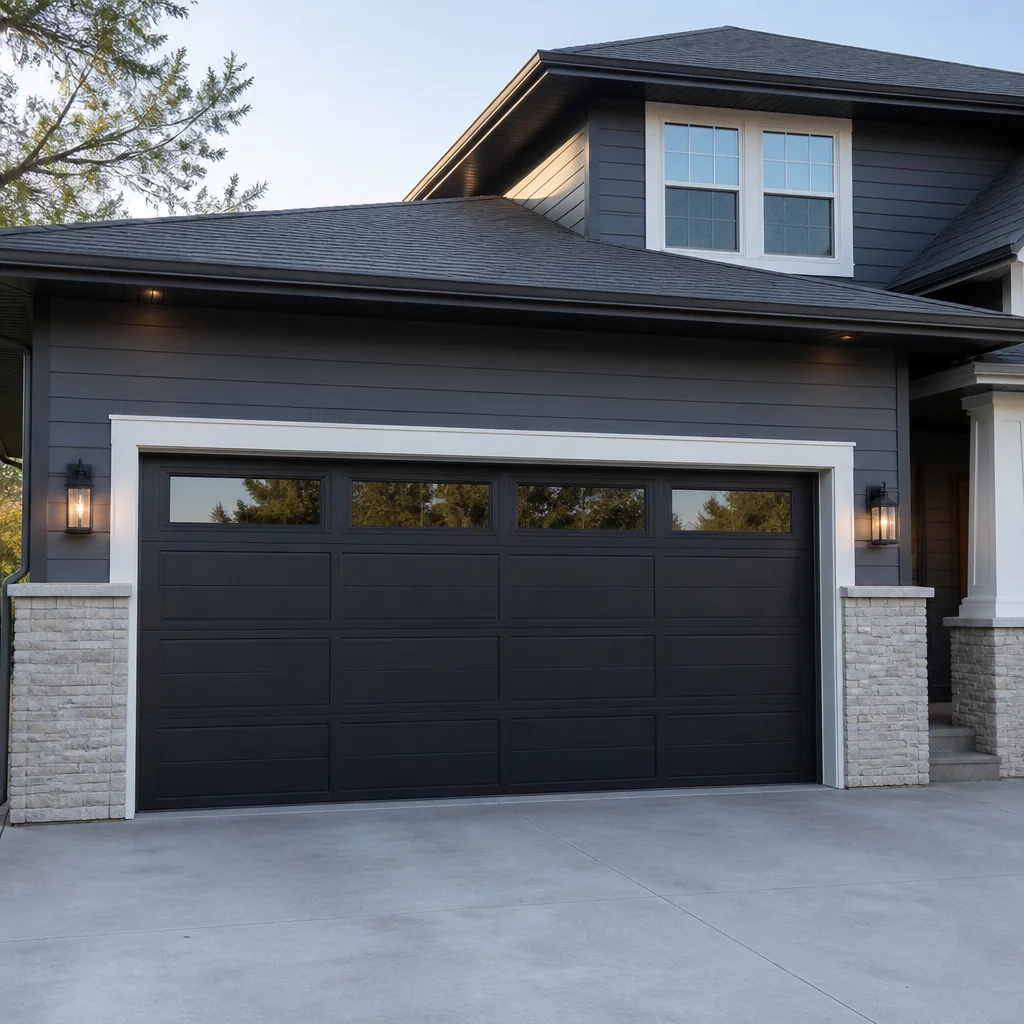
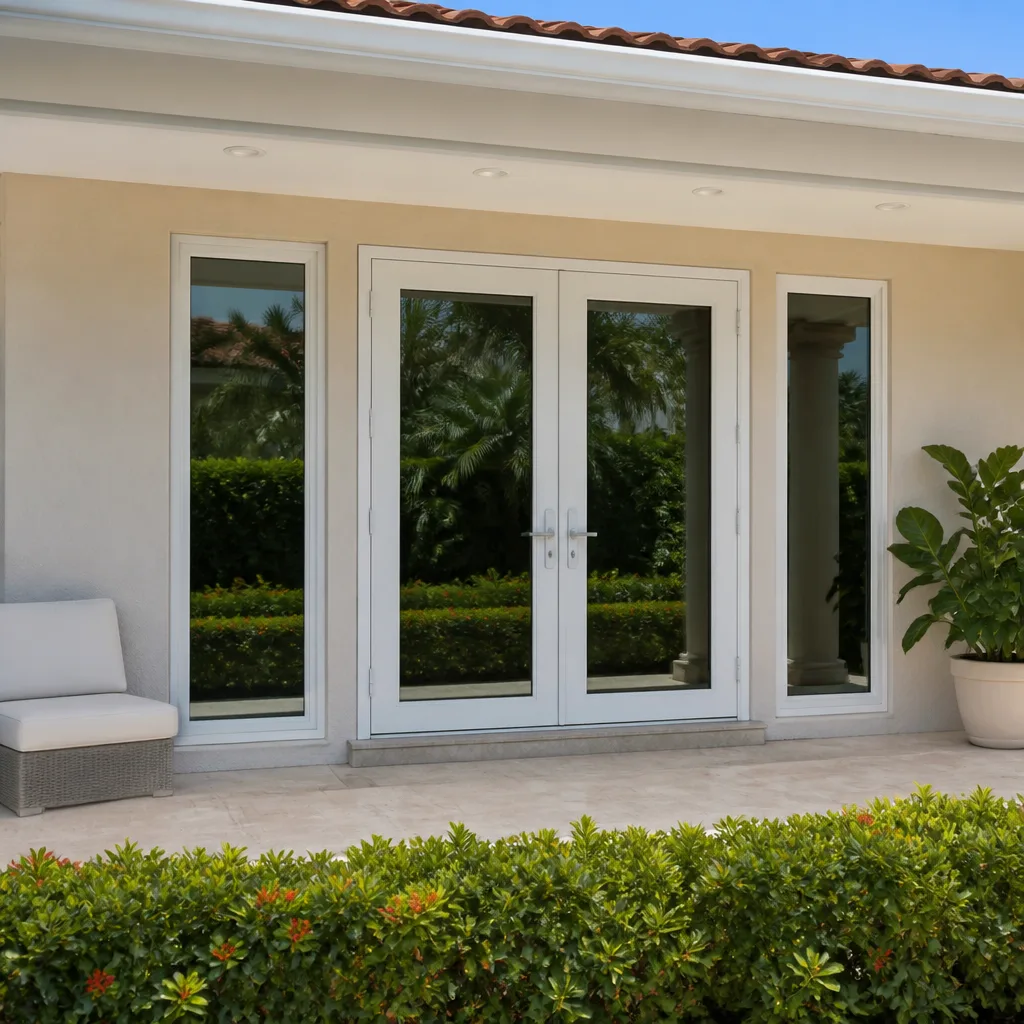
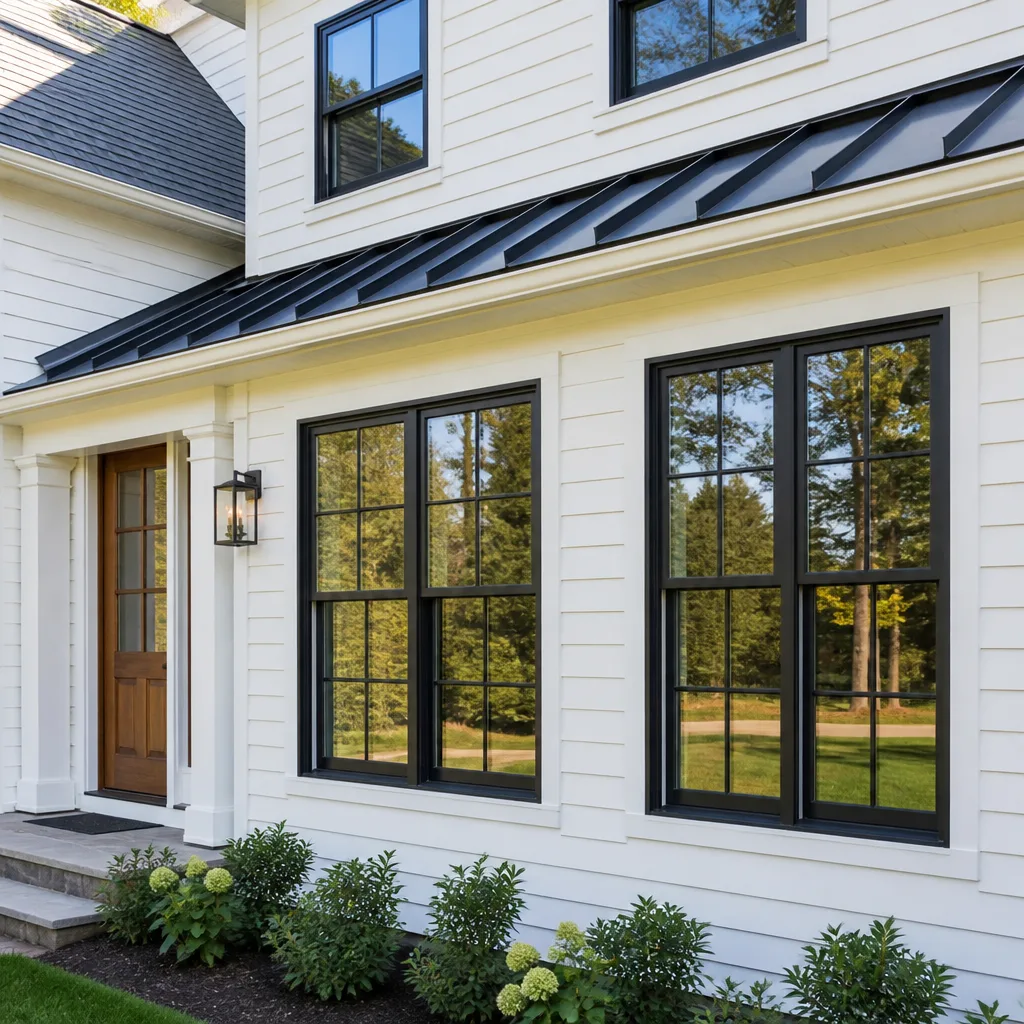
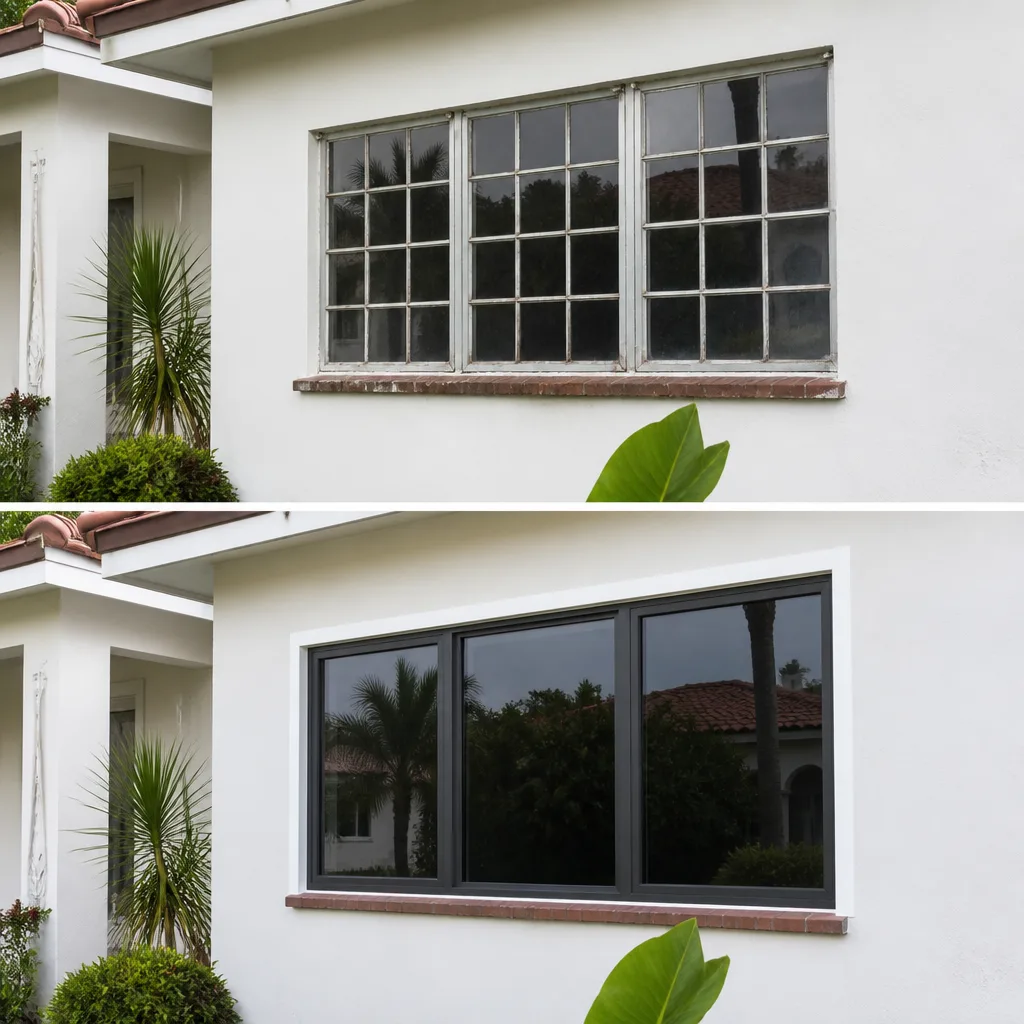
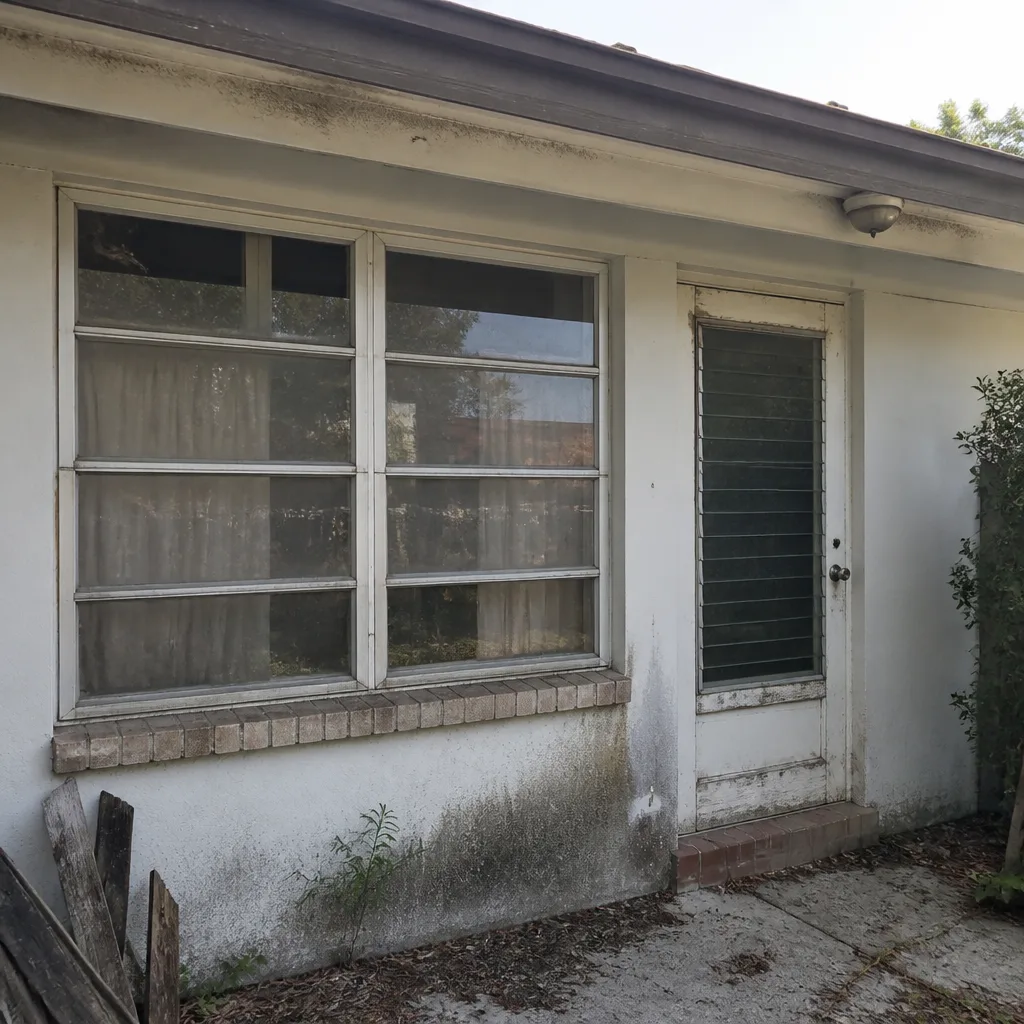 Before
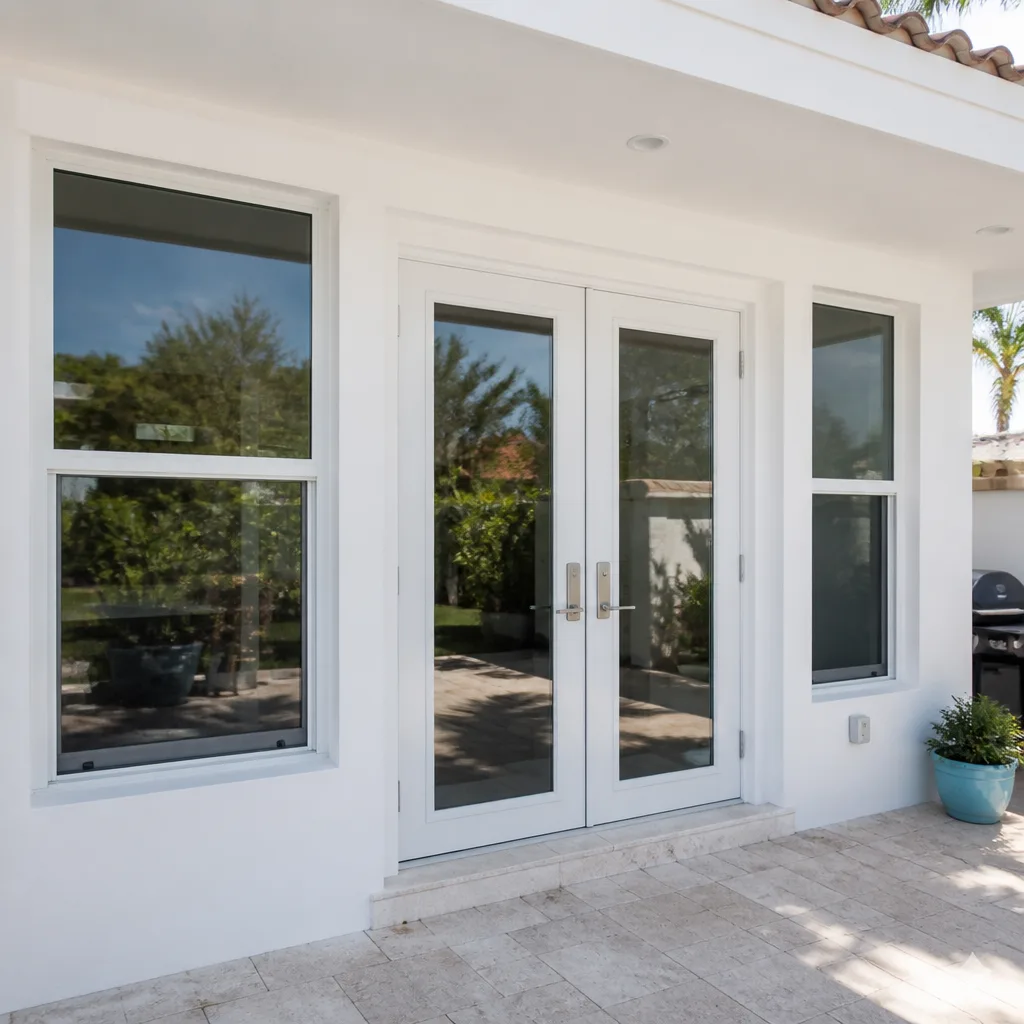 After
After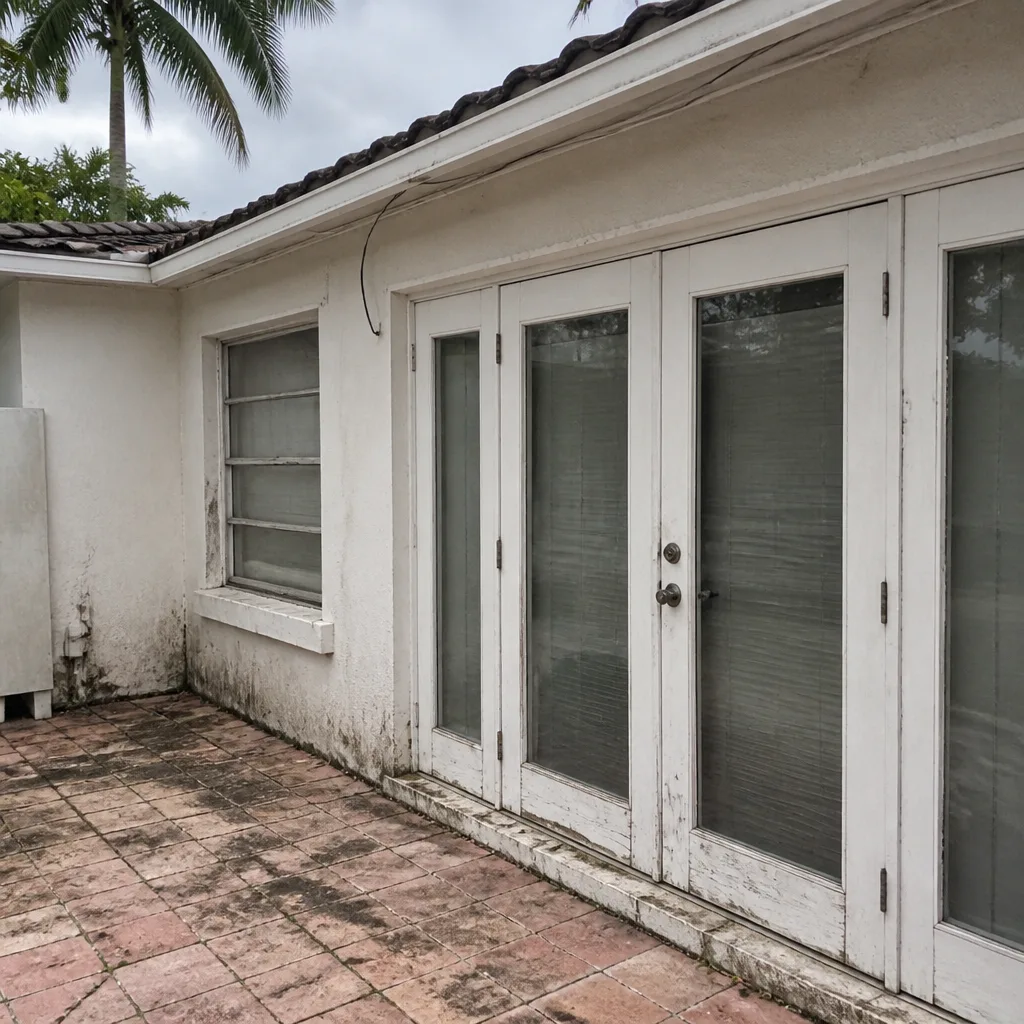 Before
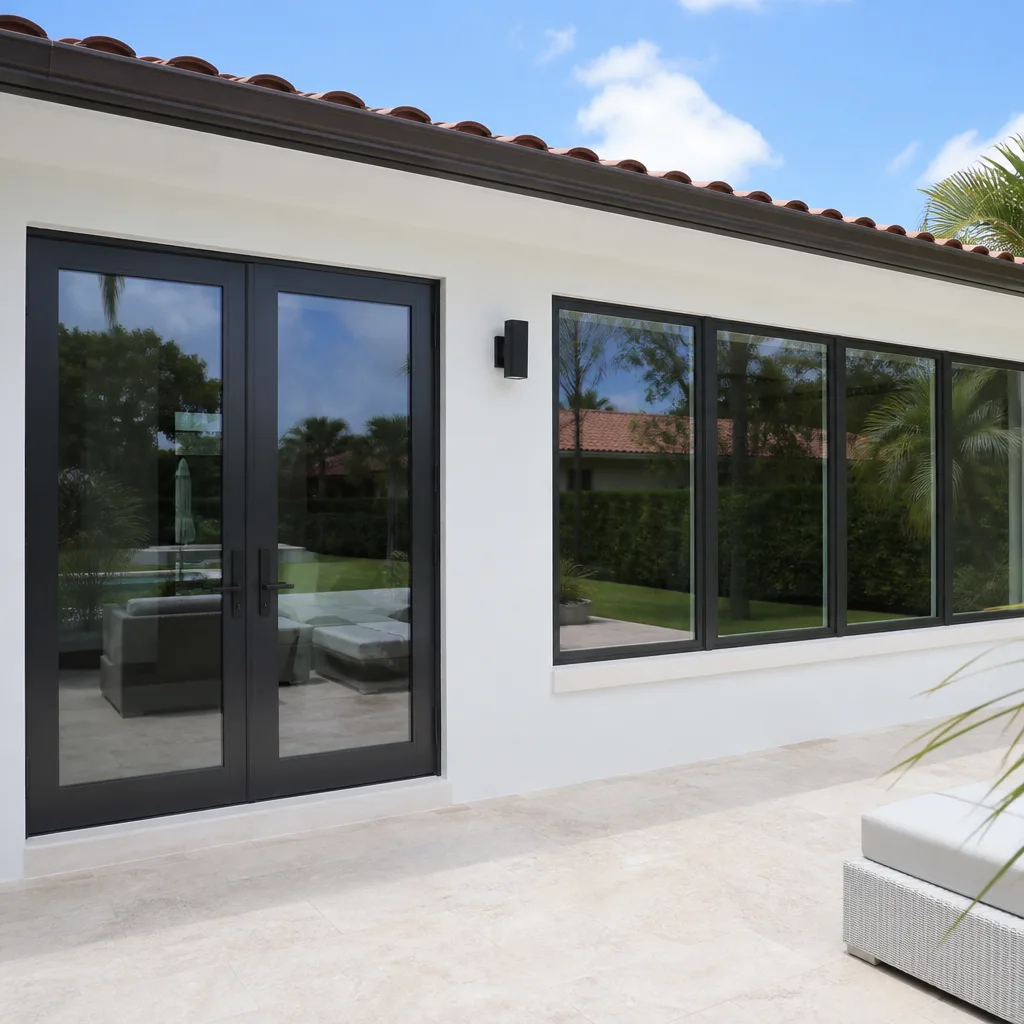 After
After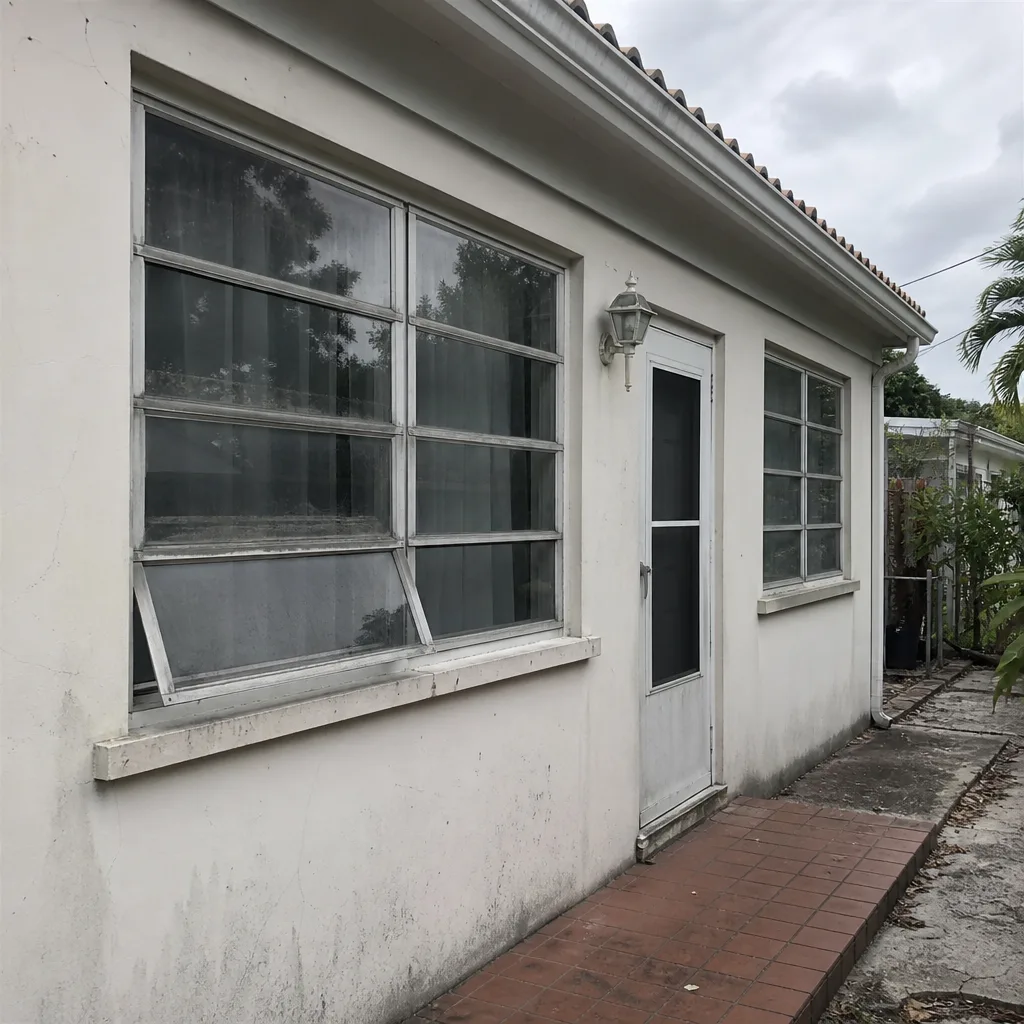 Before
 After
AfterFast, Reliable Energy-Efficient Windows Across Miami Beach
Energy-efficient window installation in Miami Beach typically runs $800 to $1,800 per window for impact-rated units, with whole-home packages starting around $8,000. In the HVHZ, your windows have to do two jobs: cut cooling costs and survive a direct hurricane hit. That changes what counts as “efficient” here. Call (239) 310-4121 and we’ll walk you through the exact products that work on this island. Ed Winslow has been putting his name on this work since 2011, and his crews know North Beach, Mid-Beach, and South Beach block by block.
Key Takeaways:
- Every replacement window in Miami Beach must carry a Miami-Dade County NOA for impact, no exceptions.
- Energy-efficient windows here mean insulated laminated glass with low-E and argon, not just any double-pane unit.
- In the Art Deco Historic District, you need HPB approval if the window profile changes at all.
- Salt-air corrosion on this barrier island shortens hardware life unless marine-grade materials are specified.
- Free in-home measure and written quote, with pricing fixed before you order anything.
Why Winslow Windows & Doors Is Miami Beach’s Preferred Energy-Efficient Windows Company
We’re the local crew that actually picks up the phone at 2 a.m. when a jalousie window finally gives out on Collins Avenue. No call center, no voicemail loop. Winslow Windows & Doors is owned by Ed Winslow, whose name is on the door and on every job, and our Energy-Efficient Windows team works Miami Beach as home turf, not a territory we parachute into. That distinction matters when your building sits between Biscayne Bay and the Atlantic and every product decision carries a compliance consequence.
Homeowners on the beach side of Miami Beach tell us the same thing: they’ve been burned by a mainland installer who didn’t understand HVHZ requirements until the permit came back rejected. We don’t have that learning curve. We know what the Miami Beach Building Department wants to see on a fenestration submittal, and we know what the Historic Preservation Board on Drexel Avenue will flag on a South Beach walk-up. That’s not a credential we advertise with a badge. It’s just what comes from doing this work here.
Our Energy-Efficient Windows Services in Miami Beach
Low-E & Argon Gas Glass
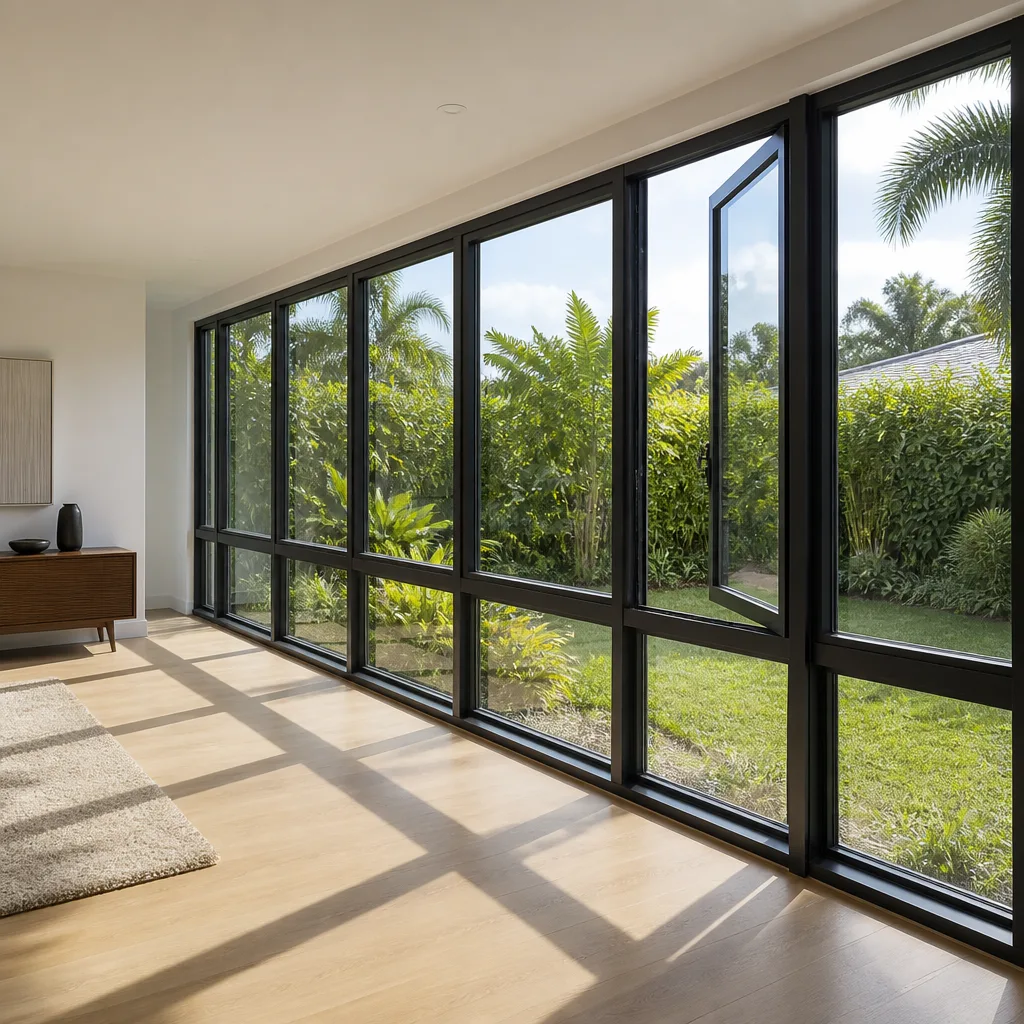
Low-E coatings and argon-filled airspaces do the heavy lifting on Miami Beach’s cooling bills. A low-E double-pane unit drops solar heat gain through the glass by roughly 30 to 50 percent compared to clear single pane, and when you pair it with argon gas fill, the insulating value climbs further. For Miami Beach specifically, we spec low-E on the interior-facing surface of the laminate and position the coating to reject the Atlantic sun that hammers east-facing units from sunrise to noon. This matters more here than on the mainland because the island’s narrow profile means buildings get salt-laden sun exposure from both water sides.
ENERGY STAR Replacement Windows
ENERGY STAR certification for South Florida means the window meets the Southern climate zone criteria, not the Northern zone spec a box store might sell you by mistake. You’d be surprised how often we see that. Our Energy-Efficient Windows in Miami Beach installs center on units built and labeled for this climate, with the Miami-Dade NOA number on the same sticker. For condos along West Avenue and Alton Road, we’ll also match the original sightlines so the board approval goes through without a fight.
Insulated Laminated Glass
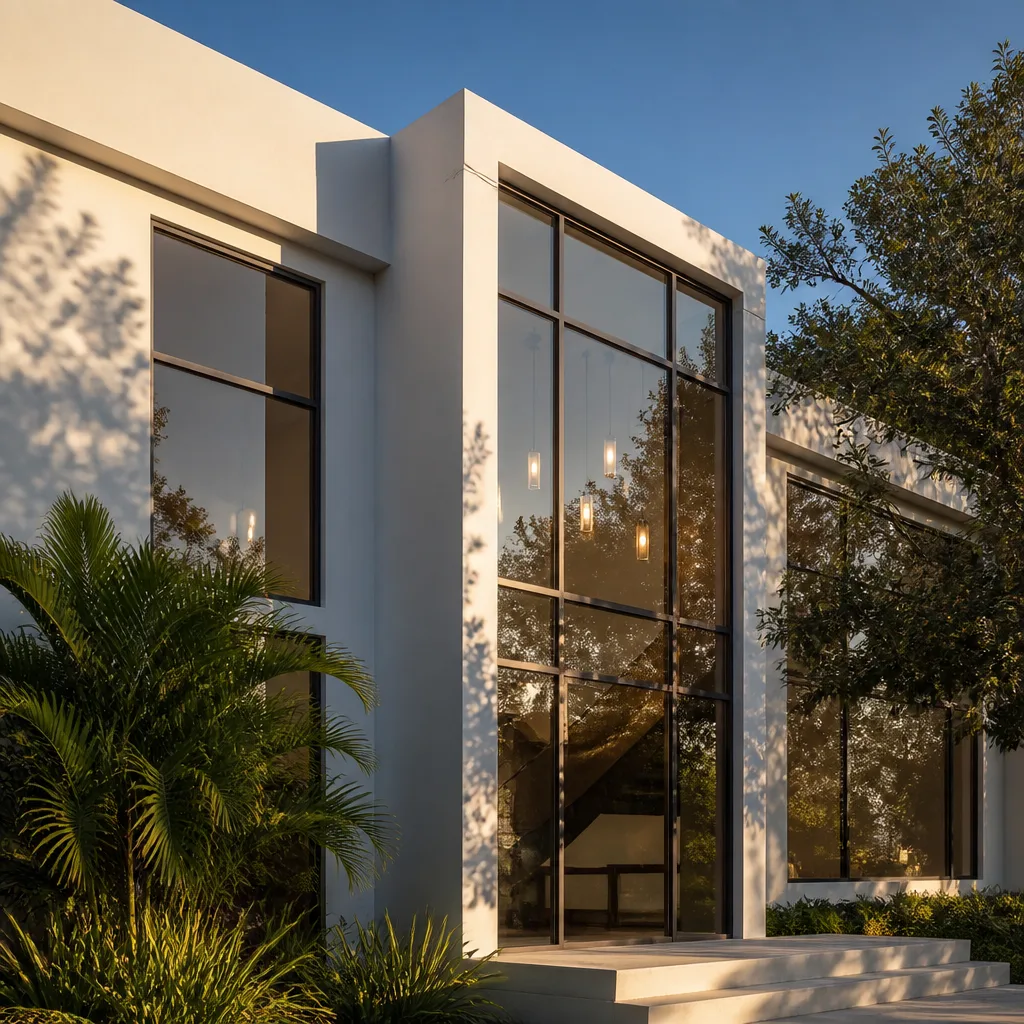
This is where Miami Beach’s energy and storm requirements merge into one product. Insulated laminated glass is two panes of glass with a low-E coating and argon between them, plus a tough interlayer bonded to the inner pane. That interlayer is what turns an energy window into an impact window. On Miami Beach, you can’t separate the two needs. FPL data suggests a typical mid-century condo with original jalousies can cut cooling costs by a third after switching to insulated laminated impact units. The interlayer also blocks 99 percent of UV, which means your sofa and artwork aren’t bleaching out under that South Florida sun.
UV-Blocking & Fade Protection
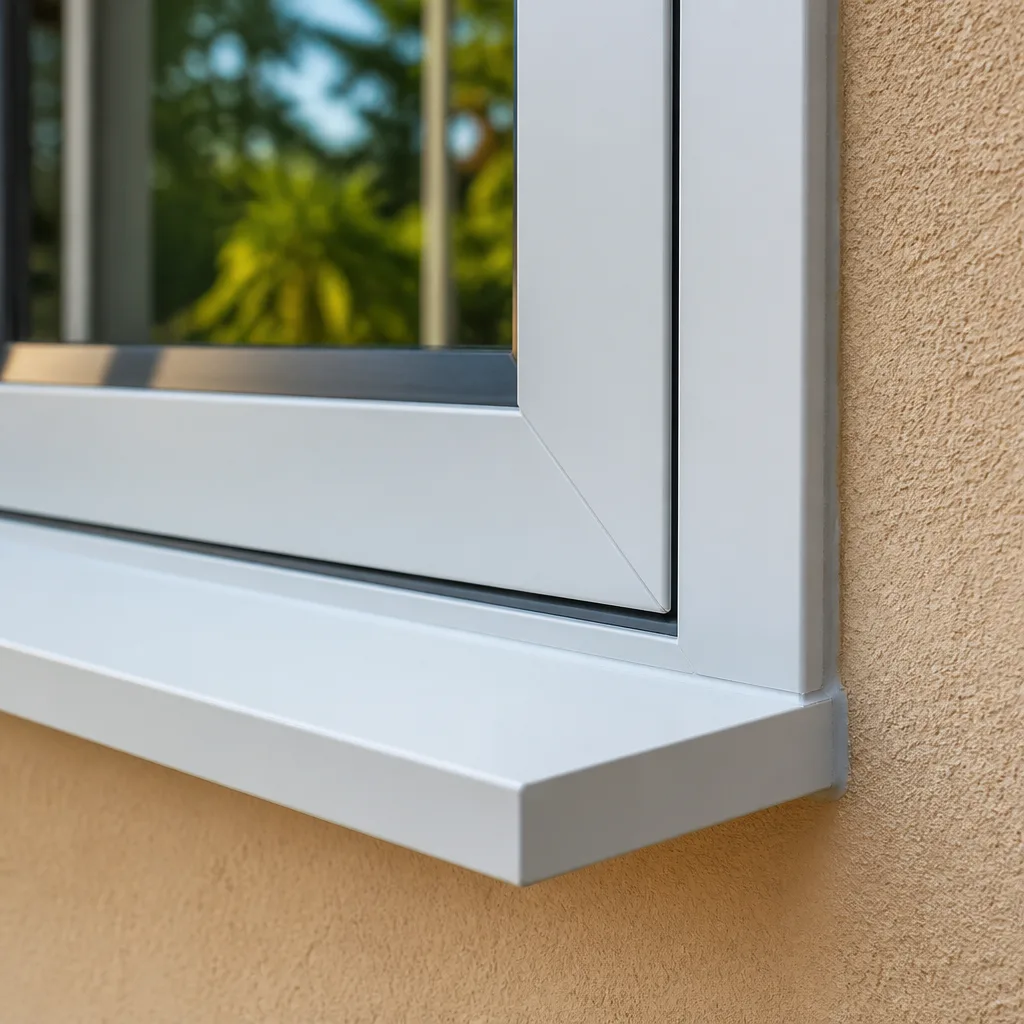
Salt air and intense UV wreck Miami Beach interiors faster than almost anywhere else in Florida. Hardwood floors fade unevenly. Upholstery turns chalky. Original Art Deco terrazzo doesn’t fade, it’s practically indestructible, but everything fabric or varnished does. UV-blocking low-E glass cuts harmful rays at the source. For oceanfront owners on Indian Creek Drive or the Venetian Islands, we also see condensation on the interior glass that comes from high humidity meeting over-cooled spaces, and a good low-E unit addresses that by keeping the interior glass surface warmer than the air it’s touching.
What happens when you call
- 1
A real person answersNo phone trees - you reach a local pro.
- 2
You get an upfront price rangeHonest numbers before anyone is dispatched.
- 3
A background-checked tech heads outLicensed & insured, dispatched right away.
- 4
You approve before work beginsNothing starts until you say go.
Trusted Brands We Service in Miami Beach
We’re authorized installers for PGT, CGI, and Therma-Tru, and on Miami Beach we lean on those three more than most. PGT WinGuard and CGI Sentinel lines both carry Miami-Dade NOAs for large-missile impact, which is the exact standard Miami Beach’s HVHZ designation requires. Therma-Tru handles the door side when a renovation pairs a new impact door with your window package. Because we stock these brands’ glass packages for South Florida regularly, Miami Beach customers don’t wait on a distributor in Georgia when a sash needs re-glazing. You call, we bring the right product the first trip, and Ed’s name is on the workmanship whether it’s one opening or forty.
Common Energy-Efficient Windows Problems We See in Miami Beach Homes
- Salt-air corrosion on aluminum frames: Everything on this island rusts faster. Standard aluminum window frames start pitting within a few years, especially on the bay side where Biscayne Bay’s brackish water mixes with ocean air. We spec marine-grade finishes on every frame we order for Miami Beach, which sounds like a detail until your sash won’t close on a July afternoon.
- Fogged insulated glass from spacer failure: High humidity forces moisture between panes when the edge seal fails, and it happens within a season or two on cheap insulated units. Once the glass is fogged, the window’s R-value tanks. In Miami Beach’s humidity, you can’t nurse a failing spacer along; it gets replaced or it gets worse.
- Original jalousie windows in mid-century buildings: The 1950s and 1960s apartment stock on Miami Beach is loaded with louvered glass that seals nothing. No hurricane protection, no thermal break, no sound attenuation. Plus, condensation from AC meeting louvered venting leaves sills perpetually wet, which is why so many original jalousie frames have paint failure and rust.
- Non-NOA energy windows in the wrong building: We get called after the stop-work order goes up. Someone installed an off-brand “efficient” window that never had a Miami-Dade NOA, or they changed the rough opening in a historic district without HPB review. Fixing it means re-permitting through two agencies and re-buying the glass. That’s the most expensive mistake on this list, and it’s entirely avoidable by checking the NOA before anyone cuts a check.
Pricing for Energy-Efficient Windows in Miami Beach, FL
Straight numbers for Miami Beach’s market: a standard impact-rated single-hung runs $900 to $1,800 installed per window. Casements and picture windows land in the same range. Larger openings, custom shapes, or high-rise floors that need crane lifts push $2,500 to $5,000 per opening. Whole-home packages for an average Miami Beach condo or single-family typically fall between $8,000 and $25,000, and the top half of that range usually reflects historic-district compliance work: matching original Art Deco sightlines, sourcing steel-look casements that pass HPB design review, and the two-agency permitting that goes with it. You get a written line-item quote before we order anything, and that number doesn’t move unless you change the scope. No trip charge inside our home county, and we’ll give you a free second opinion on any written estimate you’re holding from another contractor.
What Energy-Efficient Windows Costs in Miami Beach
Impact windows run $800 to $1,500 per unit installed as a baseline in Miami Beach. Single-hungs are $900 to $1,800 depending on size, PGT versus CGI, and the finish spec. Custom or oversized openings, including the huge picture windows in Miami Modern buildings, go $2,500 to $5,000 each because the laminate glass gets thicker and the window often needs structural reinforcement at the header. Whole-home packages start around $8,000 for a modest condo with eight to ten openings and climb past $25,000 on luxury homes where you’re doing twenty-plus windows plus a new impact door package. What moves the price on this island specifically? Wind zone and floor height drive the design pressure rating, which changes the laminate and frame spec. A window on the 12th floor of a Collins Avenue tower needs a higher pressure rating than a ground-floor window in the Flamingo Park neighborhood, and higher pressure means higher cost. Free in-home measure, written quote, and we fix pricing in writing before we order your units.
Florida Pays You Back
Three separate programs can stack on top of each other for Miami Beach homeowners, and we walk you through the paperwork on every quote. My Safe Florida Home offers matching grants up to $10,000 for qualifying wind-mitigation upgrades on your primary residence, and impact windows are among the covered improvements. Florida exempts impact-resistant windows and doors from sales tax; that’s an automatic savings on a five-figure package. The federal 25C energy credit returns 30 percent of the product cost on qualifying ENERGY STAR units, capped at $600 per year. After installation, a wind-mitigation inspection ($75 to $150) can unlock windstorm-premium credits on your homeowners policy, often around 25 percent off the windstorm portion. We don’t guarantee any of these numbers, the programs and carriers set the final terms, but we’ll hand you the product documentation each one requires.
A Word on Impact Windows vs. Hurricane Shutters in Miami Beach
Shutters only work when you’re home to hang them, and nobody’s hanging accordion panels on the 20th floor of a Miami Beach condo while the wind picks up. Impact windows are always in place, they’re invisible from the street, and they do double duty year-round: storm protection in September, energy savings in August. On Miami Beach, where condo associations routinely ban anything that changes the building’s exterior appearance without board review, impact windows win on the approval front too. A shutter system on an Art Deco building dies in design review. A custom impact casement that matches the original steel profile gets approved.
We Also Serve Cities Near Miami Beach
Our service area covers Miami Beach and extends across the causeways to Miami, Coral Gables, Hialeah, and Miami Gardens. Same live-answer phone, same written quotes, same Miami-Dade NOA product standards whether you’re on the beach or past the airport. When Miami Beach clients move up to the mainland, they stay with us because the compliance bar we build to on this island exceeds what Broward or Miami-Dade code demands anywhere else.
Serving Miami Beach, FL - Our Local Coverage Area
We’re based in the Miami Beach area and know this community well. Use the map below to see our service coverage - if you’re nearby, we can almost certainly help.
FAQs - Energy-Efficient Windows in Miami Beach
Yes. Every window replacement in Miami Beach, no matter the neighborhood, must carry a Miami-Dade County Notice of Acceptance (NOA) for impact resistance. The entire city sits inside Florida’s High-Velocity Hurricane Zone, and that’s a legal requirement, not a recommendation. A window that’s energy-efficient but not NOA-listed will fail permit review. Call (239) 310-4121 and we’ll verify any product’s NOA before you spend a dollar on it.
Yes, and it’s a specialty of ours on Miami Beach. In the historic district, the Miami Beach Historic Preservation Board must approve any change to the original fenestration profile. That means you need an NOA-listed impact product that replicates the original steel casement or divided-light look, and that’s exactly what we’ve done on 1930s buildings off Meridian Avenue and along Ocean Drive. Low-E glass, argon fill, and a custom frame that matches the original sightlines. Energy savings without losing the historic character, and without a board rejection.
Every building is different, but FPL’s own data points to cooling-use reductions of roughly 30 percent when original single-pane or jalousie windows are replaced with low-E insulated impact units. On Miami Beach, the bigger variable is how much of that reduction comes from the glass’s solar rejection versus sealing up the air leaks around original jalousie frames, which are essentially ventilated openings. The combined effect is what moves your bill. A Window Energy Audit & Ratings assessment before you buy gives us the numbers on your specific openings.
Not directly. The post-2022 Florida condo recertification laws focus on structural integrity: concrete, rebar, and life-safety issues like failing window anchors and corroded sills. But when structural repairs push a building into window replacement, which the 40-year and 50-year recertification milestones on Miami Beach frequently do, the replacement windows must meet current code. That means NOA-rated impact units with low-E glass, which are energy-efficient by default. Many older condos along Collins and Harding Avenues are hitting recertification right now, and the board is usually the one calling us about the window package.
Because high floor, salt exposure, and wind-driven rain all change what a window has to do, and an audit shows you where the heat gain is actually coming from. On a 20th-floor unit in a South Beach tower, your west-facing glass catches the setting sun for hours and the glass spec matters more than anywhere else in the building. On a bay-facing unit, the moisture load is different and condensation control becomes the priority. An audit takes the guesswork out of which openings need a higher-tier low-E coating and which ones can stay simpler. It’s a small upfront cost that prevents paying for a spec you don’t need, or under-speccing one you do.
Salt, Wind, and the Art Deco Double-Bind
Miami Beach sits entirely inside Florida’s High-Velocity Hurricane Zone, and it also contains a nationally registered Art Deco Historic District. Those two facts create a compliance problem no mainland city shares. Every energy-efficient window has to carry a Miami-Dade County NOA for impact resistance. But in the South Beach historic overlay, the window also has to preserve the original fenestration profile or the Miami Beach Historic Preservation Board won’t approve it. So the glass has to stop a 2×4 flying at 50 feet per second, and the frame has to look like it was installed in 1936. That’s the double-bind. It’s why box-store installs fail on this island: the products don’t carry the right NOA, the profiles don’t match, and the job dies in permitting. We’ve spent years getting this right.
On a 1930s Art Deco apartment building off Meridian Avenue in South Beach, we replaced failing jalousie windows with PGT WinGuard insulated laminated glass units: low-E coating and argon gas for the energy savings, large-missile rating for the storm protection, and a custom steel casement look that matched the original sightlines so the Historic Preservation Board signed off without a profile change. That’s the kind of job you can’t sub out to a crew that’s never dealt with the HPB. Ed’s name is on the door, and on every window we put in on this island.
Why Salt Air Is a Hard Spec on Miami Beach
Miami Beach is a narrow barrier island with Biscayne Bay on one side and the open Atlantic on the other, and that geography creates a corrosion load almost no mainland property experiences. Standard aluminum window frames pit and stick within a few years here. Jambs corrode. Hardware seizes. We’ve pulled windows out of bay-facing buildings on the Venetian Causeway where the sashes wouldn’t open after three seasons. The fix isn’t to replace them with the same aluminum; it’s to order marine-grade finishes and stainless hardware from day one. That’s a baseline requirement on Miami Beach, not an upgrade, and it’s one of the things we spec differently for this island than we would five miles inland in Hialeah. The energy savings on a corroded, drafty frame is zero, no matter how good the glass is.
Jalousie Windows: Miami Beach’s Original Energy Problem
The mid-century concrete-block apartments that line the streets of Miami Beach from North Shore to South Pointe are packed with original aluminum jalousie windows. Louvered glass panels that never fully seal, even when they’re closed. They leak conditioned air all year, they rattle under wind load, and they provide zero impact protection. A lot of owners assume the windows are fine because the building has stood this long. They’re not fine. They’re actively working against your AC unit every hour the thermostat reads below 78. Replacing jalousies with insulated laminated impact windows is the single best energy decision a Miami Beach condo owner can make, and every one of those replacements is a permit-and-inspect job, not a swap. We handle both agencies: Miami Beach Building for the NOA product, Historic Preservation Board for the design review when the building sits in the overlay.
Permitting in Miami Beach Is Not a Side Note
If the rough opening size or profile changes at all in the historic district, the Miami Beach Historic Preservation Board has to review and approve the alteration. That’s a second agency review on top of the Building Department’s NOA verification, and it can add weeks to a job that looks routine from the street. We see this bite homeowners who try to go cheap with a mainland contractor that doesn’t know South Beach permitting. The job gets pulled after the demo cut. Then the HPB requires a re-submittal with drawn fenestration details that match the original, and the owner pays rent on an apartment that’s now got plastic over the windows while the paperwork catches up. When you call Winslow, we start with the permit path, not the product pitch. It costs nothing to get the order right the first time.
Brands and Ratings: What We Actually Install Here
We’re authorized installers for PGT, CGI, and Therma-Tru, and we install them in Miami Beach because their product lines carry Miami-Dade NOA numbers for the configurations we actually see: impact single-hungs, casements, fixed picture windows, and the door-and-sidelight assemblies that anchor a lot of Art Deco entries. Every opening gets a design pressure rating matched to its size and floor height, never above +/-100 PSF, and we’ll show you the Florida Product Approval number for your exact configuration before we order. ViewLux rounds out our lineup for owners who want a premium architectural look without sacrificing the impact certification. The key point: the NOA number is attached to your specific window size and configuration, not just the brand name, and we verify that against the Miami Beach submittal before anything gets fabricated.
Lead Times Set the Calendar, Not Labor
On the high end of Miami Beach work, custom sizing and historic-profile matching mean your windows are fabricated to order. We can install as fast as a single day once your units arrive, and for standard-size impact windows we often have local availability that skips the longest wait, but custom fabrication runs 4 to 6 weeks, and that’s just the physics of ordering a steel-look casement with a large-missile laminate. What we don’t do is promise a date and then blame the glass plant when it slips. The price is fixed in writing before we order, the schedule is tied to the actual fabrication timeline, and we call you the moment the units hit our warehouse. If you’re holding a competing quote with a faster date, ask them how they’re sourcing the glass. A rush date on Miami Beach usually means a non-compliant product, and that’s not a bargain, it’s a re-permit waiting to happen.
Contact Winslow Windows & Doors in Miami Beach
If you’re tired of running the AC nonstop and watching the salt eat your window frames, call (239) 310-4121 and let’s talk about what your building needs. We’ll come out, measure every opening, check the NOA requirements for your exact address, and hand you a written flat-rate quote before you commit to anything. Free estimates, no trip charge inside our home county, and a permanent 10% discount for seniors and veterans. Ed’s name is on the door, and on every job we do in Miami Beach. We’re the one down the road.
Written by Ed Winslow, Owner at Winslow Windows & Doors, serving Miami Beach since 2011.
Six Reasons Homeowners Choose Winslow Windows & Doors
Impact systems engineered to design pressures up to +/-100, matched to your wind zone - your openings hold when the storm arrives.
Low-E insulated impact glass from our manufacturer lines commonly cuts monthly cooling bills 20-30%.
Laminated impact glass shuts out up to 40% of outside noise - traffic, neighbors, weather.
Monitoring services run $30-90 a month. Laminated impact glass resists forced entry around the clock, with no subscription.
Florida homeowners average around 25% savings on the windstorm portion of their policy after protecting every opening - some homes qualify for more.
A full impact package upgrades curb appeal, buyer confidence and appraised value in one project.