Free in-home measure and quote - PGT, CGI and CWS impact lines compared on your actual openings, style by style
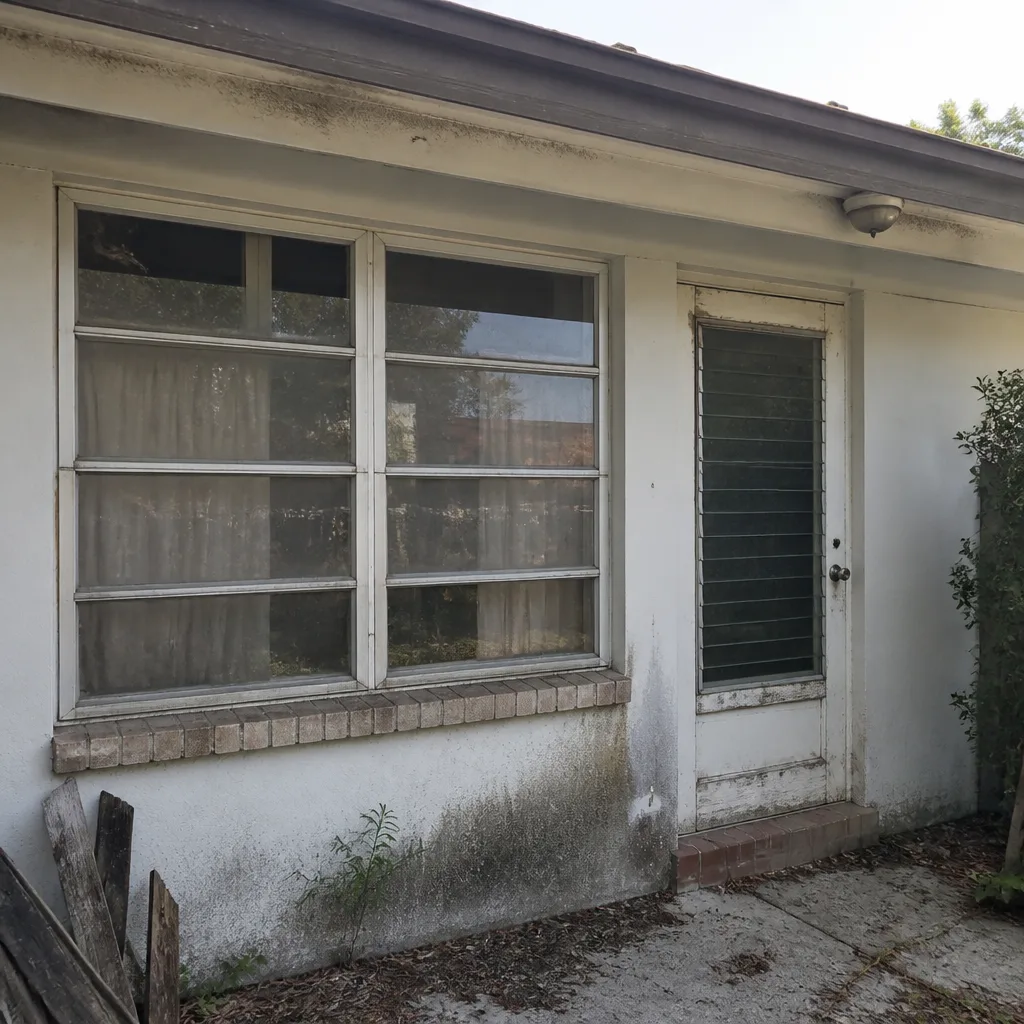 Before
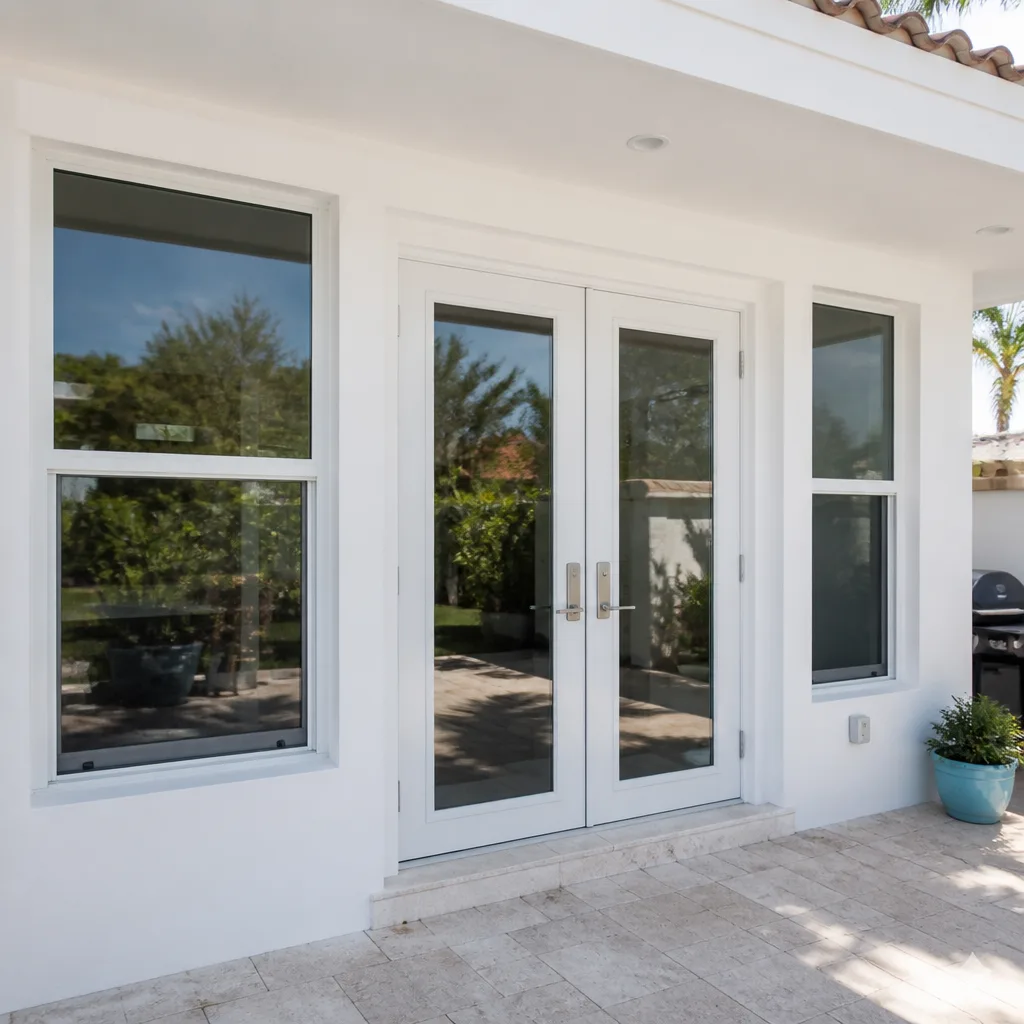 After
After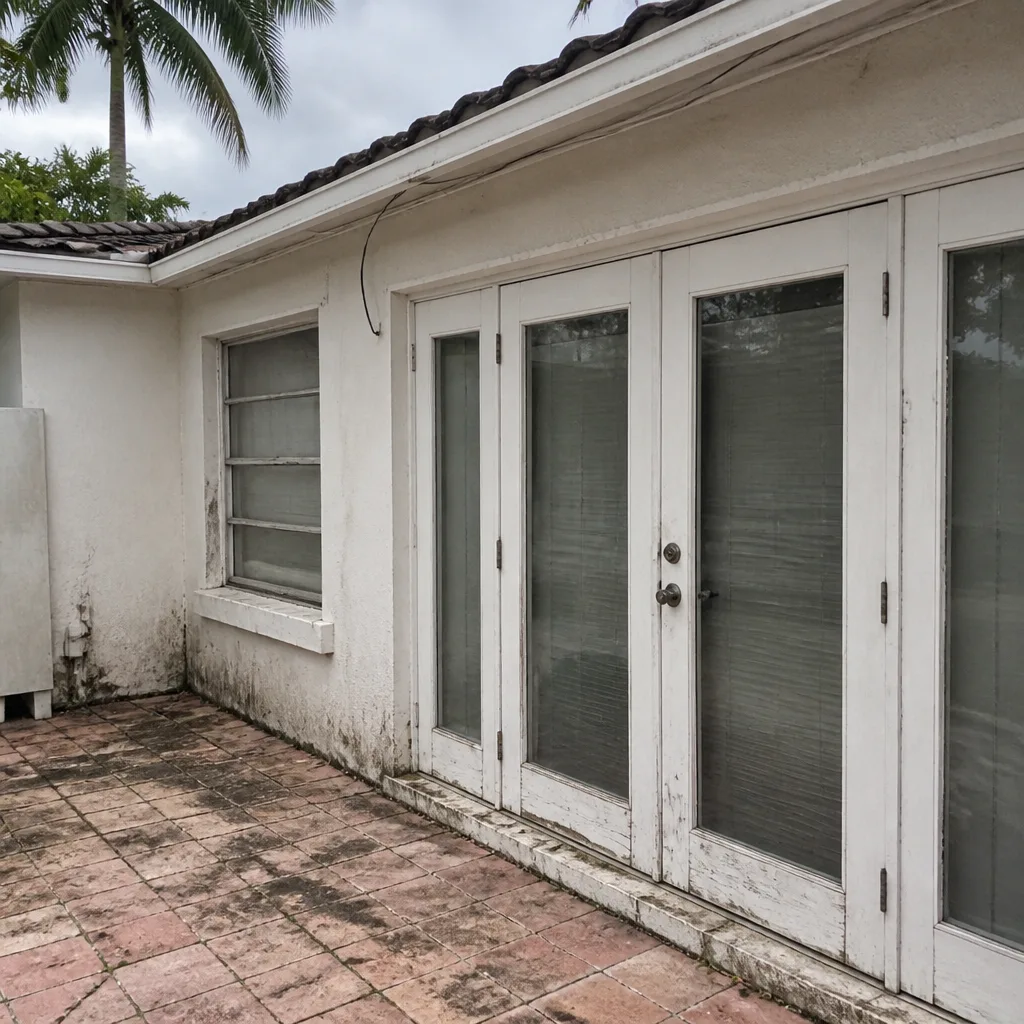 Before
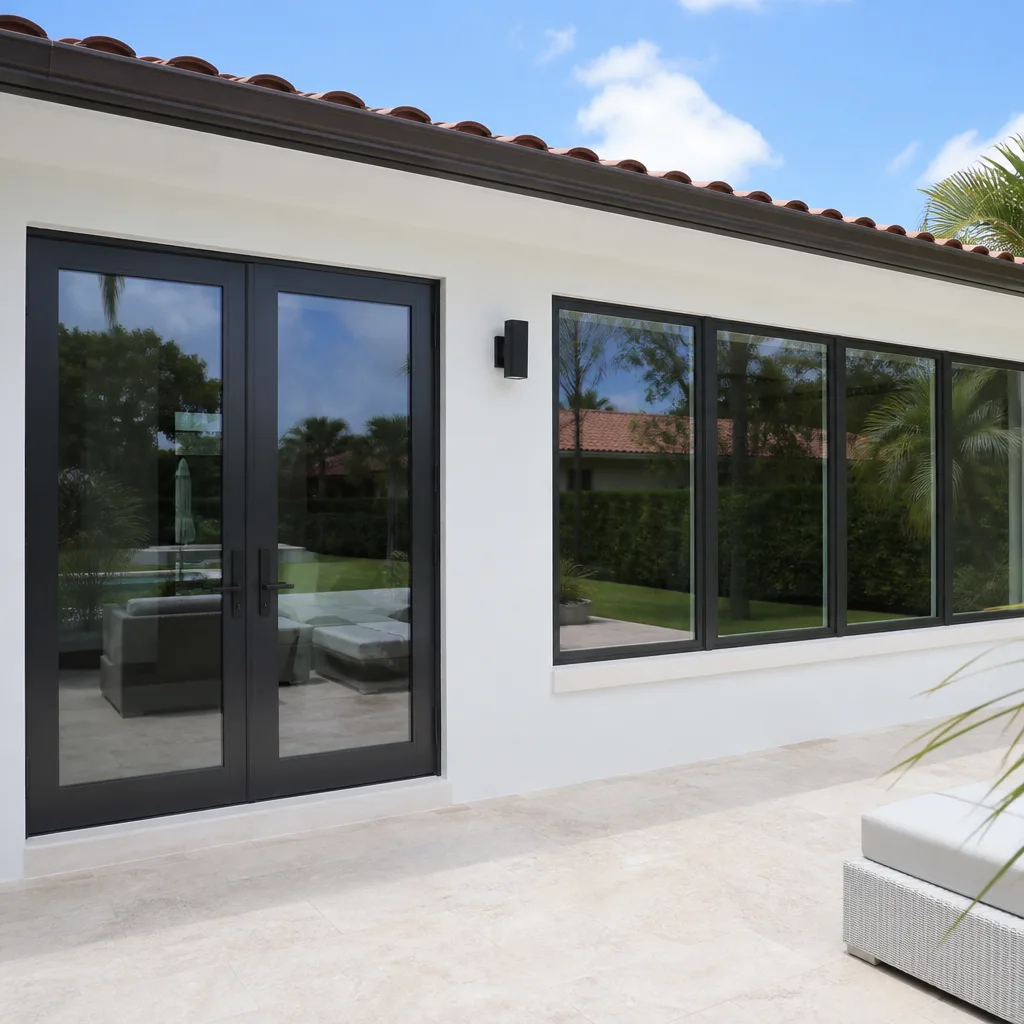 After
After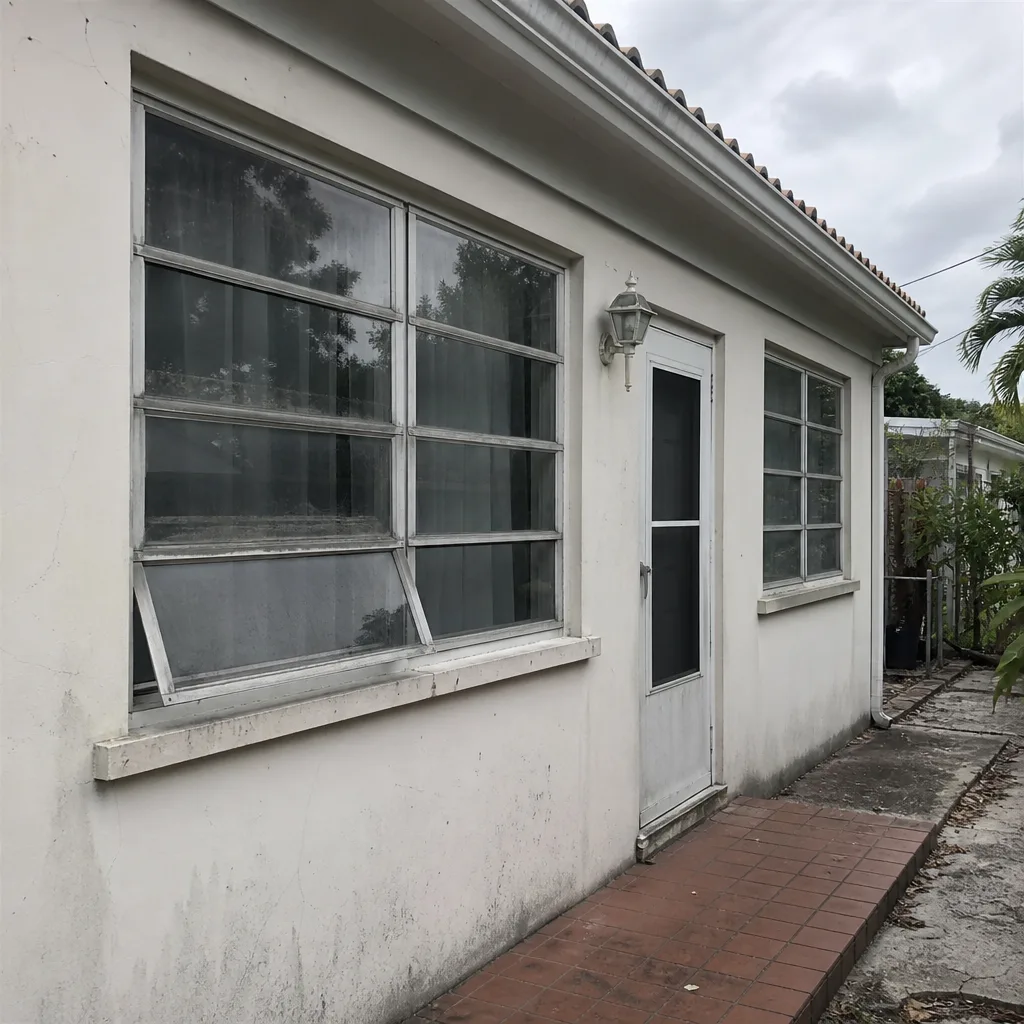 Before
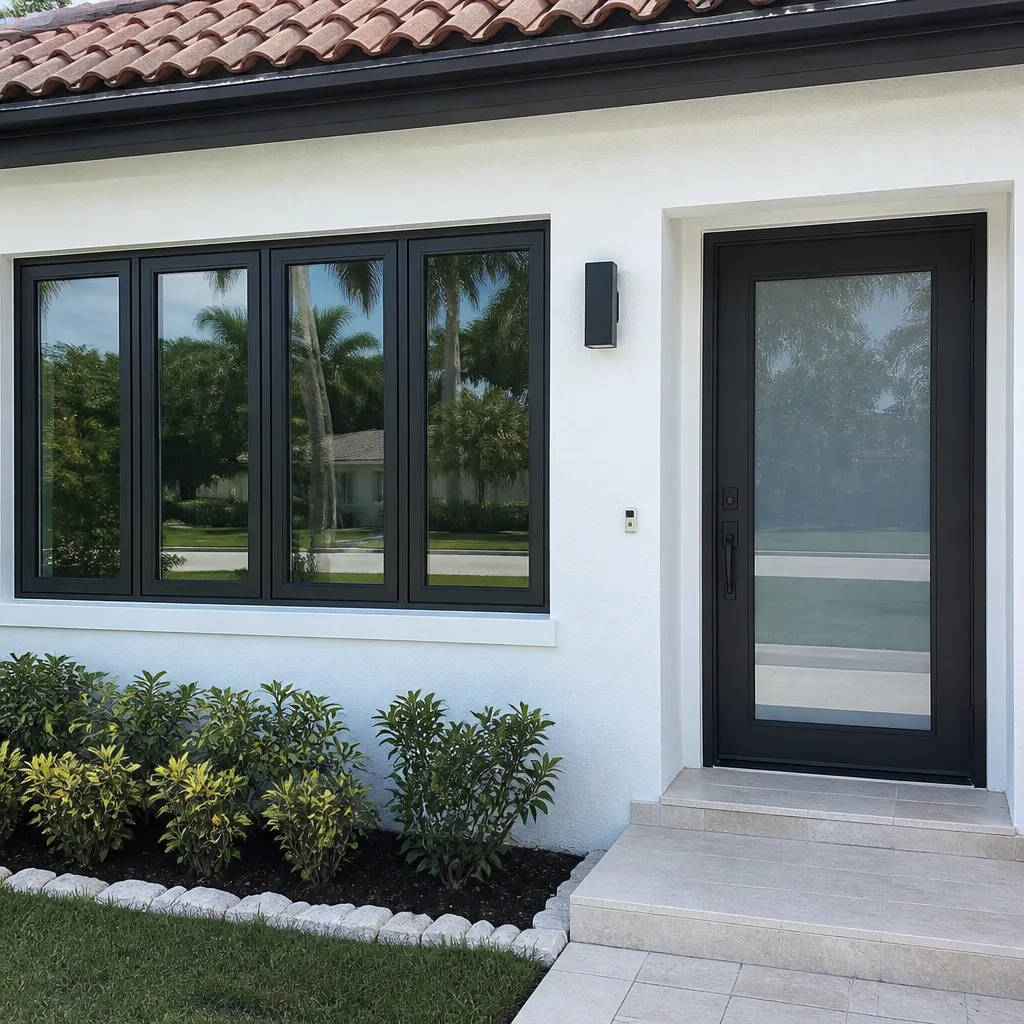 After
AfterCasement Windows in Miami Springs, FL | Winslow Windows & Doors
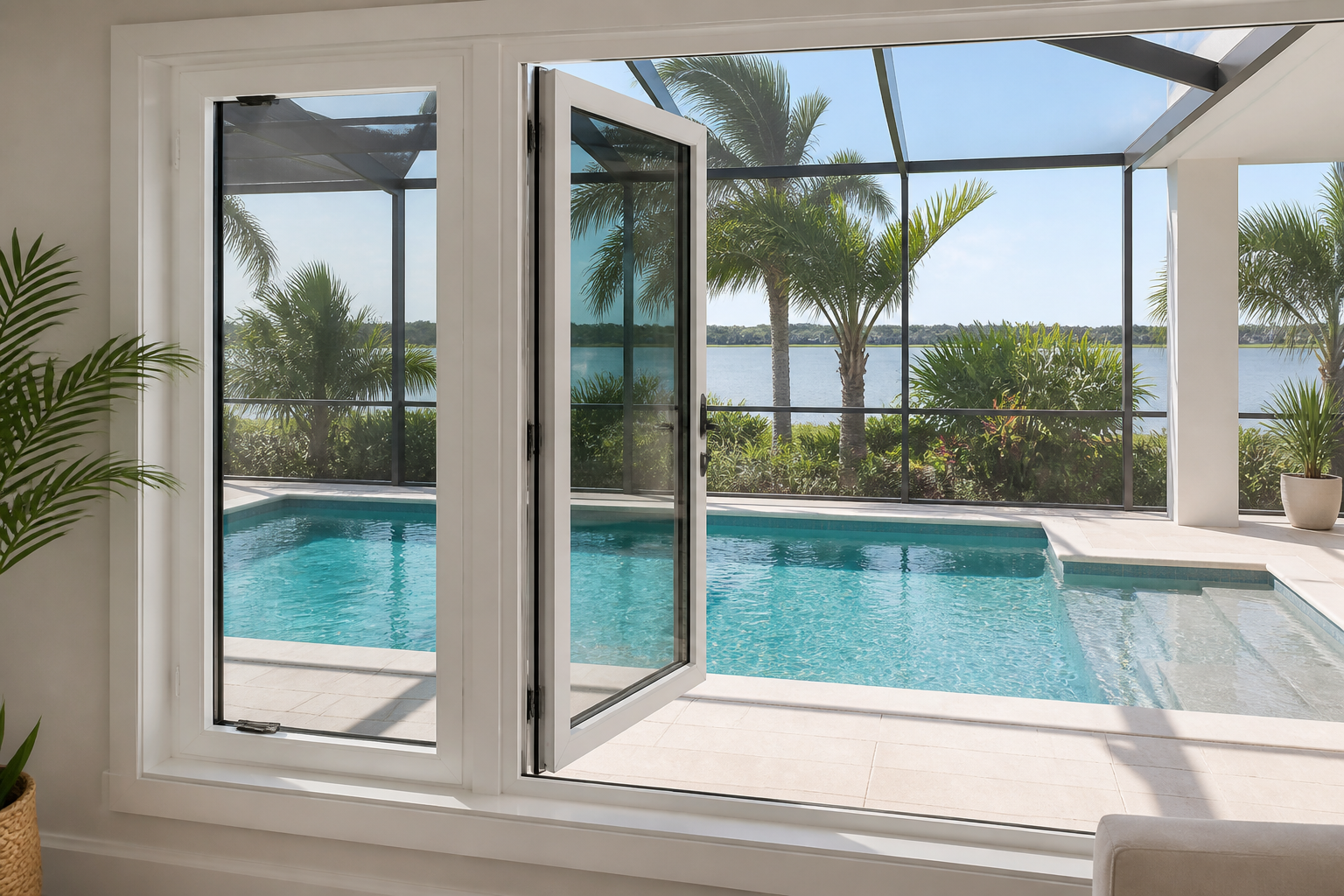
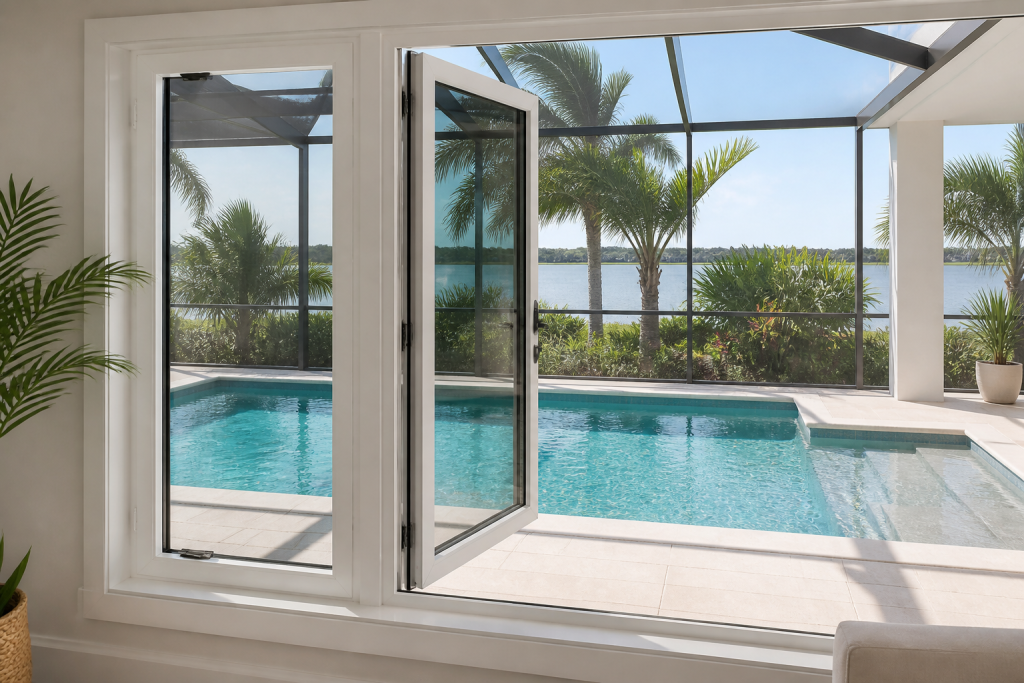
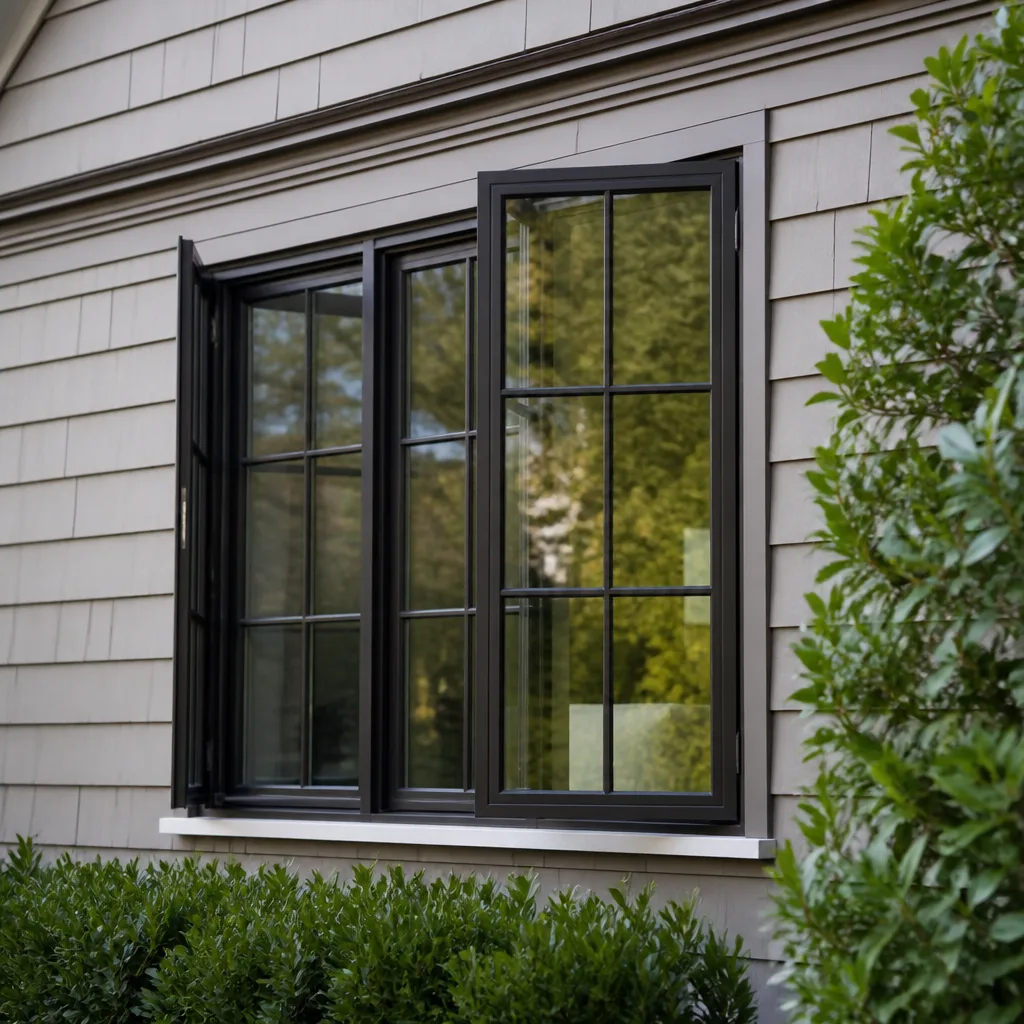
Casement windows are the side-hinged, crank-operated workhorses of Florida impact glazing. They open outward like a door, seal tight against wind-driven rain when closed, and give you the widest possible opening for cross-breeze in a Miami Springs living room or bedroom. Winslow Windows & Doors has installed impact casements across Miami Springs homes for years, and we carry them across our PGT, CGI, CWS, ES Windows, ECO, and Mr-Glass lines. That means we match the frame, glass, finish, and design pressure to your actual wind zone, not a one-size-fits-all package. If you’re researching casements for a Miami Springs replacement or new build, call (239) 310-4121 and we’ll walk you through what your home actually needs.
Product Overview - Casement Windows
A casement window is a single sash hinged on one side, opened by a crank handle that swings the sash outward. When it closes, the sash presses into a full compression seal around all four sides. That compression is the feature that matters most in Florida. Sliding windows rely on overlapping tracks and brush seals. A casement closes like a refrigerator door: the tighter the wind pressure, the harder the sash presses against its seal. That’s why Miami Springs homeowners who want airtight closure and peace of mind in the wet season keep coming back to this profile.
Structurally, these casements are built around two frame materials we install: extruded aluminum and reinforced vinyl. Aluminum gives you the thinnest sightlines and the most rigid frame, which is why you see it on waterfront and high-exposure elevations throughout Miami-Dade. Vinyl brings thermal separation and a softer look that suits mid-century Miami Springs ranches and newer Mediterranean builds alike. Both are engineered to accept laminated impact glass without the frame flexing under debris impact or cyclic wind loading.
The crank mechanism on an impact casement is heavier-duty than what you’ll find on a non-impact unit from a big-box store. The hinge hardware, the operator arm, and the locking points are all built to hold a much heavier laminated sash. That weight is the tradeoff for protection. We think it’s a fair one. You get a window that opens wider than any other operable impact profile, closes tighter than any slider, and holds up to hurricane season without a shutter.
Technical Specifications
Here’s the full spec sheet for the casement windows we order and install for Miami Springs projects. Every configuration gets matched to your wind zone, your opening size, and your finish preferences.
- Frame materials: Extruded aluminum (recommended for high-exposure elevations) or reinforced impact-grade vinyl
- Glass options: Laminated impact glass with PVB interlayer, Low-E insulated glass, tinted glass, clear glass
- Finish options: White, Almond, Bronze, Black, Tan - applied as baked-on or co-extruded finishes depending on frame material
- Screen options: Fixed screen or retractable screen, built to fit the outward swing of the sash
- Operation: Side-hinged with crank operator; multi-point locking points engage the compression seal at closing
- Sizing: Custom width and height per opening; available in single, twin (double casement), and fixed-casement combinations
- Design pressure: Matched to your Miami Springs wind zone, up to +/-100, never higher than your zone requires
- Compliance documentation: Miami-Dade NOA and Florida Product Approval numbers available per configuration, verified on your quote
Hurricane & Compliance Performance
Laminated Impact Glass
The glass package uses a PVB (polyvinyl butyral) interlayer sandwiched between panes. Under large-missile impact, that interlayer holds the glass in the frame rather than letting it shatter into the room. The outer pane may crack, but the lamination keeps the building envelope sealed. That containment is what keeps wind and water out after impact, which is the actual threat in a storm.
Miami-Dade NOA / Florida Product Approval
Every casement configuration we quote for Miami Springs carries its own Miami-Dade NOA (Notice of Acceptance) and Florida Product Approval numbers. These are issued per configuration, meaning size, frame material, glass package, and hardware all matter. We verify the exact approval numbers on your specific quote so your permit submittal goes through without a back-and-forth with the building department.
FBC / HVHZ Compliance
These casements are engineered to Florida Building Code (FBC) High-Velocity Hurricane Zone (HVHZ) requirements. HVHZ applies across Miami-Dade, including Miami Springs, and it’s the strictest wind-borne debris standard in the state. A window that isn’t HVHZ-rated isn’t legal for a permitted replacement here. Ours are.
TAS 201 / 202 / 203 Testing Context
The HVHZ rating doesn’t come from a marketing department. These products are tested under the TAS protocol family: TAS 201 for large-missile impact, TAS 202 for cyclic wind-pressure loading, and TAS 203 for forced-entry resistance. That’s the gauntlet an impact casement runs before it earns a Miami-Dade NOA. When we hand you approval documents, they’re tied to that test history.
Design Pressure for Your Wind Zone
Design pressure, or DP, is the structural rating that says how much positive and negative wind pressure the window resists. We match your casements to your specific Miami Springs wind zone, up to +/-100, and never spec higher than the zone actually requires. Over-spec’ing wastes money. Under-spec’ing fails inspection. We size it precisely.
Energy Performance Options
For Miami Springs homes that fight the afternoon sun, Low-E insulated glass and tinted glass options are available on these casements. Low-E coatings reduce solar heat gain while insulated airspace slows conduction. Tinted glass cuts glare. Combined with the compression seal, you get a window that performs thermally as well as it performs structurally.
Color & Glass Options
Miami Springs housing stock runs from 1950s ranch homes to newer Mediterranean and coastal-contemporary builds, and the right casement finish depends on the house. White and Tan read clean and bright against stucco, which is why they’re the most common choices in the neighborhood. Bronze and Black suit homes with darker trim, metal roofs, or modern facades. Almond is the quiet compromise that warms up a white-walled interior without shouting. We order all five finishes across our lines.
On the glass side, the four options serve different problems. Laminated impact glass with the PVB interlayer is the non-negotiable storm-protection base layer, offered in clear for maximum light. Add a Low-E insulated package when the room faces west or the air conditioner runs all summer. Tinted glass handles glare in rooms with big TV screens or direct afternoon sun. We’ll help you pick the glass stack per room rather than ordering one glass package for the whole house, because a south-facing bedroom and a shaded east porch are not the same room.
Installation by Winslow Windows & Doors in Miami Springs
An NOA-rated casement installed badly is not an NOA-rated window. The approval assumes the frame is anchored, shimmed, and sealed exactly as the tested assembly was built. We install every casement in Miami Springs according to AAMA 2400/2410 practice, which covers the full perimeter: anchoring, shimming, flashing, and sealing. We also use AAMA 812 low-expansion foam around the perimeter, a sealant approach that fills the rough-opening gap without bowing the new frame.
Our process starts before the demo crew arrives. We inspect the rough opening for rotted framing, termite damage, or drifted headers, common findings in older Miami Springs homes. We fix those conditions before the window goes in. The new casement gets set level, plumb, and square, with corner checks on the operable sash to confirm the compression seal engages evenly at every locking point. After trim and stucco return, we run a water test on the perimeter and confirm crank operation, locking, and seal compression before we call the job done.
Permitting in Miami Springs is an HVHZ process. Your permit application will require product approval submittals, and we prepare those documents for you, with the correct NOA numbers matched to your exact configurations. Coastal exposure and wind zone drive the engineering. Improper installation can void the approval. It’s the reason we don’t subcontract this work out, and the reason we document every step.
Frequently Asked Questions - Casement Windows
Design pressures are matched to your Miami Springs wind zone, up to +/-100, and never higher than your zone requires. The rating comes from the TAS 201/202/203 test documentation tied to your specific configuration. Call (239) 310-4121 and we’ll pull the exact design pressure for your address.
Lead time depends on frame material, glass package, and current factory schedules, but a typical Miami Springs casement order runs several weeks from signed quote to delivery. We order only after your openings are measured and your selections are locked, and we give you a straight answer on timing at quote. Call (239) 310-4121 to start the process.
Yes. As an HVHZ jurisdiction, Miami Springs requires product approval documentation with your permit application. Your casement configuration carries Miami-Dade NOA and Florida Product Approval numbers that we verify and provide with your quote and your permit packet. Call (239) 310-4121 and we’ll explain exactly what your project needs.
Casements are made to the dimensions of your opening, within structural limits for the design pressure of your wind zone. You can combine casements with fixed windows, pair them as double casements, and use them in mulled assemblies. Finish and glass are chosen per unit. Call (239) 310-4121 and we’ll size and configure your openings properly.
Keep the tracks and hinges clear of sand and debris, lubricate the crank operator and locking points annually with a dry silicone product, and check the compression seal for tears or flattening. In Miami Springs, salt air and humidity are your biggest factors, so a quick rinse of the frame keeps the finish clean over time. We’re happy to walk you through it after installation.
Get a Quote - Casement Windows in Miami Springs
If you’re replacing windows in Miami Springs, the best next step is a free on-site measurement. We’ll inspect your existing openings, check your wind zone and exposure, confirm your glass and finish selections, and give you a written quote with the correct NOA documentation included. Call (239) 310-4121 to schedule your free estimate.
Written by the team at Winslow Windows & Doors, serving Miami Springs, FL with hurricane-impact window and door installation across PGT, CGI, CWS, ES Windows, ECO, and Mr-Glass lines.
Six Reasons Homeowners Choose Winslow Windows & Doors
Impact systems engineered to design pressures up to +/-100, matched to your wind zone - your openings hold when the storm arrives.
Low-E insulated impact glass from our manufacturer lines commonly cuts monthly cooling bills 20-30%.
Laminated impact glass shuts out up to 40% of outside noise - traffic, neighbors, weather.
Monitoring services run $30-90 a month. Laminated impact glass resists forced entry around the clock, with no subscription.
Florida homeowners average around 25% savings on the windstorm portion of their policy after protecting every opening - some homes qualify for more.
A full impact package upgrades curb appeal, buyer confidence and appraised value in one project.
Other Winslow Windows & Doors Services
What Neighbors Say About Winslow Windows & Doors
Detailed Images